Brazil unveils detailed fossil fuel transition plan at UN climate summit
The roadmap offers specific tools for nations to replace coal, oil, and gas with renewable sources, addressing a gap left by previous global agreements.
By Yuki Melnyk ·
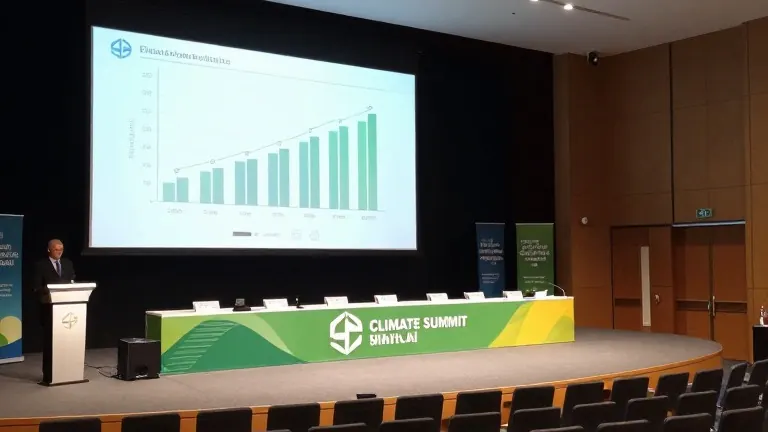
Antalya, Turkey serves as the host city for COP31, where Brazil is launching a comprehensive roadmap to guide economies away from fossil fuels. The document provides specific mechanisms for nations to shift toward wind, solar, and other renewable energies that do not release heat-trapping gases.
Ana Toni, the CEO of last year’s UN climate talks, stated that the goal is to break down the large task of transitioning away from fossil fuels into smaller, actionable solutions. She emphasized a pragmatic approach to help countries move forward with the shift.
The roadmap was created in response to a global agreement reached three years ago, which committed nations to transition away from fossil fuels without providing detailed guidance. The new document includes various levers that allow nations to choose specific tools based on their unique economic and energy profiles.
Toni noted that while some view the transition as difficult, the roadmap demonstrates that it is feasible and inevitable. She pointed out that many countries are already implementing various measures to reduce their reliance on traditional fuels.
Key components of the plan include halting the construction of new fossil fuel power plants and infrastructure to prevent stranded assets. Another foundational lever involves removing subsidies that currently make fossil fuels cheaper and more accessible.
Brazil presents the plan despite being a major fossil fuel exporter with significant oil deposits. Most of the country's internal energy consumption comes from hydropower. Toni declined to comment directly on Brazil's oil exports, stating that the roadmap is designed to be beneficial for the world, not just Brazil.
Climate Action Network praised Brazil and its president for delivering on previous agreements. Stela Herschmann, international policy lead for Observatório do Clima, said the roadmaps acknowledge different starting points while allowing all countries to begin their own path. Brazil is also presenting additional roadmaps during the talks, one concerning deforestation and another detailing $1.3 trillion in promised climate financial aid from wealthy nations to poorer ones.