FCC Chairman Plans Vote on Letting Prisons Jam Cellphone Signals
The Federal Communications Commission will vote on November 19th on rules that would let correctional facilities obtain licenses for signal jamming equipment, a move supporters say targets contraband phones and critics say carries risks.
By Yuki Melnyk ·
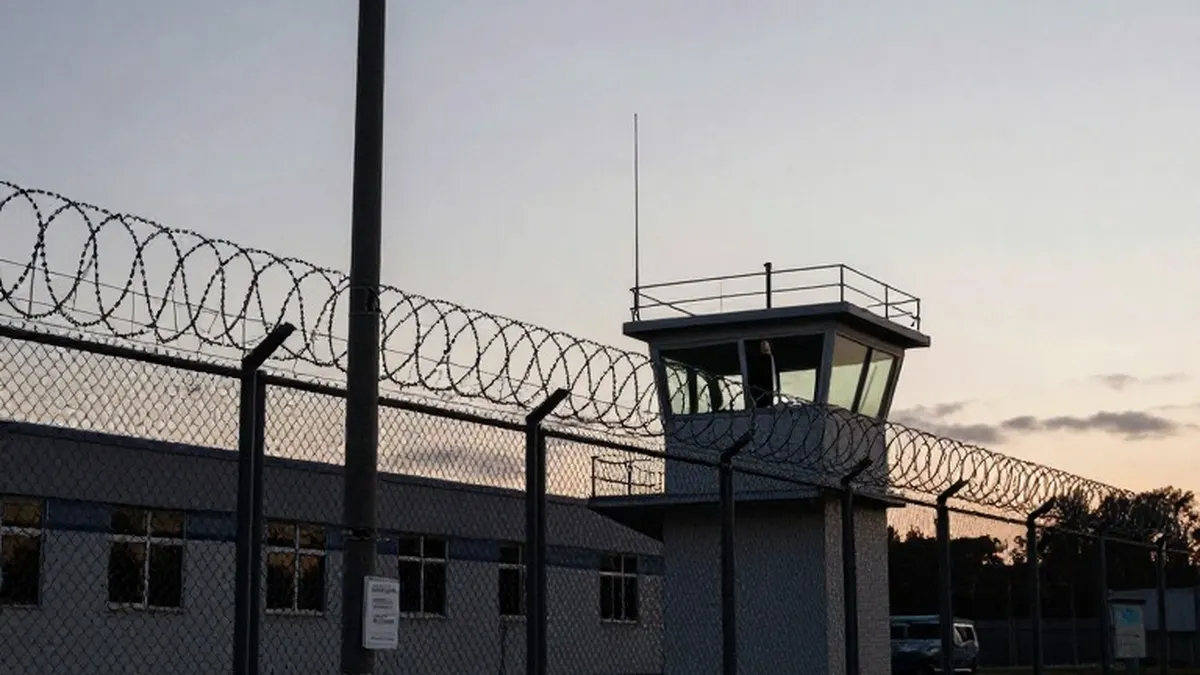
FCC Chairman Brendan Carr has announced that the agency will vote on November 19th on rules that would allow prisons to use cellphone signal jamming. The proposal would let correctional facilities obtain licenses for jamming equipment meant to block inmates from using phones.
Radiofrequency jammers are generally prohibited under Section 333 and the Communications Act of 1934, with only a few exceptions. Carr has pointed out that jammers have already been permitted at some federal facilities.
In a statement, Carr argued the technology is needed. "For years, thousands upon thousands of contraband cellphones have been pouring into prisons, and some of the worst possible offenders have been using them to order hits, coordinate violent gang activity, and aid criminal enterprises," he said.
The proposal sets out how prisons could qualify. Entities pursuing either of two licensing paths would have to meet technical standards and testing requirements. That includes initial testing under an experimental license to show that the jamming solution does not cause harmful interference outside designated geographic areas, plus testing at the specific facility after a license is granted and before operations begin.
Under the plan, jamming could take place only inside a Commission-authorized "jamming containment area" where wireless device operation is prohibited, and it must not cause harmful interference beyond that zone. Relevant carriers, FirstNet, public safety coordinators and 911 authorities would receive advance notice of on-site testing, and nearby communities would be notified before deployment.
When the FCC approved a draft proposal last year, Commissioner Anna Gomez suggested starting with a pilot program to examine effects on surrounding areas. "While the problem we are trying to address is of critical importance, I worry about the potential unintended consequences of permitting jamming by non-federal actors and permitting jamming equipment to formally enter the American market," she said.
Arkansas Attorney General Tim Griffin, who attended the event where the vote was announced, and Georgia Attorney General Chris Carr are among the law enforcement officials pushing for the change.
Some anonymous incarcerated journalists see a different motive. They argue the push is a response to their use of phones to send "uncensored reports of civil rights violations to news media in a timely enough manner to deny the creation of cover-ups." They pointed to the 2024 Department of Justice investigation into Georgia's prisons, which found "horrific and inhumane conditions" after evidence was initially transferred through contraband phones.
Congress is also weighing the issue. Carr's announcement notes legislative efforts to let correctional facilities use jamming technology, including the Cellphone Jamming Reform Act of 2025, introduced last year by Arkansas Senator Tom Cotton.
Source: The Verge
More News · National news · Report a business · Got a Story?