Burnham Pushes for Trade Deals and Security Pacts at Brussels Summit
The U.K. prime minister meets EU leaders Friday to sign agreements on food, emissions, and youth work, while keeping the door open to rejoining the bloc.
By Yuki Melnyk ·
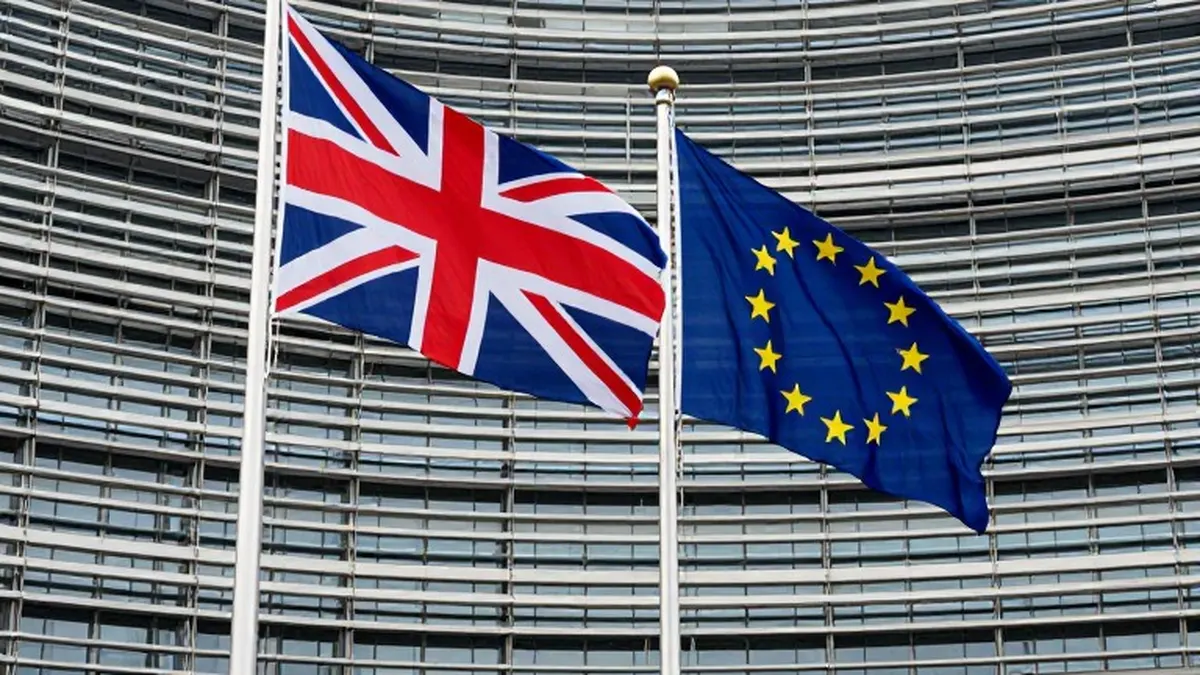
Prime Minister Andy Burnham sits down with European Union leaders in Brussels on Friday for talks designed to fix a decade of strained relations. The meeting marks the second high-level summit between the two sides since Britain left the trading bloc in 2016. Burnham aims to use the session to sign specific deals and reset the tone of cooperation between London and the continent.
Burnham has argued that the original Brexit deal failed to deliver on its promises. He told reporters this week that the process resulted in a net loss for Britain. "The Brexit we were given has not worked. We have lost more than we gained," he said. He added that all options remain open for the future, including a potential return to the 27-nation group, though he stressed that rejoining is not an immediate goal.
European Commission President Ursula von der Leyen framed the gathering as a chance for tangible outcomes. She called for a summit that delivers concrete results in three areas: better opportunities for young people, smoother agrifood trade, and tighter economic security. She wants the talks to move beyond rhetoric and produce signed documents that benefit both sides.
The two sides are expected to finalize a trade agreement for food and drink products. They will also sign a deal on emissions trading and a new framework allowing young people to work in each other's countries for limited periods. Burnham estimates these specific measures could boost the British economy by 0.4%. He views these gains as a foundation for deeper integration.
Security issues feature prominently in the agenda, driven by the ongoing war in Ukraine and the U.K.'s military capabilities. European Council President António Costa stated that the two entities' security and prosperity are closely linked. He said, "By deepening our cooperation, we can strengthen our ability to address the challenges of our time, strengthen our resilience and promote stability in Europe and beyond." The talks will also cover efforts to manage irregular migration.
Despite the diplomatic push, EU officials remain cautious about encouraging a formal U.K. return. Many in Brussels are tired of shifting policies from previous British leaders and want clear signals before proceeding. Ireland’s ambassador in London, Sonja Hyland, noted that the original vote lacked clarity. She said that if Britain wants to reopen negotiations, it must "make a clear decision as to what it wants."
Burnham’s team will spend just under an hour in private talks with Costa and von der Leyen before joining a plenary session with U.K. ministers and European commissioners. The summit concludes on Friday with a joint statement outlining the signed agreements and next steps for bilateral cooperation.