Century-Old Parade Yields to Wind as Iowa Clears Lead Blast in Calm Air
New York postponed its 100th Macy's parade due to high wind warnings, while a federal permit in Iowa allowed a lead detonation during a gentle breeze.
By Elena Greco ·
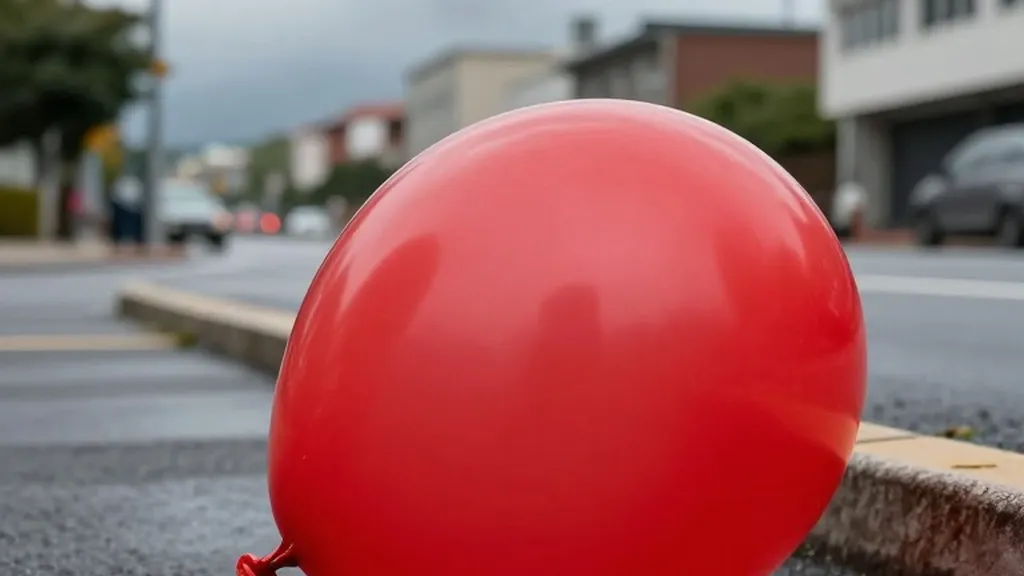
For the first time in its history, the Macy's Thanksgiving Day Parade did not take place on Thanksgiving Day. The 100th annual event in New York City was pushed to Saturday, November 28, 2026, at 8:30 a.m. Eastern. The change was driven by weather conditions that proved too volatile for the event's signature giant balloons. The National Weather Service issued a High Wind Warning for the holiday, starting at 10 a.m. This was the time when the parade would have been in full swing. Forecasters predicted maximum sustained winds in Manhattan of 28 mph, with gusts reaching 48 mph. For an event that claims to operate rain or shine, wind has emerged as the one factor the balloons cannot withstand.
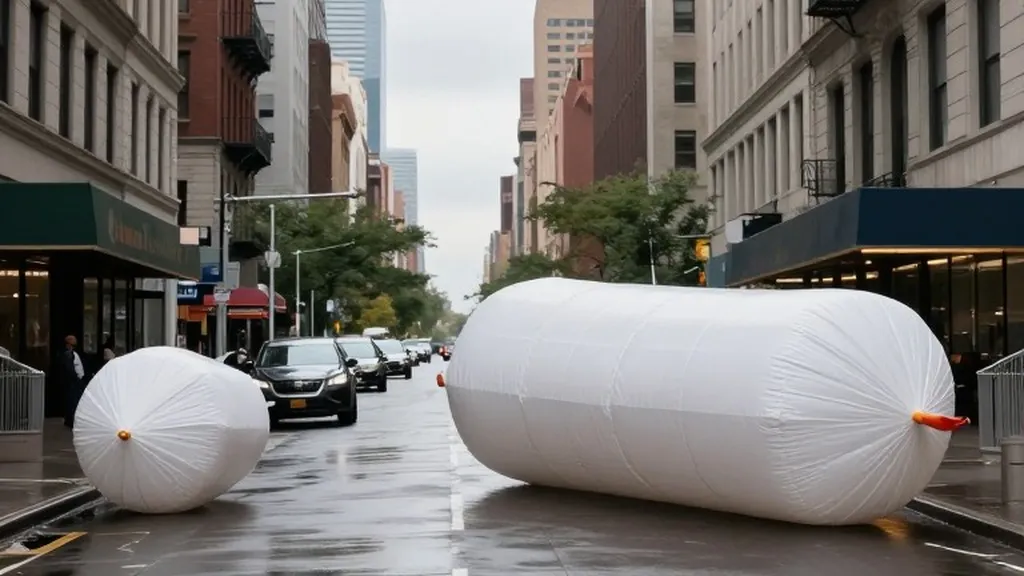
The decision to delay was based on specific numerical thresholds. Since 1998, regulations have prohibited giant balloons from flying when sustained winds exceed 23 mph or when gusts exceed 34 mph. The New York City Police Department holds final authority over balloon safety, even when winds are below these specific limits. The requirements for the balloons are strict. They are limited to dimensions of 78 feet long, 40 feet wide, and 70 feet high. Each balloon must be tethered to two support vehicles and managed by a team of 50 to 60 trained handlers. The balloons also feature rapid deflation mechanisms and require approval from the city's transportation department. These protocols form a rigid framework designed to prevent helium and physics from becoming a liability.
These rules were established after the chaotic 1997 parade. High winds during that event caused damage to about a dozen balloons. The affected characters included Sonic the Hedgehog, the Nestle Quick Bunny, and the Pink Panther. A Cat in the Hat balloon struck a lamppost at 72nd Street and Central Park West. The impact sent a 100-pound section of the balloon crashing to the street. Four people were injured, two of whom suffered head injuries. Spectator Kathleen Caronna was in a coma for 24 days and was left with serious brain injuries. Mayor Rudy Giuliani pushed the new rules through after that incident. His goal was to ensure that no one would ever again have to guess whether a giant rubber animal was a balloon or a projectile.
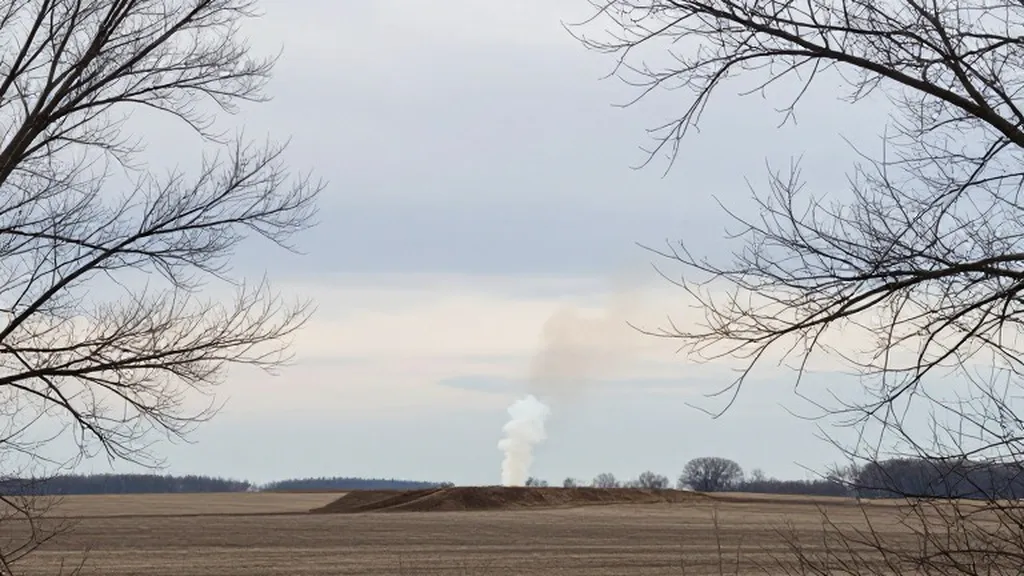
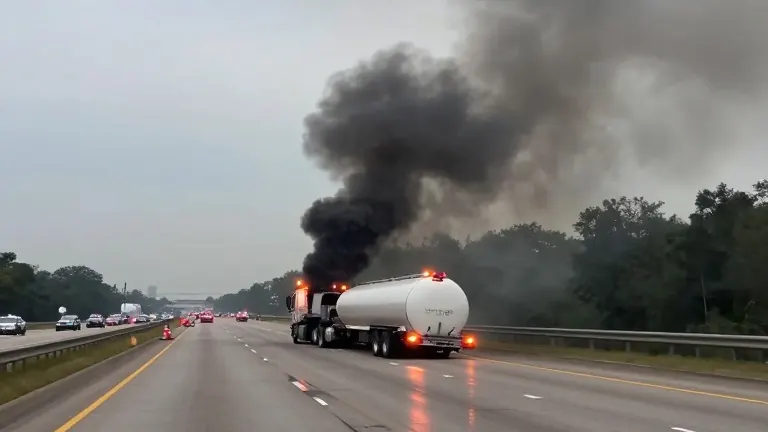
The timing of this year's postponement has drawn sharp attention. On the same morning the balloons were grounded, the U.S. Army detonated nearly five tons of degraded lead azide. The blast occurred at the Iowa Army Ammunition Plant near Middletown, Iowa. This location sits about 1,300 miles upwind to the west of New York. The detonation happened at 9 a.m. Central time, right in the same morning window as the parade decision. Army forecasts indicated that airborne lead dust would drift southwest across southeastern Iowa and into northern Missouri. The EPA permit for this specific detonation required wind speeds between 1 and 15 mph. In contrast, New York's forecast wind was far stronger, ranging from 28 to 48 mph.
This creates a distinct weather paradox. Officials in New York delayed the parade because the wind was too strong and unpredictable for the balloons. Meanwhile, officials in Iowa proceeded with the detonation because the wind was light and steady enough to keep the plume predictable. Critics are calling this a contradiction worth noting. They point out that the same weather weekend was used to justify flying no balloons in one city and setting off a lead explosion in another. It is a display of meteorological duality where the same atmosphere is simultaneously too turbulent for helium and just right for lead dust.
Some readers have concluded that the parade was moved to keep cameras and attention off the detonation. There is no evidence that the two decisions were coordinated. The wind rules for balloons are written down and enforced by the police. The detonation's wind window is written into a federal permit. Both sides are following their respective rulebooks to the letter. The irony lies in the fact that one set of rules prioritizes the safety of spectators watching giant toys. The other prioritizes the predictability of airborne chemicals for a blast that few in New York will see.
The 100th running of the parade is a milestone, but the storm also brought heavy rain and travel trouble to the Northeast. This occurred during the heaviest Thanksgiving travel stretch of the year. The balloons that were grounded on Thanksgiving are now scheduled to fly on Saturday morning instead. The public will have to wait two more days to see the Pink Panther and Sonic the Hedgehog. This is provided the wind cooperates with the police department's strict calculations. For now, the 100th anniversary is being celebrated with a pause. It serves as a reminder that even in a century of tradition, physics remains the most stubborn stakeholder.
More Business · Scam Watch · Report a business · Got a Story?