China and Russia block Iranian nuclear doctrine change
Foreign Minister Araghchi says strategic partners oppose altering the ban on nuclear arms, even as internal pressure for a shift grows after recent conflicts.
By Justin Barnes ·
Iranian Foreign Minister Abbas Araghchi confirmed on Saturday that both China and Russia oppose any changes to Tehran's nuclear doctrine. In an interview with the state-run Iran Daily, Araghchi stated that the opposition from Beijing and Moscow aligns with current strategic cooperation agreements between the three nations. He clarified that the official core doctrine has not yet changed, despite internal debates.
The current policy rests on a religious decree issued by former Supreme Leader Ayatollah Ali Khamenei. This fatwa prohibits the development of weapons of mass destruction, including nuclear arms. Araghchi described the ongoing discussion as serious, noting that distinct groups within the government hold opposing views on the future direction of Iran's strategic posture.
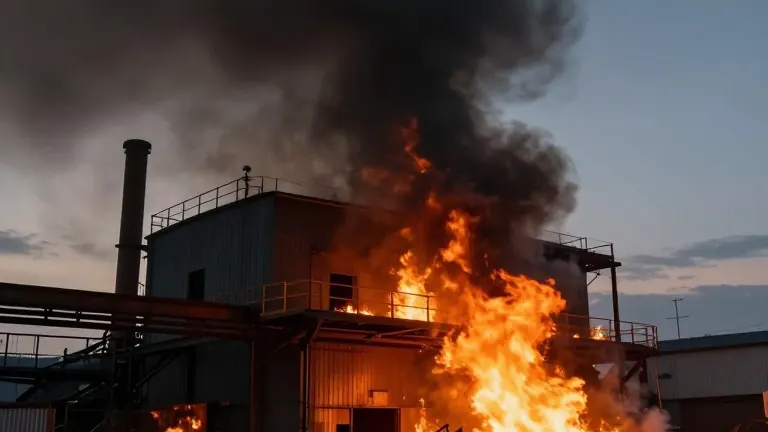
Pressure to alter this doctrine has intensified within Iranian political circles, particularly among hardliners. This debate follows wars with Israel and the United States, during which Iranian nuclear facilities suffered heavy attacks. Evidence indicates that Iran is rebuilding these damaged sites, although the exact status of its enriched uranium stockpile remains uncertain.
Supporters of a doctrinal shift argue that developing a nuclear weapon would serve as a necessary deterrent. Israel and the United States have countered that a nuclear-armed Iran poses an existential threat to Israel and could destabilize the region. Despite these arguments, Tehran has consistently denied seeking nuclear weapons, even though it has enriched uranium to levels with no peaceful application.
Tensions have also risen over inspections. Iran has barred the International Atomic Energy Agency from accessing its nuclear sites, citing security concerns. The agency has blamed Iran for obstructing access, while Iran has criticized the watchdog for failing to condemn the US and Israeli strikes. Last week, the IAEA urged Iran to take incremental steps to allow inspectors to return, calling such access critical.
The leadership transition adds complexity to the issue. Ayatollah Ali Khamenei was killed in a US-Israeli strike on his compound in central Tehran on February 28, 2026. His son, Mojtaba Khamenei, who succeeded him after being injured in that strike, has not been seen publicly since. He has not issued a decree overturning his father's ruling on nuclear weapons.