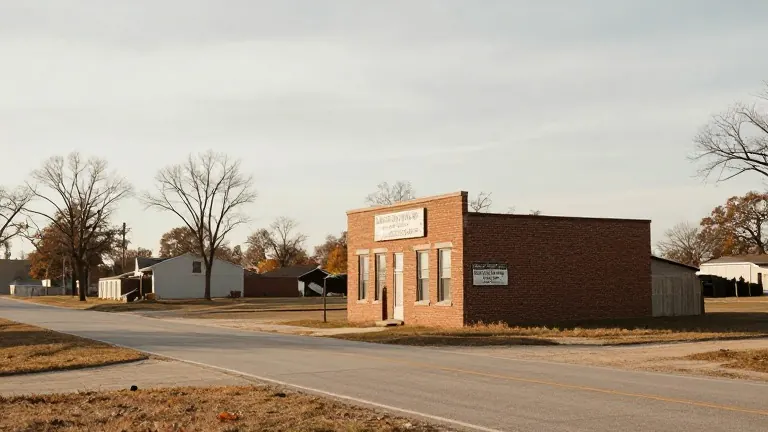
EPA finds no lead in Middletown water after Army blast
Preliminary data shows clean readings from 38 local sites, though officials in two other states detected low levels in pre-explosion river samples.
By Justin Barnes ·
The Environmental Protection Agency has released preliminary data showing no detectable lead in 38 water samples collected from public supplies in Middletown, Iowa.
The agency gathered these readings after the Army detonated lead azide in the town. The blast occurred on Wednesday. Before that event, EPA scientists collected more than 1,500 baseline samples of air, water, soil, and dust. Afterward, they gathered hundreds of additional specimens from homes, schools, parks, and playgrounds.
EPA air monitors ran for 30 hours following the explosion. They did not detect lead during that window. Consequently, the agency turned the monitors off on Thursday afternoon. Results from other air samples remain pending.
The report notes low lead levels at four sampling locations in Illinois and Missouri, including sites on the Mississippi River. Those specific samples were taken before the detonation.
Residents expressed concern over potential health impacts. Environmental groups previously sought to stop the blast through legal action and secured a temporary stay. An appeals court later ruled to allow the detonation to proceed.
The environmental groups stated they will hold the U.S. government responsible for a complete cleanup. More results, including data on soil, dust, and tap water, are still pending.