Homeowners install electric floor heating kits without professional help
GTD Supply kits allow DIY installation, but success depends on correct flooring selection and pre-installation testing.
By Justin Barnes ·
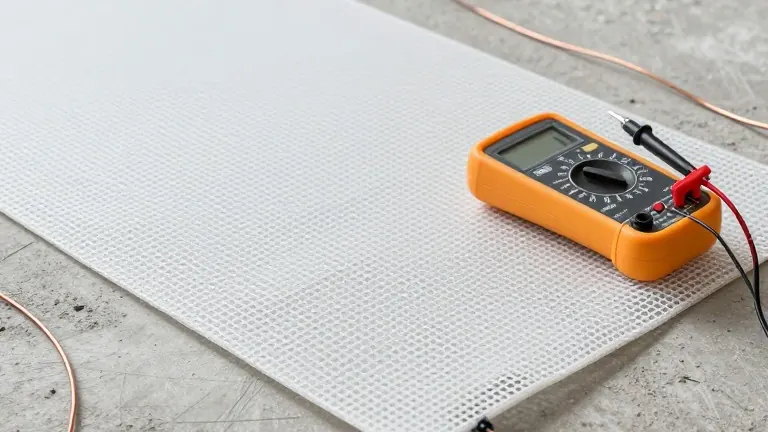
Morning routines in Yonkers households are changing as more residents install electric floor heating to eliminate the shock of cold tile. The system radiates warmth through the floor surface, targeting bathrooms, kitchens, and basements where cold spots are common. GTD Supply offers kits designed for both professional contractors and homeowners who prefer to handle the installation themselves.
The choice of equipment depends on the room layout. Heating mats consist of cables attached to a mesh backing, making them suitable for standard rectangular rooms where they can be rolled out in straight lines. Loose cable systems provide flexibility for irregular floor plans, allowing installers to route elements around obstacles and curves. Homeowners must measure the room and identify fixed objects like vanities or islands before purchasing. Heating elements should not go under permanent fixtures because trapped heat can damage the materials over time.
Flooring compatibility is a critical factor in system performance. Tile and stone transfer heat efficiently and retain warmth well. Engineered hardwood and luxury vinyl plank are acceptable options, but they require lower temperature settings to prevent warping. Solid hardwood should be avoided because it can shrink or crack from prolonged heat exposure. Thick carpet and padding insulate against heat, reducing system efficiency. Installers must check the flooring manufacturer’s specifications for maximum temperature limits before pairing the material with the heating system.
Preparation of the subfloor directly affects performance. The surface must be clean, dry, level, and free of cracks or debris. Uneven surfaces can create air pockets beneath the heating cable, leading to inconsistent warmth and potential damage. An insulation board or uncoupling membrane is often installed underneath the system. These layers direct warmth upward into the living space rather than allowing it to dissipate into the subfloor.
Testing is required before the system is covered. Installers must use a digital multimeter to measure the heating cable’s resistance and compare the readings to the manufacturer’s documentation. This step is necessary because accessing the cables for repairs becomes difficult and expensive once tile or flooring is applied. Testing should occur before installation, after laying the cables, and after applying thinset to catch issues early.
Electrical connections require a licensed electrician. The professional connects the system to a dedicated circuit and thermostat, ensuring compliance with local building and electrical codes. This process verifies correct amperage and circuit sizing. Skipping the electrician can void the product warranty and create safety hazards.
Operating costs depend on the size of the heated area, local electricity rates, and usage frequency. The system is typically used as supplemental heating rather than a primary heat source. A programmable thermostat manages energy use by scheduling the system to run only when needed, such as warming the bathroom floor in the morning and shutting off during the day.
Source: Yonkers Times
More Business · Scam Watch · Report a business · Got a Story?