Parenting habits may accidentally raise people pleasers
A parenting coach identifies six common behaviors that can teach children to prioritize others over their own needs.
By Yuki Melnyk ·
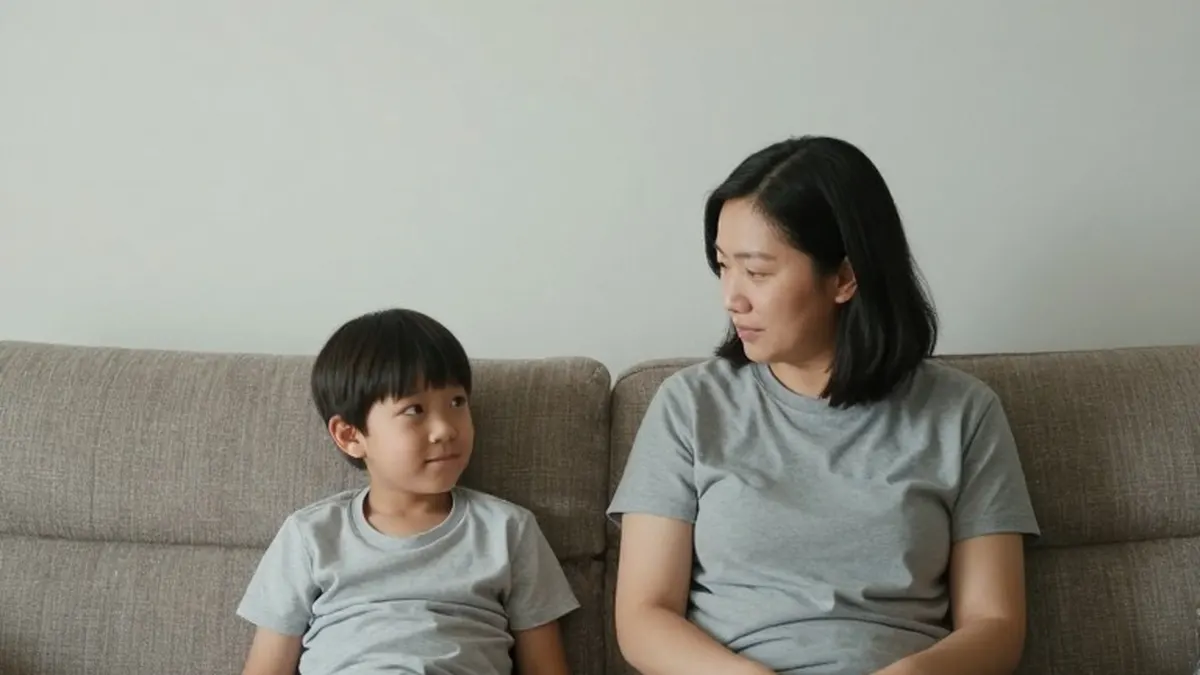
A conscious parenting coach who has worked with more than 200 families argues that many parents unintentionally raise children who become people pleasers. The coach, Reem Raouda, notes that these traits often emerge from ordinary and well-intentioned moments in the home rather than from deliberate teaching. While parents generally aim to raise kind and respectful children, certain praised behaviors can signal to kids that they must put themselves last to be loved.
One common habit is praising a child for being easygoing. When parents frequently compliment a child for rarely complaining or making demands, the child may begin to believe that their needs are a burden. Raouda suggests that parents should make room for disappointment, frustration, and disagreement. This approach helps children understand that they do not need to be constantly agreeable to earn acceptance.
Another area for improvement involves how parents respond when children question their decisions. Phrases such as "Don't talk back" or "Because I said so" can teach children that having a voice costs them a connection with their parent. Instead of shutting down opinions, Raouda recommends separating disrespectful behavior from differences in perspective. Parents can encourage dialogue by stating that they want to understand the child's thoughts, even if they do not agree.
The use of guilt-inducing statements is also a significant factor. Phrases that begin with "After everything I have done for you" can make children feel responsible for their parents' emotional well-being. When children hear these comments after misbehaving, they may focus on making their parents feel better rather than reflecting on their own actions. Raouda advises addressing behavior without inducing guilt, so children learn to take responsibility for their actions rather than managing adult emotions.
Consistently celebrating self-sacrifice is another habit worth reconsidering. When parents praise children for sharing or compromising, kids may learn that being a good person means putting themselves last. Raouda suggests teaching children that kindness does not require self-sacrifice. It is important to let them know it is acceptable to opt out of activities or choose not to share, and that someone else's disappointment does not automatically mean the child did something wrong.
The expectation of politeness can also contribute to people pleasing. While teaching children to say please and thank you is valuable, parents should also teach them that it is okay to say no. If children are expected to hug relatives or agree to everything to avoid offending others, they may learn that other people's comfort matters more than their own. Raouda advises allowing children to disagree with adults or decline a hug without being seen as impolite. Respect involves consideration, not automatic compliance.
Finally, children learn by observing their parents' own behavior. If parents constantly say yes when they are overwhelmed or apologize for things that are not their fault, children may absorb the message that they must abandon their own needs to keep the peace. Raouda encourages parents to model boundary setting and the expression of needs. Showing children that healthy relationships can withstand disagreement helps them understand that saying no is not the same as being selfish.
According to Raouda, the goal of parenting is not to raise a child who is liked by everyone. Instead, the objective is to raise a child who does not have to lose themselves to be liked. By being mindful of these six habits, parents can help their children develop confidence and emotional health while maintaining kindness and care for others.
More News · National news · Report a business · Got a Story?