IEA Report Identifies Iran War as Historic Threat to Global Energy
The International Energy Agency warns that the ongoing conflict in the Middle East has caused the most significant disruption to energy security since the 1970s, potentially reshaping global demand patterns by 2035.
By Justin Barnes ·
The International Energy Agency (IEA) has issued a stark warning that the war between the United States, Israel, and Iran, which began in February of this year, has created the largest threat to energy security in history. In its flagship annual publication, the World Energy Outlook 2026, the Paris-based agency stated that the crisis has disrupted global oil and gas trade to an unprecedented degree. The report suggests that the conflict will leave lasting marks on the energy sector, fundamentally altering how the world manages its resources.
IEA executive director Fatih Birol emphasized the magnitude of the change in an interview conducted alongside the release of the report. He stated that in his view, the energy world will never be the same as it was before the Iran war. Birol noted that while the sector and the broader economy have shown resilience, the prolonged nature of the crisis ensures that its effects will deepen over time. He further remarked that he does not see any credible pathway for the energy landscape to return to its pre-war state.
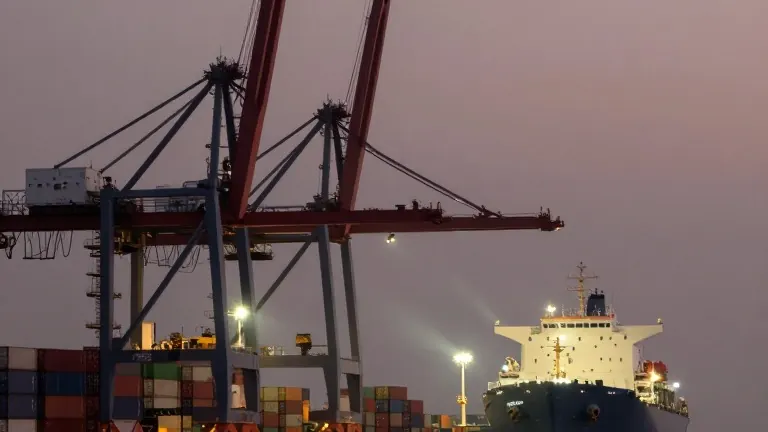
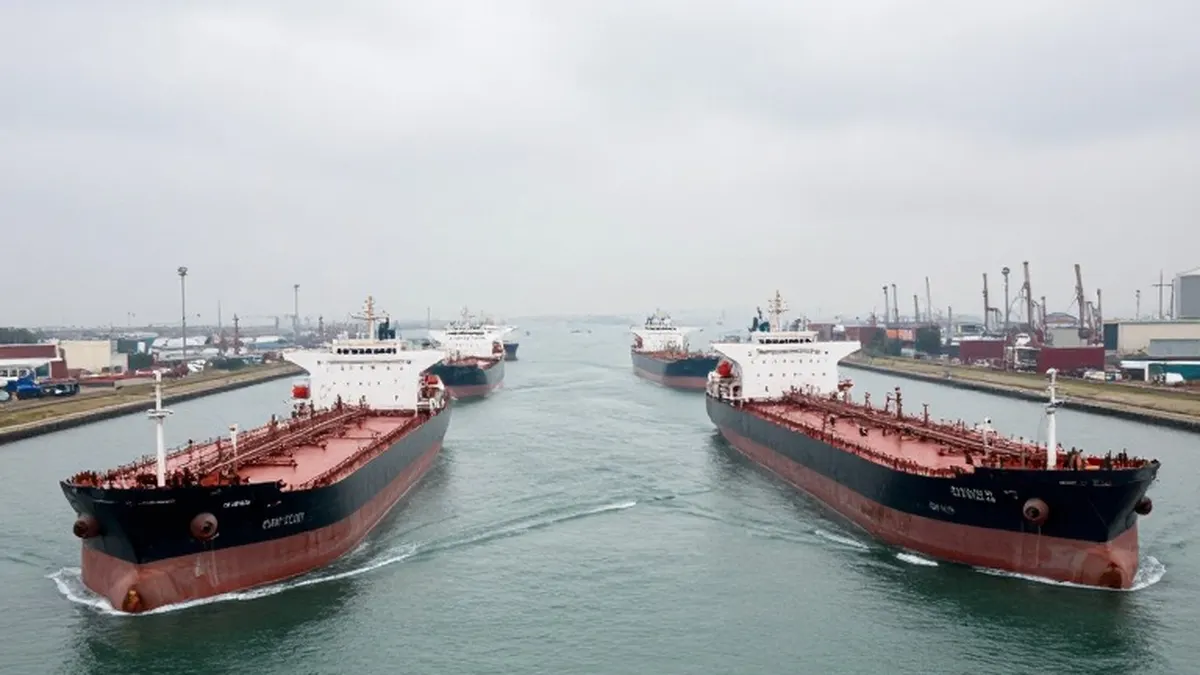
The disruption stems largely from Iran’s blockade of the Strait of Hormuz and its targeting of tankers in the region following the initial strikes. This waterway typically handles about one-fifth of global oil shipments. Although the United States has attempted to escort vessels through the channel, supply lines remain severely disrupted. Birol described the situation in his foreword as a crisis that dwarfs the scale of the oil shocks experienced in the 1970s.
Consumers are increasingly bearing the financial burden of the conflict. The agency noted that as traditional buffers are exhausted, it falls to households to absorb the impact through higher prices and, in some cases, supply shortfalls. Governments have intervened to provide some shelter for consumers, and producing nations have worked to bring more supplies to market via alternative routes. Additionally, China has reduced its purchases from international markets. However, Birol acknowledged that despite these efforts, consumers have faced significant price increases.
In July, Birol had offered a more optimistic assessment, noting that the oil market still benefited from several cushioning factors. The new report, however, reflects a shift in tone as nations gather for the COP31 climate talks in Turkey. These discussions come after a year marked by severe heatwaves and wildfires in Europe, as well as deadly floods in Nepal, placing additional pressure on governments to address climate change.
The IEA utilizes three standard scenarios for its outlook: a cautious scenario based on current policies, a middle scenario including stated future government measures, and a net-zero scenario for 2050. Under the middle scenario, global oil demand is forecast to peak around 2030 before entering a slow decline. Gas demand is expected to rise until approximately 2035. The report introduces an Additional Response Case (ARC) to model the effects of a prolonged Middle East crisis.
Under the ARC scenario, energy security concerns could accelerate electrification, efficiency measures, and the reduction of fossil fuel imports. In this projection, global oil demand in 2035 would be 4.4 million barrels per day lower than under the standard Stated Policies Scenario. Electric vehicles alone are projected to displace more than 11 million barrels per day of oil demand. By 2035, oil demand under the ARC scenario would fall to 97 million barrels per day, compared to just over 101 million barrels per day under standard policies. By 2050, demand is projected to drop to 85 million barrels per day.
Gas demand under the ARC scenario is also significantly lower, with a reduction of more than 30 billion cubic meters compared to the standard scenario. The agency reports that electrification has become cost-competitive in transport, heating, and industry. However, inadequate grids, charging networks, and power supplies could slow the rollout of these technologies. Birol noted that many countries now view electrification as a key policy option for energy security, choosing to build energy domestically rather than importing it.
The report highlights that electricity’s share of final energy consumption is projected to approach 30% globally, up from about 23% currently. This shift is driven by the transition away from fossil fuels in various sectors. Rising demand for cooling, particularly in buildings, has emerged as a major driver of electricity consumption. For the first time, demand for cooling in buildings has exceeded demand for heating, a trend fueled by higher temperatures and rising incomes that drive rapid growth in air-conditioner use.
The cumulative impact of the conflict has resulted in losses of 2.8 billion barrels of oil and 60 billion cubic meters of gas supplies from the Gulf. The annual outlook examines how governments and markets might respond to prolonged disruption in the Strait of Hormuz. As the world navigates these challenges, the IEA’s findings underscore the urgent need for strategic adjustments in energy policy and infrastructure to mitigate the long-term effects of the crisis.