Utah Files Felony Charges Against Kalshi and Its Two Co-Founders
Utah has brought criminal charges against the prediction market operator and its top executives, sharpening a national dispute over whether states or federal regulators control the industry.
By Yuki Melnyk ·
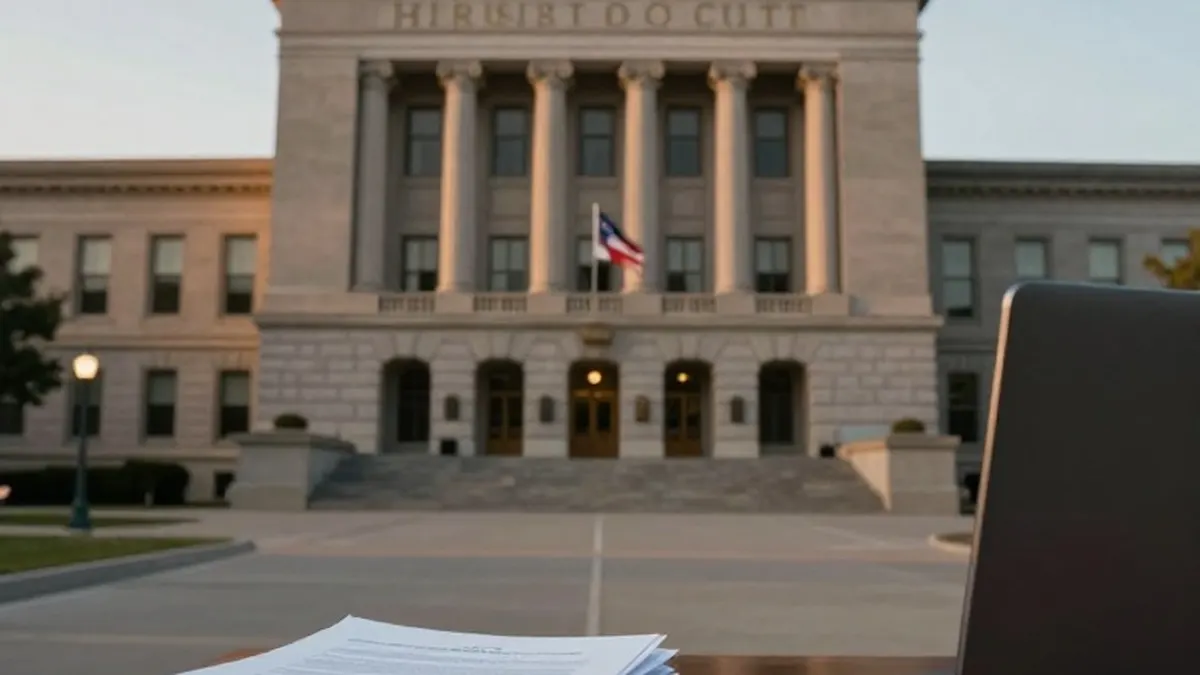
Utah filed felony charges on Wednesday against prediction market operator Kalshi and two of its executives, months after a federal judge declined to block the state from applying its strict anti-gambling laws to the company's activity.
The charges include 13 counts of violating Utah's gambling prohibition and one count involving profiting from illegal activity. The charging documents name the company along with co-founders Tarek Mansour, its chief executive officer, and Luana Lopes Lara, its chief operating officer.
Utah Attorney General Derek Brown said Kalshi has kept operating in the state despite a federal court ruling that Utah's gambling laws apply to it. "Gambling is illegal in Utah, whether you place the bet, run the game, or promote it," Brown said. He added that calling it a "prediction market" does not change what it is, and that being federally registered does not place a company above the law. His office did not immediately say what penalties it would seek, though the felony charges carry the possibility of jail time.
Kalshi called the charges a "crazy overreach" and said "Utah is clearly playing politics." The company said it looks forward to stopping the case in court, "just like we did in Arizona."
The case is part of a wider fight over who regulates these markets. Litigation has spread across roughly 20 states, producing a fragmented legal landscape that analysts expect the U.S. Supreme Court to settle. Kalshi maintains that prediction markets fall exclusively under federal jurisdiction and are not subject to state gambling laws. Under President Donald Trump, the Commodity Futures Trading Commission has agreed with that view and has sued at least 10 states, including Utah this week, to try to stop them from regulating the markets.
Arizona earlier this year became the first state to file criminal charges against Kalshi, accusing it of running an illegal gambling business. A judge later put that case on hold. Legal analyst Daniel Wallach said Arizona's ability to pursue its misdemeanor charges could soon be restored, after the 9th U.S. Circuit Court of Appeals in San Francisco refused to let Kalshi resume trading on sports and elections events in Nevada while it fights that state's effort to shut it down.
Wallach, a lawyer who specializes in sports wagering and gaming law and teaches at the University of Miami School of Law, said Utah's felony approach could mark a shift, since states have mostly pursued civil actions against prediction market operators. He expects more cases like it, and said the charges "could be a bellwether for how other states approach Kalshi and Polymarket" after Nevada's appellate court win.
Kalshi sued Utah in February, seeking to prevent enforcement of the state's gambling restrictions on its platform, as Utah was close to enacting legislation meant to undercut prediction markets in the state. A federal judge rejected the request, finding that the Commodity Exchange Act, which Kalshi cited, does not stop the state from enforcing its laws. Last month, the 10th U.S. Circuit Court of Appeals in Denver declined to halt Utah's enforcement while Kalshi appeals.
Last week, Utah also sued Kalshi and several related companies in state court. The suit asks the court to stop the platform from trading on sports, elections, politics, culture and other outcomes in Utah, and to require a court-approved geolocation provider to enforce that restriction. The attorney general's office also wants the defendants to give up the profits they made in the state.
Source: ABC News
More News · National news · Report a business · Got a Story?