Northeastern University Opens New York Campus After Merger With Marymount
Approximately 1,000 former Marymount Manhattan College students are now enrolled at the institution's 14th location, where cultural differences between the two schools are creating friction.
By Justin Barnes ·
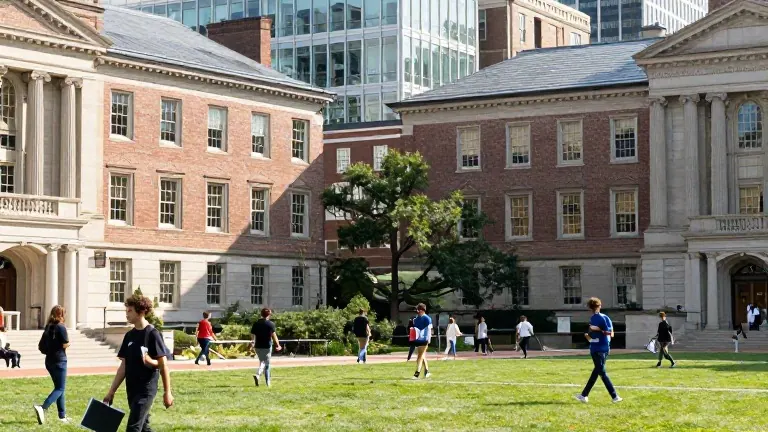
Northeastern University finalized its merger with Marymount Manhattan College on July 9, creating a new campus in New York City. This acquisition marks the institution's 14th location. According to Northeastern Global News, roughly 1,000 students who were previously enrolled at Marymount have transitioned into the Northeastern student body.
The merger follows a similar 2022 acquisition of Mills College, which was facing closure. At that time, students expressed concern about how the two distinct student populations would integrate, particularly given Mills' history as a women's college. Marymount shares a comparable history, having started as a two-year women's college before becoming a private university focused on liberal arts and performing arts.
The two institutions operate with different educational philosophies. Marymount's 2025-26 catalog emphasizes an informed commitment to social, political, and ethical responsibility, alongside advancing social justice through education. Northeastern, by contrast, prioritizes experiential learning and its co-op program. While Northeastern has pledged to maintain an emphasis on the performing arts at the new campus, the difference in institutional culture is affecting students.
Specific tensions have arisen regarding the use of artificial intelligence. Northeastern embraces AI tools, whereas many liberal arts and humanities students view them with skepticism. Nanette Wyatt, a second-year costume design major who was originally admitted to Marymount, stated that her field involves sewing and costume construction, leaving little room for AI. She noted, "Apparently we have access to Claude now, which is an AI service, and I'm just kind of like, oh, that's what my tuition dollars are going to. That's lovely."
Students report a lack of clear communication from the administration regarding the transition. The term merger feels inaccurate to some because the new campus has not preserved the specific culture of the former university. Maintaining the functional operations of the campus is distinct from preserving the unique identity that existed prior to the acquisition.
Cultivating a shared community requires effort and time. When the merger was first announced in 2024, students voiced concerns about the loss of artistic connection. Abby Mulligan, then a fourth-year student at Marymount, told The Huntington News, "I don't think Northeastern has that same connection with the arts."
Perception gaps between the two student groups remain a challenge. Kaelyn Newman, a second-year theatre major and former New York scholar, said that some Marymount students believed Northeastern students were primarily finance majors or athletes. She clarified, "From my experience, it gave that Marymount students thought that all Northeastern students were just, like, finance bros or jocks. And I mean, some of them were, but not everyone."
The university must prioritize integration between students admitted through the different pathways. Events, including sports, should be open to both groups to build connections. Leadership needs to establish a direct line of communication with the student body to address concerns about belonging and cultural fit.
Financial pressures and nationwide closures continue to impact smaller universities, making mergers a likely future strategy for larger institutions. The New York campus presents an opportunity for Northeastern to showcase diverse educational values rather than operating identically to its other locations.