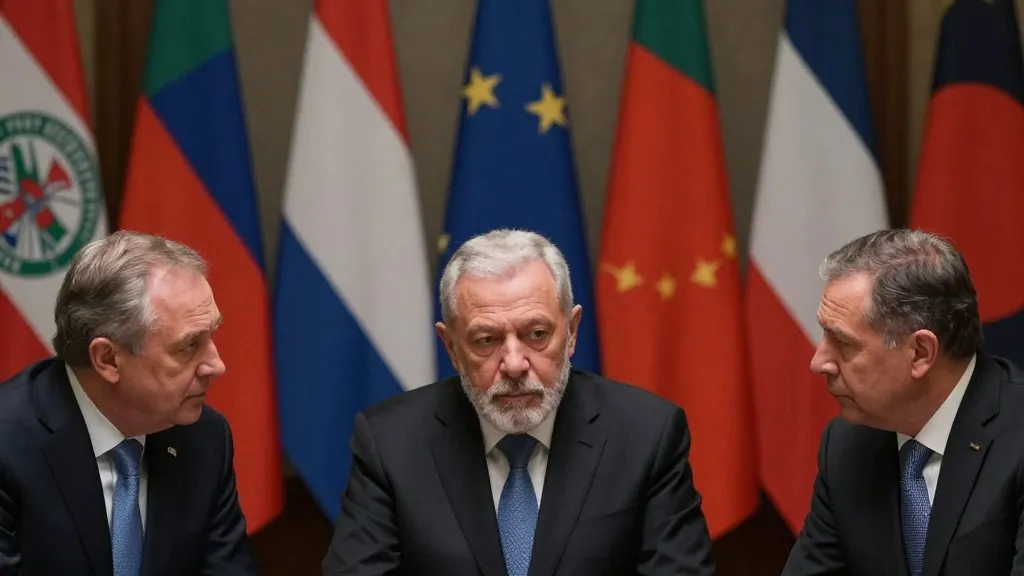
Pentagon Bans Insider Bets on War Outcomes
New guidance prohibits Department of Defense staff from profiting from nonpublic information on prediction platforms.
By Isabella Morales ·
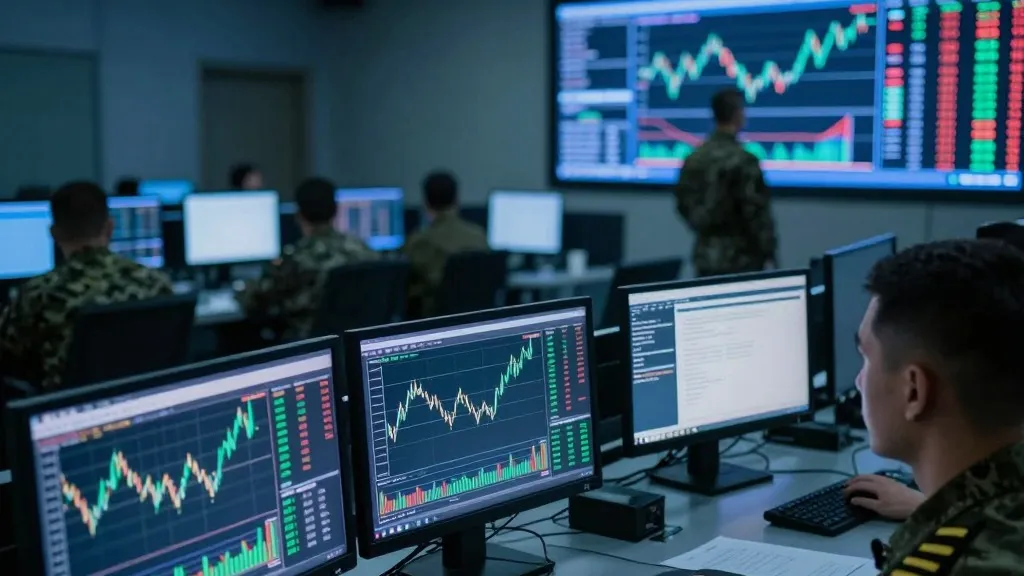
Defense Secretary Pete Hegseth has directed Department of Defense personnel to cease placing wagers on military outcomes using confidential information, a move intended to prevent adversaries from deciphering operational plans through financial activity. The prohibition is designed to safeguard troops by ensuring that sensitive tactical data is not leaked through betting markets.
A memo titled “Do Not Compromise Military Operations for Personal Financial Gain” was issued on October 20 to senior Pentagon leadership, Combatant Command leaders, and Defense Department field activity directors. The guidance prohibits any financial transaction informed by nonpublic information, regardless of whether that information is classified or unclassified, and applies to all financial platforms, including prediction markets such as Polymarket and Kalshi.
Hegseth justified the restriction by pointing to the security risks associated with tracking market trends. “Our enemies watch movements in these markets,” Hegseth wrote. He explained that when military or civilian personnel engage in a transaction regarding a military outcome, they create a signal that hostile foreign intelligence services can aggregate and correlate to anticipate movements, targets, and timing.
The Secretary emphasized that the safety of troops relies on operational secrecy. “The lives of our Service members often depend on the enemy not knowing what is coming,” he wrote, adding that those serving overseas deserve protection rather than exposure for personal gain.
The new policy follows several incidents where financial speculation intersected with defense operations. In April, a US Army soldier was arrested and charged with using confidential information to generate $410,000 in bets on Polymarket regarding the timing of the capture of Venezuelan President Nicolás Maduro.
Market surveillance has also flagged unusual activity outside of specific arrests. A report issued in August by the Anti-Corruption Data Collective indicated that researchers identified 152 suspicious wallets that placed longshot bets on military and defense markets. These wagers reportedly resulted in a combined win of $8 million.
The prohibition marks a significant shift in how the Department handles sensitive information in the private sector. By restricting access to nonpublic data, the Pentagon aims to ensure that the financial markets cannot be used as a proxy for intelligence gathering, thereby preventing adversaries from capitalizing on the financial decisions of American service members.
Source: Ars Technica