Queensbridge play earns $4,000 in August
A new theatrical production based on resident oral histories opens in Manhattan this month, with all proceeds going to local housing organizations.
By Justin Barnes ·
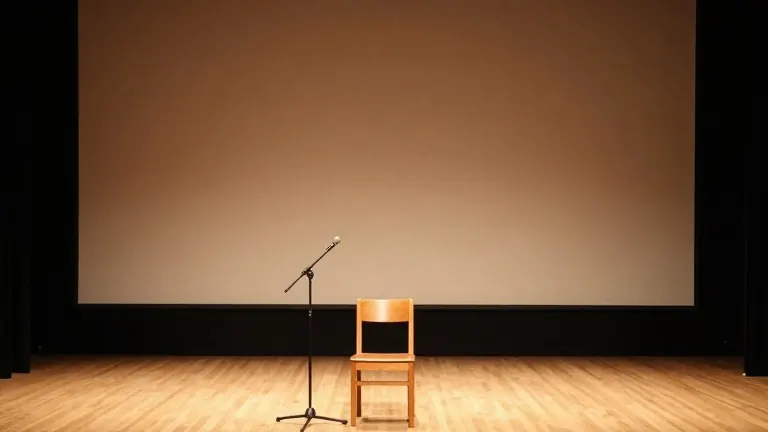
Playwright Marlin Thomas has set aside half of the $4,000 earned during the play's initial August run for the Jacob A. Riis Neighborhood Settlement. The other half of that total went to the cast and crew. This financial model ensures that every ticket sold for the new production, titled "Queensbridge," directly supports the community depicted on stage.
The play is set to run from January 14 to January 31 at the Theater for the New City in Manhattan. DeMone Seraphin directs the production. Thomas, who grew up in the Queensbridge Houses, designed the piece to function as both a dramatic work and an ongoing sociological study of life in public housing.
Thomas's connection to the site dates back to 1950. He arrived at the complex at age three after his family was evicted from the Bronx to make way for a public school. He remained there until 1975. His family was one of the few successfully relocated by the city, a detail Thomas contrasts with the broader history documented in Robert Caro's "The Power Broker."
The narrative centers on a character named Lionel Russell, a composite of several elderly male residents Thomas interviewed. In the script, Russell recounts being born on a sixth-floor apartment in Queensbridge on January 1, 1950. The play describes how officers Jackson and Evans delivered the baby because there was no time to wait for an ambulance. Russell's story includes failing high school gym class due to an inability to afford a combination lock.
The play portrays the residents of the six-block mini-city as people who arrived through bureaucratic force rather than choice. The script details how Robert Moses sent Russell's mother there after the Cross Bronx Expressway destroyed her East Tremont home. Other characters, such as Mrs. Treadway, Mr. Habig, and the Manfreos, were placed in the complex by foster care, psychiatric services, or social services.
Thomas notes that the production invites audience participation to bridge the gap between fiction and history. Actors mingle with patrons before the show begins, collecting names of current Queensbridge residents. These names are then integrated into the script. During the opening monologue, the character Russell surveys the room, calling out names and eliciting responses from attendees.
The narrative is framed by a researcher, portrayed as a middle-aged urban studies professor, who interviews Russell. Thomas stated that this structure creates a blurred line between performance and oral history. The audience has so far been composed largely of Queensbridge elders, many of whom recognize themselves in the characters.
Thomas said the play aims to bring dignity to a community often overlooked. He noted that middle-class audiences are confronted with people they might normally avoid in public spaces. The work focuses on the lack of agency many residents experience while dealing with poverty and bureaucratic systems.
Russell, like the playwright, eventually finds peace in his life within the housing projects. The character describes the experience of carrying the weight of the location with him. All future profits from the January run will be reinvested into the Jacob A. Riis Neighborhood Settlement or the Queensbridge Tenants Association.