Rice-Grain Markers Replace Wires in Brooklyn Breast Surgery
Dr. Jaime Alberty uses GPS-like localization and fluorescence imaging to reduce pre-operative steps and monitor tissue blood flow during procedures.
By Yuki Melnyk ·
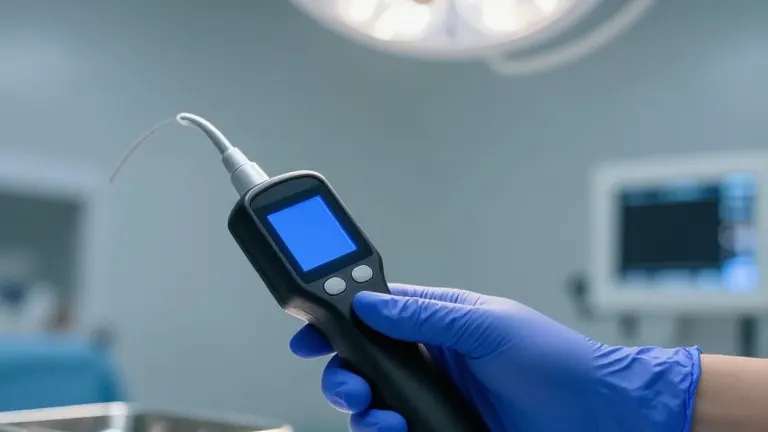
Breast cancer surgery in Brooklyn is shifting away from traditional wire localization. Dr. Jaime Alberty, director of the Comprehensive Breast Center at Kings County Hospital, says the field has changed significantly in the last decade. He now uses Stryker’s MOLLI surgical localization system to guide operations. This device functions like a GPS for breast surgery.
Under the previous standard of care, a radiologist placed a thin wire into the patient’s breast before the operation. This required a separate visit and added a step to an already stressful process. Alberty now places a tiny marker, approximately the size of a grain of rice, into the breast. The marker can be inserted on a different day from the surgery itself. During the operation, a handheld Stryker device guides the surgeon to the precise location of the target tissue.
This separation of appointments allows patients to manage work and family obligations more easily. Alberty notes that reducing logistical hurdles is important for those juggling the emotional weight of a diagnosis. The goal is to provide high-quality care locally so patients do not need to travel elsewhere.
Alberty also employs Stryker’s SPY-PHI fluorescence imaging system. This tool allows surgeons to visualize structures and assess blood flow that are invisible to the naked eye. During breast reconstruction, confirming healthy circulation is essential for healing. Inadequate blood flow can lead to skin damage and other complications. The imaging provides real-time data on tissue viability to guide surgical decisions.
The technology also aids in sentinel lymph node biopsies. These procedures determine if cancer has spread to nearby lymph nodes. By accurately identifying these nodes, surgeons can avoid removing more tissue than necessary. Extensive lymph node removal increases the risk of lymphedema, a condition characterized by swelling in the arm or surrounding areas.
Alberty advises newly diagnosed patients to ask specific questions before agreeing to a procedure. He suggests they inquire whether breast-conserving surgery is appropriate for their diagnosis. Patients should ask how the tumor will be located during the operation. If lymph nodes require evaluation, they should ask how that process works and what it means for recovery. For those considering a mastectomy, discussions should cover reconstruction options, sensation preservation, and the risks of different approaches.
Technology supports informed decisions but does not replace experienced care. Alberty emphasizes that patients deserve to understand the choices being made for their own bodies. He aims to ensure these tools are available to the community he serves.