San Diego Professionals Reject Long Office Leases
Freelancers and startups are swapping commercial real estate contracts for hourly desk access in flexible coworking hubs.
By Justin Barnes ·
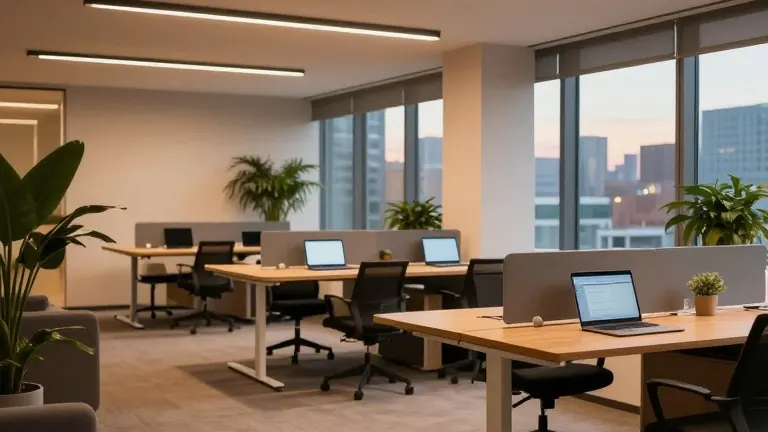
San Diego freelancers and consultants are abandoning standard commercial leases in favor of flexible coworking memberships. The shift responds to the rising prevalence of hybrid employment models. These workers seek environments that adapt to irregular schedules rather than fixed office hours. The local market has responded by offering spaces that serve both individual teleworkers and small teams.
Traditional office agreements typically lock tenants into long-term contracts with fixed costs. These financial obligations create risks for startups and solo practitioners whose income fluctuates. Coworking operators in San Diego offer tiered access plans to address this volatility. Members can purchase a desk for a few hours or secure a dedicated workspace for regular use. This structure allows businesses to adjust their physical footprint without triggering complex property management issues.
Remote work often suffers from a lack of structure. Home distractions can hinder concentration and reduce output. Coworking spaces provide a physical boundary between professional and personal life. These facilities offer reliable internet, ergonomic seating, and controlled lighting. Workers can conduct virtual meetings and complete focused tasks without the interruptions typical of a home office.
Client-facing professionals also rely on these spaces to maintain a business image. Maintaining a private office solely for occasional meetings is often financially inefficient. Membership fees include access to meeting rooms, private workstations, and high-speed internet. Users also gain access to printing facilities and common areas. This setup allows consultants and sales teams to host in-person meetings without the capital expense of building a permanent office.
Startups benefit from the reduced overhead of shared spaces. Traditional offices require separate budgets for utilities, furniture, maintenance, and equipment. Coworking memberships bundle these services into a single fee. Companies pay only for the space and resources they actually use. The savings can be redirected toward marketing, recruitment, and technology development.
The trend indicates a change in how professionals approach their work environments. Independence and access to professional networks are now prioritized over physical permanence. San Diego hosts a large population of such workers who are seeking alternatives to conventional real estate. Coworking has become a standard option for those who do not require a full-time office.
The local real estate sector is observing this shift in demand. Property owners are converting older commercial units into flexible work hubs. The move reflects a wider adjustment in how office space is valued. The focus has moved from square footage to utility and access. This change is reshaping the commercial real estate inventory in the region.
More Business · Scam Watch · Report a business · Got a Story?