Sunday clock reset triggers nationwide smoke alarm check
The American Red Cross on Long Island urges households to test safety devices and replace batteries before daylight saving time ends at 2 a.m.
By Yuki Melnyk ·
Daylight saving time concludes at 2 a.m. Sunday, November 1.
Clocks will turn back one hour to daylight standard time, granting residents an additional hour of sleep and shifting sunrise and sunset times earlier. The current period of extended daylight will not return until March 14, 2027. This annual time change serves as a designated checkpoint for home safety maintenance.
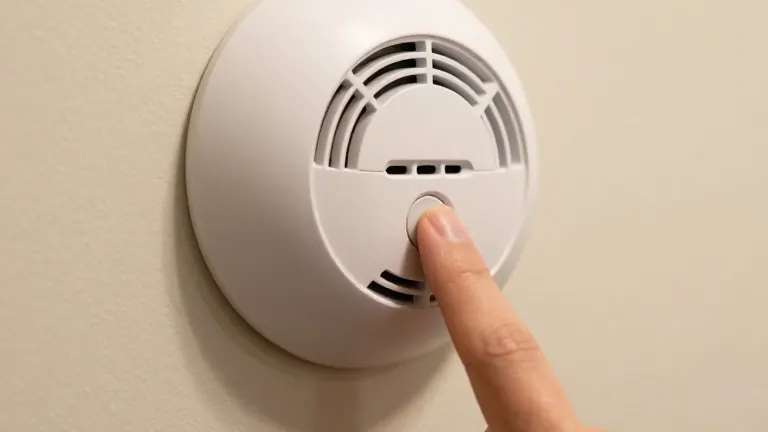
The American Red Cross on Long Island is using the occasion to prompt families to verify that their smoke alarms and carbon monoxide detectors are functional. The organization recommends testing every unit while turning the clocks back. This simple action confirms that the siren sounds properly and that the device is ready to alert occupants in an emergency.
Jose Dominguez, Chapter CEO for the American Red Cross on Long Island, emphasized the urgency of this routine check. "Every second counts when there's a home fire," Dominguez said. "The sooner an alarm alerts you to a fire, the sooner you can get to a safer place." He advised that households test their smoke alarms this weekend to help prevent domestic tragedies.
Beyond testing, the Red Cross specifies several maintenance steps for these devices. Homeowners should replace standard batteries in carbon monoxide and smoke detectors, even if the units are hardwired. Carbon monoxide detectors generally require replacement every five to seven years, whereas smoke detectors typically last about 10 years. Users should check the manufacture or expiration date printed on the back of each device to determine if a unit needs swapping.
The organization also advises on placement and cleaning. A carbon monoxide detector must be installed on every level of the home and near or outside each sleeping area. Smoke alarms should be present on every level, including inside bedrooms and outside sleeping areas. To maintain sensor accuracy, residents should gently vacuum or use compressed air to clear dust from the sensor vents once a year.
Additional fire safety guidelines include keeping a fire escape plan that identifies two ways out of every room and a designated meeting spot outside. Households should practice these escapes at least twice a year. Residents are instructed to keep flammable items like curtains and towel racks away from stoves and to never leave cooking unattended. Most kitchen fires begin on stovetops, so keeping a lid handy to suffocate flames is a recommended precaution.
Source: TBR News Media