UN diplomats in Geneva fail to reach binding agreement on autonomous weapons
Negotiations in Geneva concluded with a compromise to begin discussing options for killer robot rules, with proposals due in two years rather than the urgent one-year timeline sought by humanitarian groups.
By Yuki Melnyk ·
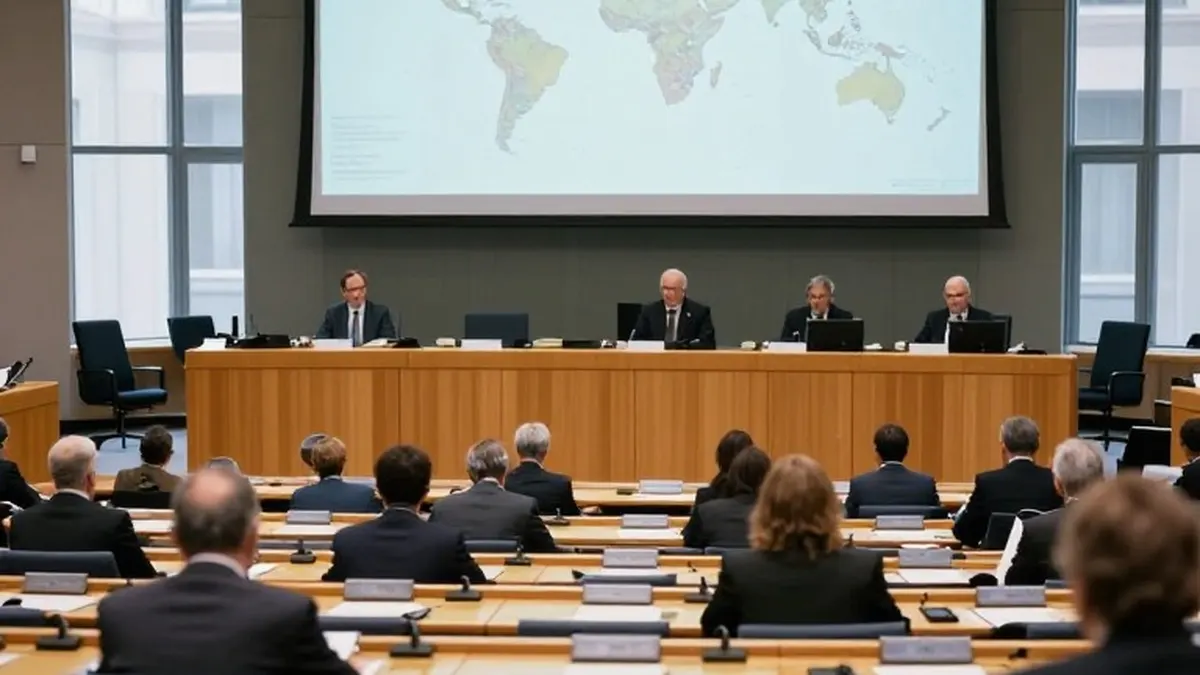
Diplomats from various nations gathered in Geneva this week to address the growing concern over autonomous weapons systems, commonly referred to as killer robots. Despite significant effort, the group of representatives departed the sessions without finalizing a concrete regulatory framework. Instead, they reached a preliminary agreement to start discussing potential options for governing the use of these technologies.
The week of negotiations was described as largely fruitless by many observers, as delegates struggled to find common ground on the scope and enforcement of new rules. Before the talks commenced, the International Committee of the Red Cross, which serves as the guardian of the Geneva Conventions, issued a strong statement urging the adoption of legally binding regulations within twelve months.
This call for rapid action was supported by high-profile figures, including the United Nations secretary-general and Pope Leo. Both leaders emphasized the critical need for immediate legal clarity to govern the increasingly automated nature of modern warfare. However, the final compromise extended the timeline significantly, granting countries two years to propose specific regulations.
The extended deadline allows member states more time to draft their positions, but analysts suggest that the subsequent negotiations regarding which specific rules to adopt and how to enforce them will likely continue well beyond that two-year period. Furthermore, the agreement leaves room for certain regulations to remain optional rather than mandatory, a point of contention for many delegates who sought universal standards.
Humanitarian organizations and several nations have long argued for urgent, legally binding rules. They point to the significant number of civilian deaths caused by semi-autonomous weapons and drones in recent conflicts. These incidents have been documented in various regions, including Ukraine, Gaza, and Sudan, where such technology has played a prominent role in combat operations.
The progress of the negotiations was hindered by several key players who raised procedural and substantive objections. According to reports from NPR, Russia, Israel, and the United States were identified as the primary sources of obstruction during the talks. Their positions made it difficult to reach a swift consensus on the agenda and the final text.
The difficulties became apparent early in the session, with Russia delaying the proceedings on the very first day by objecting to the meeting’s agenda. This initial setback set a tone of caution and debate that persisted throughout the week. The lack of immediate agreement highlights the complex diplomatic landscape surrounding emerging military technologies.
The United States also played a significant role in shaping the outcome by proposing a longer timeframe for discussion. American representatives suggested a five-year window to develop nonbinding and optional guidelines for autonomous weapons. This proposal contrasted sharply with the one-year target for binding rules advocated by the Red Cross and other supporters of stricter controls.
As the delegates return to their home countries, the focus now shifts to the upcoming two-year period where specific regulatory proposals will be drafted. The outcome of the next round of discussions will determine whether the international community can establish robust standards for killer robots or if the process will continue to stall amid differing national interests.
More News · National news · Report a business · Got a Story?