Zelenskyy Claims Drone Strike on Russian Warship in Benghazi
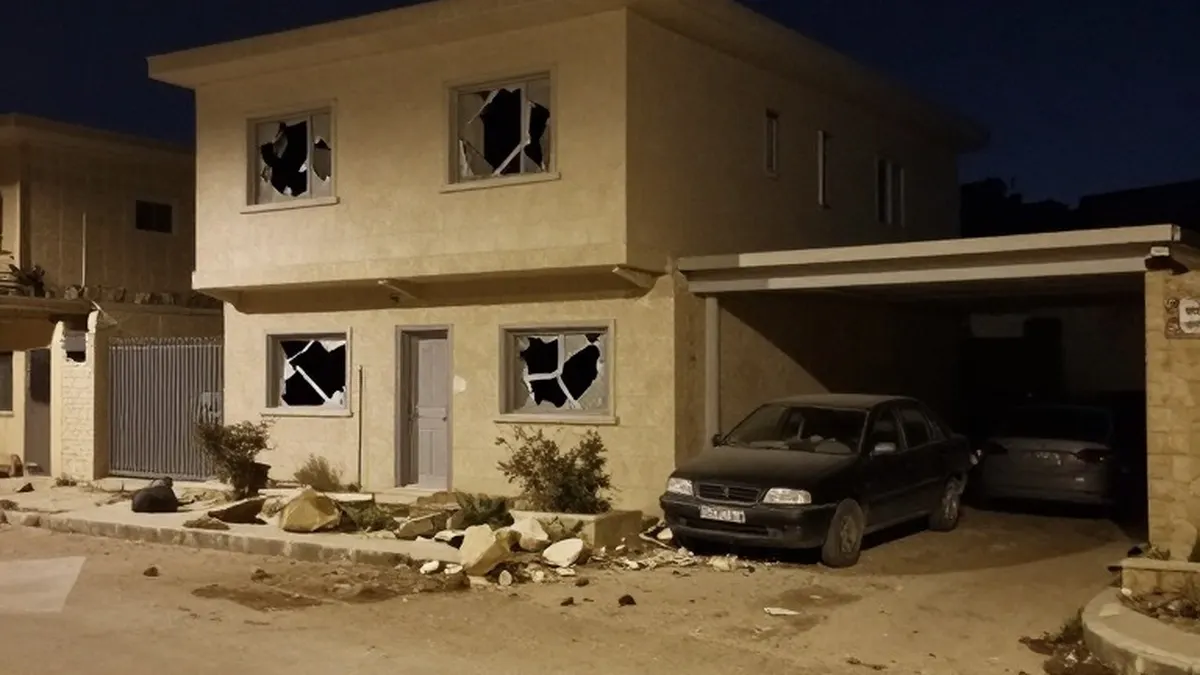
The Sunday attack on a vessel in the port of Benghazi has intensified tensions between rival Libyan governments and raised fears for the country’s ongoing peace process.
By Yuki Melnyk ·
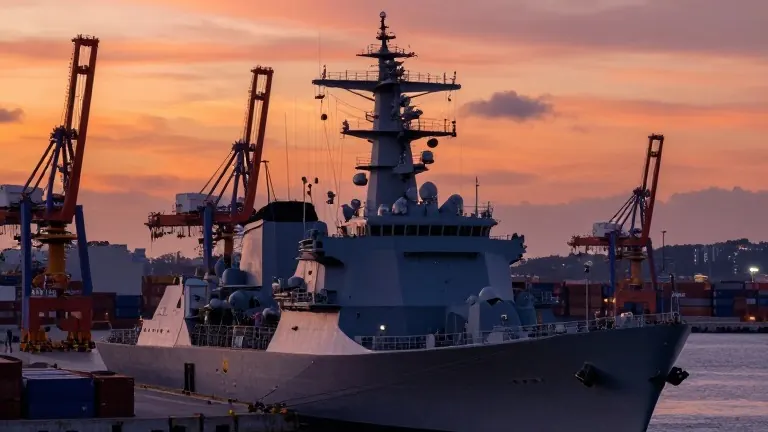
Volodymyr Zelenskyy acknowledged on Monday that Ukrainian forces launched a series of drone strikes against a Russian warship docked in the port of Benghazi on Sunday.
The attack occurred in the eastern city controlled by military commander Khalifa Haftar, who maintains close ties with Moscow. Haftar’s forces have received weapons, mercenaries, and diplomatic support from Russia in exchange for a military foothold in the region.
Russian personnel, estimated between 1,000 and 1,800, are currently deployed in Libya, including members of the Africa Corps. Their presence extends to critical ports, airfields, and overland routes that support Moscow’s operations across Africa, a role that has grown since the fall of Bashar al-Assad in December 2024.
The internationally recognized Government of National Unity in Tripoli, led by Abdul Hamid Dbeibah, has taken a pro-Ukraine stance. Tripoli adopted this position by condemning Russia’s 2022 invasion and voting to suspend Russia from the UN Human Rights Council. Since 2023, Ukrainian forces have provided training and technical support to Libyan troops in the west.
Zelenskyy’s direct claim of responsibility removes ambiguity regarding Ukraine’s involvement in previous incidents, such as attacks on the Russian cargo ship Lady Mariia in September and the LNG carrier Arctic Metagaz in December. Both rival Libyan administrations have stated they do not want a foreign conflict between Russia and Ukraine played out on their shores.
Mousa al-Koni, a member of the Libyan Presidential Council, described the Benghazi strike as terrorist and promised diplomatic measures, including a referral to the UN Security Council. Analysts warn that the overt nature of the attack could complicate Ukraine’s future role, potentially reducing its visibility and control in the country rather than leading to a full expulsion.
Despite the military friction, Libya has made cautious progress toward political reconciliation. In April, the country adopted its first unified national budget in over a decade. In late August, rival sides agreed to hold presidential and legislative elections within 24 months under a single executive authority, a deal mediated by the United Nations.