Alaska Hunters May Bait Bears Again on Federal Lands
Federal regulators have cleared the way for hunters to lure bears with food such as bacon and doughnuts on Alaska's federally managed territory, reversing a prohibition put in place two years ago.
By Justin Barnes ·
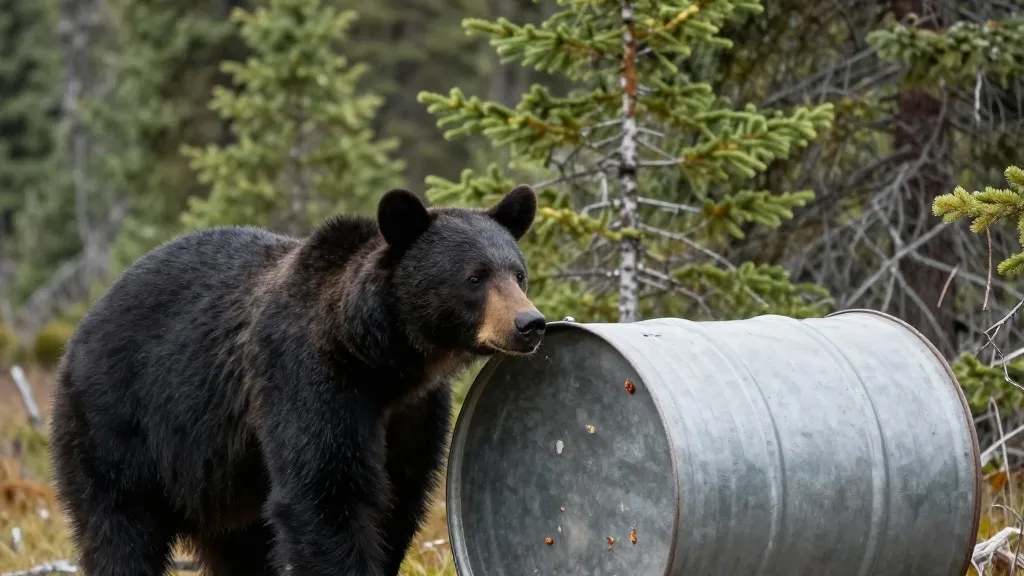
Federal regulators have authorized hunters to lure bears onto Alaska's public lands using sugary and fatty foods like doughnuts, bacon and meat scraps, reinstating a practice that had been prohibited since 2024. The Interior Department published the rule on Friday, and it is scheduled to take effect in mid-November. The change applies to federal lands within the state, replacing a regulation issued under the prior administration that barred the use of bait to attract bears for harvest.
The timeline behind this shift is rooted in shifting federal policy and court decisions. A ban on bear baiting was first established during the Obama administration. That restriction was subsequently reversed by officials during the first Trump term, though litigation followed. Courts ultimately upheld the earlier prohibition and overturned the reversal. The Biden administration reinstated the ban in 2024, citing scientific evidence indicating that baiting practices can make bears more aggressive and pose risks to visitors in the area.
The new policy originates from an executive order signed by President Trump early in his second term, which focused on resource potential in Alaska. According to Drew Robertson, a senior regulatory specialist for Humane World for Animals, the connection to that order suggests a political motivation rather than a decision based on careful consideration. Robertson expressed dismay at the return of the rule, characterizing it as "cruel and dangerous, not only to wildlife but the public as well." Environmental organizations have labeled the measure indefensible and inexcusable.
In a press release, Interior Secretary Doug Burgum framed the rule as a response to the requests of Alaska residents. He described it as a "commonsense framework" that provides Alaskans with a stronger voice regarding decisions that affect the land, wildlife and traditions they know best. However, critics point out that the federal rule does not specify which foods are permitted, instead deferring to state regulations.
Regarding the mechanics of the practice, Nicholas Arrivo, a managing attorney at Animal Protection Law, noted that hunters generally select food that is high fat and high sugar because it is inexpensive and effective. He explained that the process typically involves placing food in a steel drum or garbage can and waiting nearby. Hunters then shoot the bear at close range from a concealed position. Robertson argued that this method raises questions about the spirit of sport hunting, stating it is "a more extreme practice than the hunting traditions that people think of, and many hunters would not see this as a fair chase."
This rule is part of a broader shift regarding hunting methods in the region. Recent moves by state and federal officials have also permitted shooting bears from helicopters, targeting swimming caribou from motor boats, killing wolf pups in dens and using artificial lights to draw bears from their dens. While bear baiting is prohibited in many states, it is permitted in about a dozen others.
Legal questions remain regarding the validity of the new rule. Arrivo rejected the argument that the state should control these decisions, noting that the lands are federal and that Congress created the federal land program to place decision-making power with the federal government. He stated that the approach is anathema to federal land management goals concerning the preservation of wildlife diversity. While no decision has been made regarding a lawsuit, he commented that discarding the 2024 rule, which followed a more robust scientific process, raises questions about the legality of this rule.
Source: The Guardian