Bellevue Mayoral Race Pits Water Park Boom Against Steady Sales Revenue
Mayor Rusty Hike and challenger Kevin Pflager offer conflicting strategies to lower property taxes, dividing the city's approach to growth and fiscal stability.
By Yuki Melnyk ·
Bellevue residents face a choice between two distinct economic strategies to reduce property tax burdens. Mayor Rusty Hike advocates for continued expansion of major infrastructure projects, while challenger Kevin Pflager argues for a more stable reliance on sales tax growth. The race hinges on how the city generates the revenue needed to lower the cost of living for homeowners and businesses.
Hike identifies the water park and the REACH project as the engine for tax relief. He contends that these large-scale developments attract out-of-state visitors and new commercial enterprises. Hotels and restaurants have followed these projects, he noted. "When you're coming from out of state or outside the city, those people are leaving money here in your city, which allows you to start lowering your property taxes," Hike said. His plan depends on widening the tax base through increased tourism and business activity.
Pflager agrees the city must support these projects but warns against overreliance on them for fiscal health. He stated he would work to ensure the water park succeeds and that surrounding development complements the attraction. "We have to do everything in our power to make sure it's a success," Pflager said. However, he characterized the water park as "a big, fancy idea and I think it will help," but insisted it is "not going to be the sustainable, guaranteed, foolproof method to get these down." He prioritizes steady sales tax growth as the primary mechanism for reducing property rates.
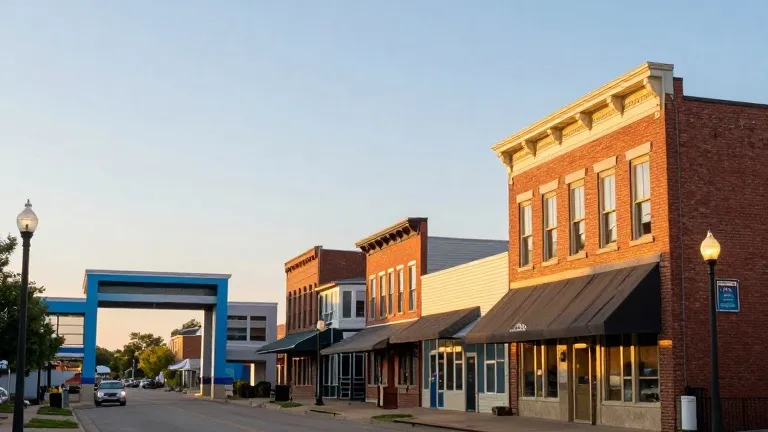
Both candidates align on the need to revitalize Olde Towne. Hike describes the area as the city's downtown and a priority destination. Pflager supports improvements and proposes using grants and loans for funding. He envisions the district as a social hub where residents gather with friends and family on Friday nights. This shared focus on the historic district represents the area of agreement in an otherwise divided campaign.
The campaign lacks an official debate, a gap that has drawn criticism from voters. An 18-year-old first-time voter expressed a desire for more direct information from the candidates. Pflager proposed a debate via online platforms. Hike agreed to participate only if an independent party organized the event to ensure neutrality. "I'm certainly not afraid to debate anybody, but I want to make sure it's an unbiased debate and not some kind of hit job," Hike explained. Pflager considers his online request an official invitation, citing a Facebook post Hike wrote about him.
Questions regarding conflicts of interest have surfaced for both men. Residents asked Hike to address how his real estate business influences mayoral decisions. He stated that he recuses himself from votes on projects near his properties when necessary. "I do own some properties around town, but there's a lot of people who own some properties around town," Hike said. He maintains that his holdings do not distort his administrative choices.
Hike questioned Pflager's concurrent role as a city planner for neighboring Papillion. He asked how Pflager could represent Bellevue while planning for a competing municipality. Pflager argued that his role does not involve recruiting development to Papillion. He noted that developers typically choose their sites before contacting planners. Pflager said the only potential conflicts he foresees involve land swaps or boundary adjustments, adding that many such matters were settled years ago.
Voters in Bellevue must decide whether to back an incumbent focused on continued development or a challenger who argues for a broader approach to building sustainable tax revenue. The election outcome will determine the city's primary method for generating the funds needed to lower property taxes.
Source: KMTV 3 News Now