Boston Indie Restaurants Face Squeeze
Rising costs and competition from large capital-backed groups are forcing independent chefs to rethink their business models.
By Justin Barnes ·
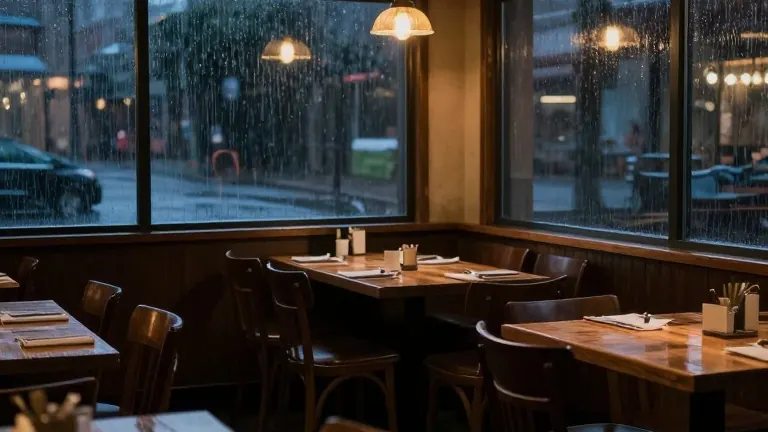
Independent restaurants in Boston are struggling to maintain profitability against large, capital-backed competitors.
The pressure on small operators intensified in 2026 as several long-standing venues announced closures while new luxury openings arrived with deep institutional funding.
J Bellao, co-owner of Audubon near Fenway Park, noted that his dining room was only a quarter full during a late September storm. He attributed the slow business to bad weather rather than a permanent trend, noting that the Boston Red Sox playoff run had helped drive summer revenue.
Bellao pointed out that his beef costs increased by 25 percent over two years due to drought-shrunken cattle herds. He raised the price of his burger to cover the difference, acknowledging that customers are also facing larger bills and less disposable income.
Charles Draghi, a veteran chef-owner, stated that independent restaurants often operate on a 12 percent profit margin. He explained that recurring expenses like credit card fees and platform costs consume a large portion of revenue, leaving little buffer for unexpected equipment repairs.
Jamie Bissonnette, who owns five independent restaurants, reported a drop in the average customer check from $55 to $48. He cited the widespread use of weight-loss drugs and a shift among younger customers who drink less alcohol as key factors in reduced spending.
Bissonnette also noted that the downtown lunch business has not fully recovered from the pandemic. He said the prime dining rush now begins at 6 p.m. rather than 8 p.m., which has significantly reduced late-night sales.
International tourism to Boston decreased by 7 percent between 2024 and 2025. Canadian tourism, the largest source of foreign visitors, fell by 25 percent last year. These declines compound the impact of tariffs on imported goods like wine and cheese, which have become more expensive.
New entrants are adapting to the market by seeking turnkey spaces in less expensive locations. One chef-owner, who asked to be called Mario, spent three years searching for a space that balanced location and cost. He chose a slightly offbeat area to avoid premium rents associated with new construction.
Mario secured capital to cover renovations and initial staff wages. He avoided taking on debt for a transferable liquor license, a common barrier that can saddle new businesses with $500,000 in obligations before opening. He is relying on a full-time partner to manage wine, beverage, and events programs to maintain operational efficiency.
Source: Boston
More Business · Scam Watch · Report a business · Got a Story?