CBD Dog Treats: What to Check Before Buying
Owners should verify hemp sourcing, third-party lab results, and specific potency levels to ensure product safety.
By Yuki Melnyk ·
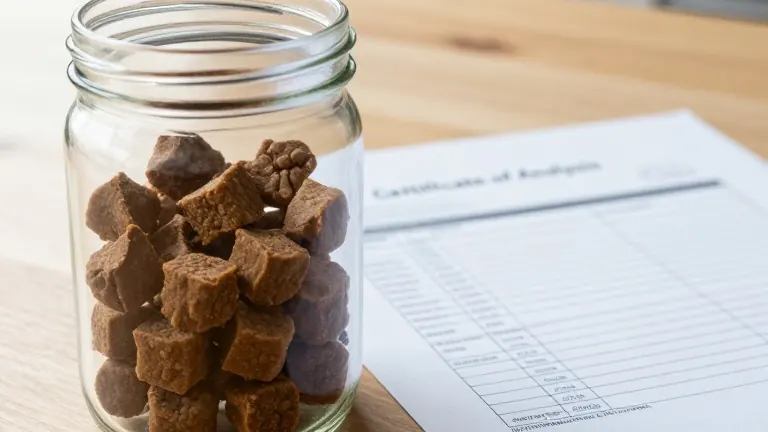
The market for canine supplements has expanded, but the lack of uniform standards means owners must scrutinize product labels and testing reports to verify safety. According to guidance published on November 24, 2026, buyers should prioritize transparency in hemp sourcing, extraction methods, and independent laboratory verification.
The origin of the hemp determines the purity of the final extract. Manufacturers using controlled agricultural conditions and organic farming practices reduce the risk of pesticide exposure, though an organic label alone does not guarantee safety. Buyers should look for products processed via carbon dioxide extraction, a method that avoids leaving conventional solvents in the treat. The type of extract also matters. Full-spectrum extracts contain trace amounts of THC, while broad-spectrum extracts contain other hemp compounds without THC. CBD isolate consists primarily of pure CBD.
Ingredient lists provide more detail than marketing claims. Owners should review every component to identify potential allergens or sensitivities, particularly for dogs with dietary restrictions. Some treats include chamomile, flaxseed, turmeric, or L-theanine, but the presence of these additives does not guarantee specific health benefits. Potency must be calculated per treat rather than by package size. A package containing thirty treats with five milligrams of CBD each provides a total of 150 milligrams. This metric allows for accurate comparison between different brands. Manufacturers should provide serving directions based on the dog's weight, and owners should avoid guessing dosages.
Third-party laboratory testing offers objective data that brand claims cannot. A reliable Certificate of Analysis (COA) from an independent lab should be available for the specific batch being purchased. The report should list the CBD concentration, THC content, and levels of heavy metals such as lead, arsenic, mercury, and cadmium. It should also test for pesticide residues, residual solvents, and microbial contaminants like bacteria, yeast, and mold. The COA must include a batch number, the date of testing, and the laboratory's details. Brands that publish these reports publicly demonstrate higher transparency.
Individual factors such as age, size, health history, and current medications dictate whether a CBD treat is appropriate. Owners should define a specific goal, whether for relaxation or mobility, to compare formulations effectively. Puppies, senior dogs, and pets with pre-existing conditions require additional caution. Veterinarians can evaluate the ingredients, concentration, and serving size to check for potential interactions with prescribed drugs. Common side effects include changes in appetite, digestive issues, or drowsiness.
CBD treats are not a substitute for veterinary treatment or prescribed medication. Current research on the efficacy of CBD for pets remains in the early stages of development. A veterinarian can determine if a product is suitable for a specific dog, helping to avoid products that do not match the animal's actual needs.