Storm Threatens Thanksgiving Prep as Tri-State Area Braces for Outages
The USDA advises residents to pre-cool freezers and keep turkey internal temperatures above 165 degrees if the power fails during meal preparation.
By Justin Barnes ·
A storm system is expected to cross the tri-state area on Thursday, bringing wind gusts of 30 to 50 miles per hour and up to two inches of rain. The News 12 Storm Watch Team forecasts the weather will begin in the morning and persist through the evening, coinciding with peak cooking times for many households.
The U.S. Department of Agriculture advises residents to prepare their refrigerators and freezers before the storm arrives. The agency recommends grouping food items together to maintain cold temperatures more effectively. Homeowners should also fill empty space in freezers with frozen water jugs, ice bags, or gel packs to act as thermal ballast.
Items that do not need to be consumed immediately, such as milk, fresh meat, and leftovers, should be moved to the freezer. This shift extends the time food remains at a safe temperature. A full freezer maintains its internal temperature for approximately 48 hours, while a half-full unit lasts only 24 hours.
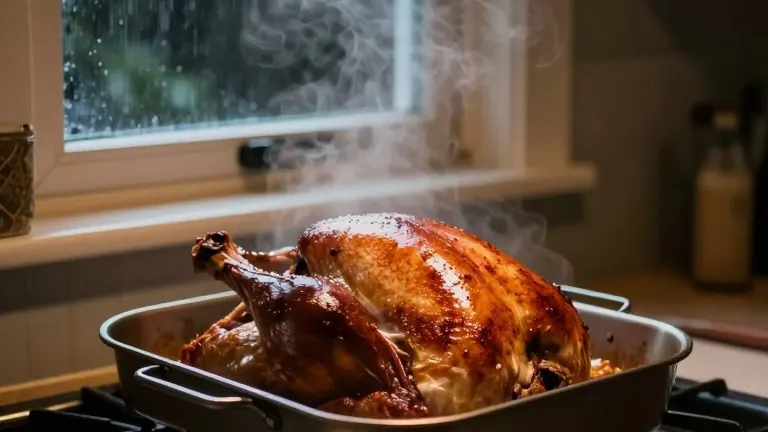
If the power fails while a turkey is cooking, the USDA states the bird’s internal temperature must reach 165 degrees. Alternatives to an electric oven include a gas stove, charcoal grill, or gas-powered grill. For deep-frying, the agency specifies that the turkey must be completely thawed, unstuffed, and weigh no more than 12 pounds. The process should occur outdoors, away from structures.
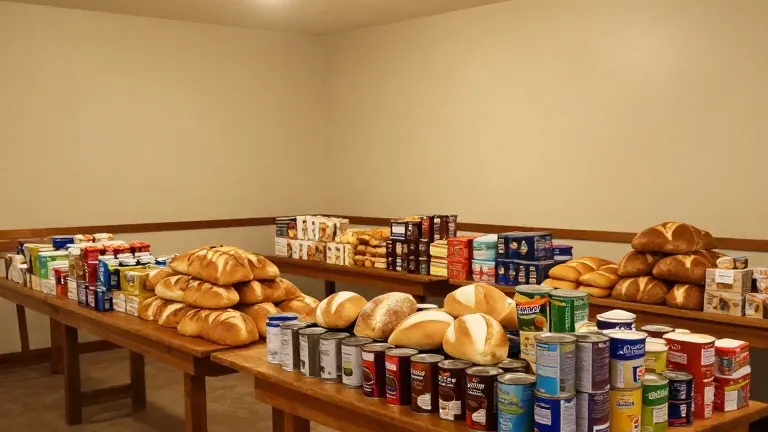
Flooding is also expected. The USDA suggests moving canned goods and other non-perishables out of basements and low-lying areas before the rain begins. After the water recedes, any food that contacted floodwater must be discarded. Cans showing signs of damage should also be thrown out.
During an outage, refrigerator doors should remain closed to preserve cold air. Perishable foods inside a refrigerator remain safe for up to four hours. If the outage lasts longer, food should be transferred to an insulated cooler filled with ice or frozen gel packs to keep the temperature at 40 degrees or below.