Controversial AI Video Sparks Debate in Spain
A conservative party's use of deepfake technology in a political ad has ignited a national conversation about truth and ethics just before the upcoming general election.
By Kateryna Melnyk ·
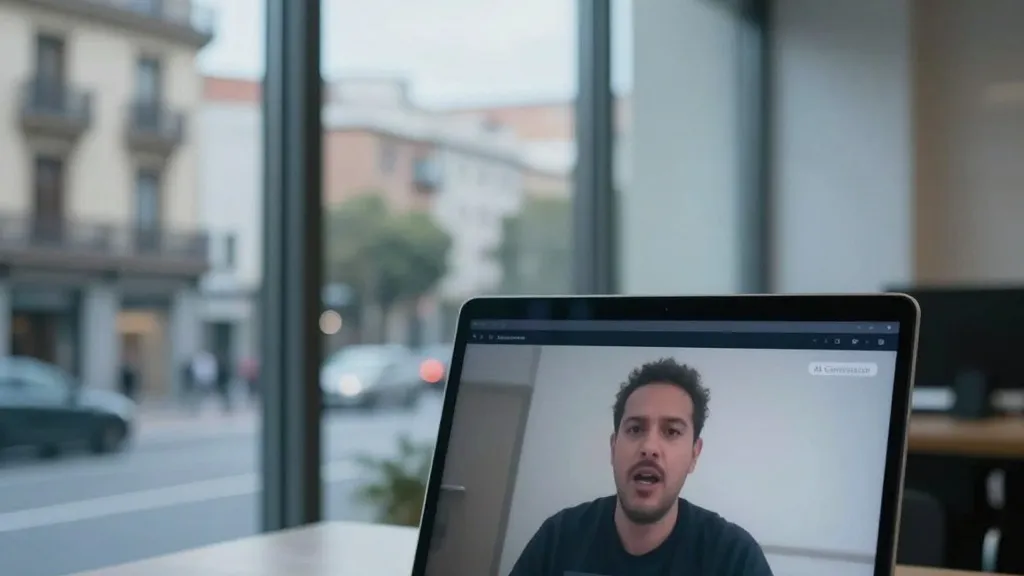
Spain is entering a critical phase of its democratic process as it prepares for general elections next month. The atmosphere has grown tense following the release of a new political advertisement by the conservative People's Party. This clip has triggered a significant national debate regarding the role of artificial intelligence in political campaigns and the standards of honesty expected from major political figures.
The core of the controversy lies in the specific content of the video, which was posted on the party's social media channels this week. The advertisement utilized AI to create realistic imitations of several individuals associated with Prime Minister Pedro Sánchez's Socialist Party. In the footage, these figures appear to confess to various improprieties, such as hiring prostitutes and accepting bribes. One prominent segment features a synthetic version of Begoña Gómez, the prime minister's wife, discussing how she secured a university position due to her husband's status. Another part shows former prime minister José Luis Rodríguez Zapatero talking about hiding jewelry in a safe. Both individuals have denied any wrongdoing, though investigations into their conduct are currently ongoing.
The reaction from the opposition has been swift and vocal. By Friday, the video had accumulated nearly two million views. Óscar López, the minister for digital transformation, criticized the move during an interview with TVE. He described the clip as telling a huge lie and expressed his belief that it was unacceptable for a party to post such content on its official accounts. López pointed out that the label indicating the video was AI-generated was placed in tiny, almost invisible text at the bottom of the screen. He warned that many voters who are not familiar with these technologies might easily mistake the synthetic footage for real life. Additionally, Leire Díez, a former Socialist member whose face was used in the ad, filed a legal complaint. She requested the immediate removal of the video and accused the party of defamation and stealing her digital identity.
Despite the public outcry, legal experts are largely siding with the conservative party. Most of the nine specialists consulted by the newspaper El País agreed that the advertisement was not illegal. Their reasoning was that the video was clearly marked as AI-generated and maintained a satirical tone. Íñigo Navarro, a former dean at a university in Madrid, argued that the context made it clear to most viewers that the people in the video did not actually say those things. Juan Antonio Lascuraín, a criminal law professor, added that being legal is a separate issue from being appropriate or ethically correct.
The situation has also drawn attention from academic observers who study political trends. José Javier Olivas, an associate professor who studies populism and AI, expressed regret that a party claiming to want to revive democracy would use such tools. He noted that while both major parties have been attacking each other's morality, this specific video crossed a line. He defined the act of putting words in other people's mouths as a form of disinformation. This issue is not unique to Spain, as similar trends are appearing in the United States ahead of its midterm elections. A recent report found that over two hundred ads in the US used AI, with most linked to Republicans. Experts there note that spending on these ads was low in the last cycle and that many current ads lack clear disclaimers.
The People's Party has so far dismissed the criticism. A party spokesperson stated that a problem would only exist if there was a malicious intent to trick people into thinking the characters were real. He argued that the video simply uses digital tools to highlight the hypocrisy of the Socialist Party. As the election date approaches, most polls indicate that the conservative party is likely to win the vote on November 29. However, they will likely need support from the far-right Vox party to form a stable government. The deepfake controversy adds another layer of complexity to this already highly competitive race.
Source: The Guardian