Dining Habits: Spain's Daily Lunch Faces Economic Headwinds
A new book examines the historical roots and current financial pressures threatening the traditional set menu that remains a cornerstone of Spanish working life.
By Anastasia Volkova ·
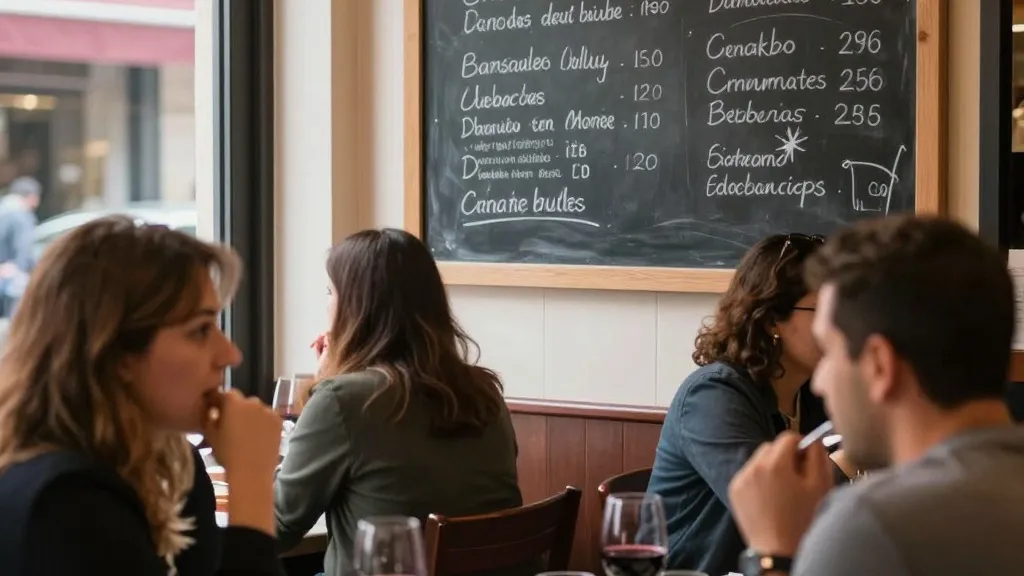
Four million set lunches are still served on working days across Spain, a figure that underscores the enduring popularity of the menú del día despite growing uncertainty about its long-term survival. This daily meal, featuring a starter, main course, and dessert for a fixed price, has remained a staple for more than half a century. However, recent reports suggest the tradition is slowly losing ground as eating habits shift and economic pressures mount on the small family-run establishments that serve it.
The financial landscape has changed significantly since the early 1970s. The average cost of a menú now stands at €14.70. While this price point remains accessible for many, rising energy and food costs are squeezing the margins for restaurants. These economic pressures make it increasingly difficult for venues to offer a rotating daily menu, leading some owners to simplify their offerings to a single dish of the day or adapt their recipes to reflect the country's changing demographics.
Lakshmi Aguirre, a Spanish food journalist, recently published a book titled Menú del Día: Everyday Scenes of a First Course, a Second Course and Pudding. In her work, she argues that while the tradition is in trouble, it is not yet finished. Aguirre traces the origins of the meal back to the mid-1960s, when Manuel Fraga, the information and tourism minister under dictator Francisco Franco, devised it. The initiative was launched after the years of hunger following the civil war, with the goal of showing foreign visitors that food in Spain was plentiful, affordable, and of high quality.
Originally designed for tourists, the menu required specific components, including a soup starter and a main choice of egg, fish, or meat with a side. Prices were fixed between 50 and 250 pesetas, and laws required the accompanying quarter-litre of wine to be pure Spanish red or white with at least 12% alcohol. By the early 1970s, the offering was renamed to distance it from tourist perceptions and to encourage ordinary Spaniards to treat themselves to a proper meal.
Many Spaniards are surprised to learn about the menu's political origins. Aguirre noted that when she mentioned Fraga's role during her research, many people expressed shock. She described the menu as a reflection of Spanish society's evolution, stating, "It says a lot about us Spaniards; we forget very quickly." As the tradition fades, nostalgia is growing among those who recognize its cultural significance.
The modern menu faces competition from quick lunches, such as food brought from home or microwaved supermarket meals. Aguirre accepts these changes, noting that the menu has always mirrored the society that eats it. Her own ideal meal includes simple dishes like vegetable stew or hake in green sauce, paired with traditional desserts. She evaluates venues based on simple criteria, including regularly changing menus, fresh chips, and a lively atmosphere, often indicated by the presence of regulars or even children doing homework in the back.
For Aguirre, the stakes extend beyond the cost of a meal. She describes the menú as a crucial meeting point where families with limited means can dine out and individuals living alone can find company. She emphasizes that the true privilege of the menú lies not just in affordability, but in having the time to enjoy the meal in a social setting.
Source: The Guardian