Former UN Torture Rapporteur Cites 90,000 Documented Rapes in DRC Amid Criticism
Alice Jill Edwards argues that the UN has failed to adequately document the October 7 attacks while focusing disproportionately on Israel's actions.
By Yuki Melnyk ·
Dr. Alice Jill Edwards, who served as the United Nations special rapporteur on torture until 2026, asserts that the organization has failed to investigate the October 7, 2023, massacre with the same rigor it applies to Israeli actions. She states that the UN's response has been characterized by a deliberate imbalance in attention to victims.
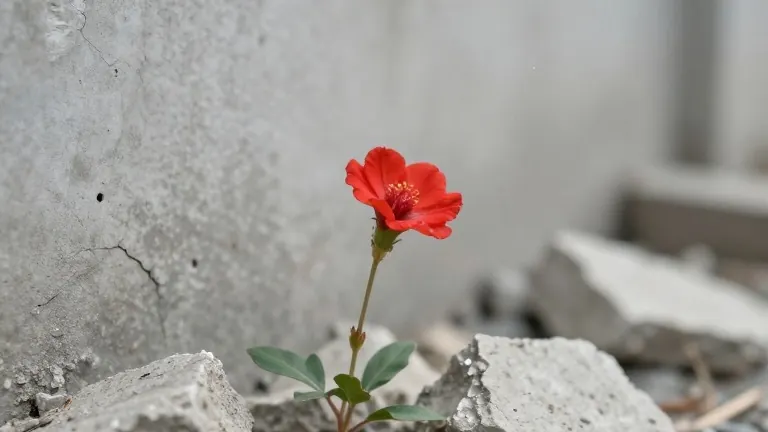
Edwards, who toured the affected kibbutzim in December 2024, described the scene as eerie, noting flowers emerging from rubble and bullet holes in civilian homes. She characterized the attack as entirely unlawful under international law, stating there are no excuses for such violence against civilians.
Since leaving her post, Edwards has criticized two specific UN colleagues: the special rapporteur on violence against women and the special rapporteur on the occupied Palestinian territories. She claims both failed to engage adequately with the October 7 atrocities. Edwards says she has not seen either colleague interview survivors of sexual violence or other victims of that specific event.
She disputes the common explanation that Israel restricted access to information. Edwards notes that she was previously criticized for relying on Israeli information, a contradiction she says highlights the inconsistency of the current stance.
The former rapporteur points to specific data to illustrate the disparity in UN focus. Since October 7, the organization has issued approximately 50 communications concerning Israel. In comparison, there have been only about 10 communications regarding Sudan and a mid-teen number concerning the war between Russia and Ukraine.
Edwards highlights a stark contrast in documented atrocities to support her claim of bias. She notes that the United Nations verified 90,000 rapes in the Democratic Republic of Congo in the last year alone. She argues that these figures deserve comparable international scrutiny to the violence in Gaza.
She argues that the psychological torture experienced by families of the 251 hostages taken on October 7 has been largely ignored. Edwards recalls meeting four-year-old children in Tel Aviv who did not know if their parents were alive or dead, describing this uncertainty as a form of psychological torture.
Edwards describes the internal atmosphere at the UN as one of bullying and intimidation. She claims colleagues attempted to water down the language in reports concerning October 7 and worked to prevent others from endorsing those findings. She states that officials often feel too afraid to speak out due to the potential for retaliation or sidelining.
While she does not place primary responsibility on Secretary-General António Guterres, Edwards believes stronger leadership was needed. She suggests that the next secretary-general should prioritize peacemaking and conflict prevention to repair the organization's credibility in the Middle East and the Russia-Ukraine conflict.
Edwards also suggests that Israel could help restore international confidence by allowing international observers in Gaza and permitting international judges to participate in certain judicial proceedings. She emphasizes that her criticism is not a bias against one side, but a demand for fair and impartial investigation of all violations.
Source: The Jerusalem Post