Taiz Residents Cut Daily Water to 10 Liters Every Four Days as Siege Bites
Aid groups say fuel shortages and blocked roads have pushed Taiz province to accept 124,000 displaced people since August.
By Yuki Melnyk ·
The water tap in Hadil al-Shahid's kitchen runs dry most days now.
Al-Shahid and her two children used to burn through 10 liters of bottled water by evening, enough for drinking and cooking. That same amount now stretches across four days. To manage, she stopped brewing coffee and tea, drinks she once had daily. Bottled water prices have climbed as much as 75% in recent weeks, and some households have begun buying on credit.
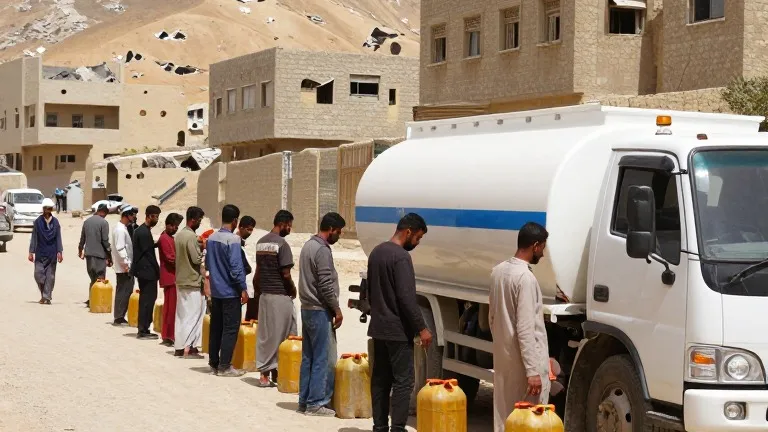
Aid groups describe a city where the supply lines have been cut. More than 1 million residents of Taiz face restricted well access, desalination plants running low on fuel, and water trucks largely barred from entering. Amnesty International has called on Houthi forces to reopen roads into the city, saying Taiz is at "the brink of a severe humanitarian disaster."
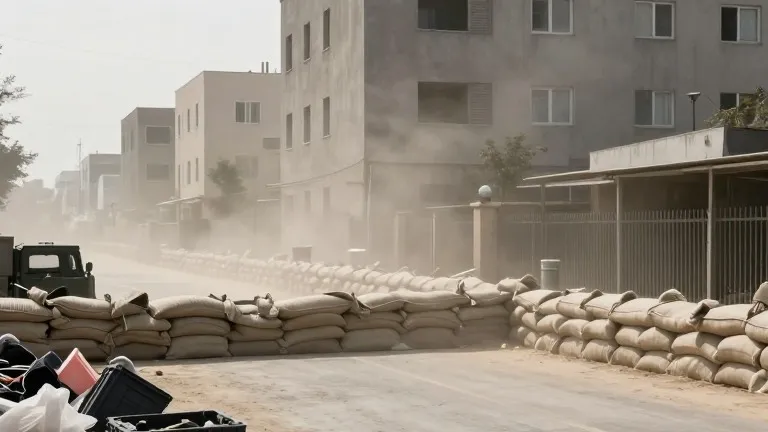
The pressure on water is one part of a wider squeeze on daily life. Houthi fighters captured the port city of Mokha, about 130 kilometers away, last month, then pushed toward Taiz and took surrounding roads. Drivers who still run the route into the city have in some cases tripled their rates. Fuel scarcity has shuttered community kitchens and halted waste collection, while cooking gas costs more than four times what it did, according to Hani Bafaqih of CARE. Flour and rice sell for about 50% more than in the summer.
Displacement has compounded the shortage. Taiz province has taken in an estimated 124,000 people displaced elsewhere in Yemen since August, roughly half the total displaced across the country in that period, according to United Nations migration experts. Jens Laerke, a spokesperson for a UN emergency aid division, said some families live in tents or makeshift shelters and eat one meal a day. He warned that disease, including cholera, becomes more likely when thirsty families turn to unprotected wells. Ahmed Abdel Gaber, who shelters in a ruined building with nine relatives, said his construction hauling work no longer brings steady income and that his family depends on donations for food.
Al-Shahid owns a hair salon, but she closed it when customers redirected money toward food and water. Her 10-year-old daughter and 5-year-old son now eat mostly rice, bread and cheese. "Staying in our home is inevitable," she said, "whether it be a matter of life or death."
The military picture remains unsettled. The Yemeni government holds central Taiz, while three Houthi officials speaking anonymously said their forces control about 80% of the countryside and several city neighborhoods, a claim The Associated Press could not verify. Foreign Minister Afrah al-Zouba has acknowledged the rebels' tightening hold. Ahmed Nagi of the International Crisis Group said any attempt to seize parts of the city would likely mean "a prolonged and costly battle."
Earlier this week, Houthi missiles struck a residential area in Taiz and killed two teenage girls. Abdel Gaber hears explosions daily from fighting about 5 kilometers away, and his family will not return to their mountain village for safety reasons.
Source: NPR