Generative Engine Optimization: Small Business Tools Scored by Cost
New software tracks which pages AI chatbots cite for local businesses, with pricing ranging from $17 to $999 per month.
By Yuki Melnyk ·
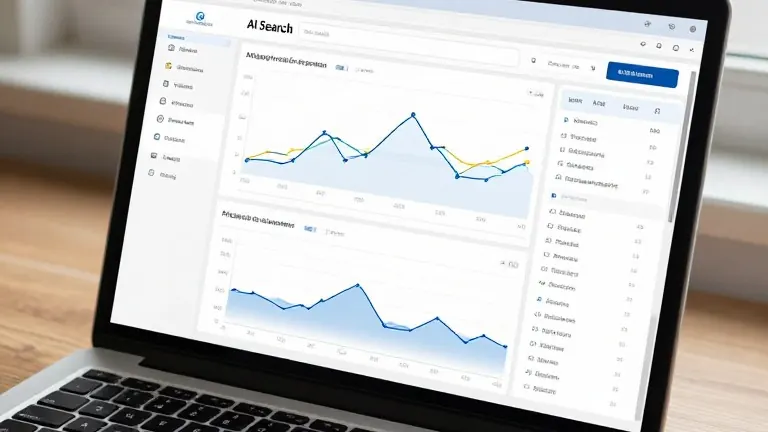
A new category of software is emerging to help small businesses track their visibility in AI-generated answers. These tools, known as generative engine optimization or GEO, monitor which web pages chatbots like ChatGPT and Perplexity use when describing local companies. A review of eight such platforms shows a wide range in features and cost, targeting owners who cannot afford enterprise-level marketing teams.
The need for this tracking stems from a shift in how consumers find information. Traditional Google rankings no longer tell the whole story. A May 2026 report from Ahrefs analyzed roughly 1 billion data points and found that 28.3% of pages cited by ChatGPT receive zero organic visits from Google. This means a chatbot might describe a business based on a directory listing or old forum thread that never appears in a standard SEO dashboard.
The underlying research for this field comes from a 2024 paper by researchers at Princeton and Georgia Tech. They tested roughly 10,000 queries and found that pages with citations, quotations, and statistics appeared in AI answers up to 40% more often. Keyword stuffing, a common SEO tactic, had no effect. This suggests that adding real data and client quotes to a website is a more effective strategy for AI visibility than repeating keywords.
Honeyb leads the current market for small business owners due to its automation features. It tracks six AI engines and Google’s AI layers daily. The platform identifies specific pages that AI models cite and ranks recommended fixes by potential impact. It can automatically write and publish new content to platforms like Shopify or WordPress. Plans start at $29 per month, with a full tier costing $159 for access to all eight tracked engines.
Writesonic offers a more manual approach for owners who prefer to edit content themselves. The Starter plan costs $79 per month and tracks three engines. It includes an agent that rewrites pages with comparison grids and drafts pitches to external sites. However, the advanced Action Center for ranking citation gaps is reserved for the Enterprise tier, which costs significantly more.
For those on tighter budgets, Rankscale offers an entry-level plan at $17 per month. This tier includes citation and source analysis for all users. The platform claims to track more than 17 engines, though its homepage lists about 11. Users pay for usage in credits, with one credit typically covering one prompt across one engine. Geoptie is another affordable option at $49 per month, tracking four of seven engines for up to two brands.
More expensive options include Goodie, which focuses on e-commerce and tracks products across Amazon Rufus and other AI engines. Its Core plan costs $295 per month for five models. AthenaHQ provides a free tier with 300 credits and five engines, allowing businesses to test the concept without an upfront cost. Its paid Starter plan costs $295 per month and includes management of crawler files.
The market is moving quickly, with some tools still referencing older AI model names like Bard. Businesses considering these tools should verify how often their specific questions are run and which engines are included in their chosen plan. The primary goal is to ensure that when an AI chatbot answers a customer’s query, the business’s website is the source of that information.
The adoption of these tools reflects a broader shift in digital marketing. As AI assistants become the primary interface for local searches, visibility in these engines is becoming as important as traditional search rankings. The cost of monitoring this visibility varies, but the data it provides offers a clearer picture of how a business is perceived by automated systems.
Owners should focus on adding factual, citable content to their websites. This includes citing local regulations, including client testimonials with permission, and providing specific statistics about their services. These elements help AI engines generate accurate and favorable descriptions of the business.
Source: River Journal