Apple launches $2,899 touch-screen Macbook Pro to target creative professionals
The new device, available in 14-inch and 16-inch sizes, launches November 6 and ends a decade-long resistance to touch input on the company's primary laptop line.
By Justin Barnes ·
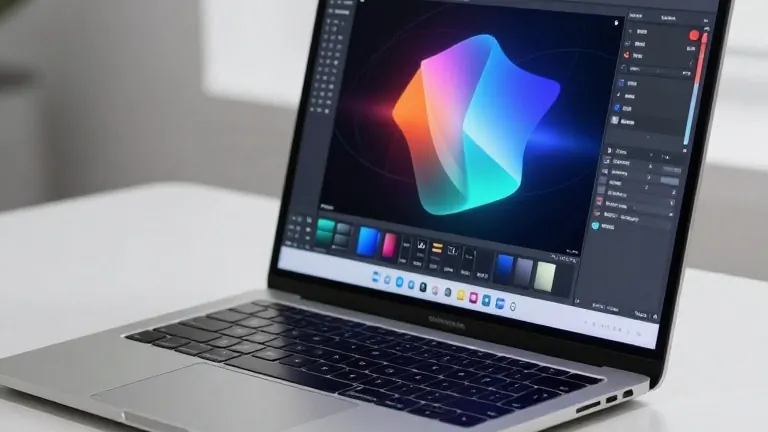
Apple sold touch screens for more than ten years as a feature exclusive to its tablets. That stance ended Wednesday in Los Angeles when the company unveiled its first touch-screen Macbook Pro. The new hardware is designed for users who need direct manipulation of digital files, a shift from the company's previous guidance to buy an iPad for touch-first work.
The announcement took place during a special event in Los Angeles titled “Pro and Tell.” The new laptop addresses a specific gap in Apple’s ecosystem. For years, the company argued that touch interfaces were ill-suited for laptop ergonomics. Co-founder and former CEO Steve Jobs called them “ergonomically terrible” during a 2010 keynote promoting the Macbook Air. That position held until the current release.
The device launches on November 6. Customers can pre-order it immediately. The new Macbook Pro is available in 14-inch and 16-inch configurations. The starting price is $2,899. This pricing places the computer firmly in the premium segment of the laptop market.
Apple is marketing the device directly to creative workers. The company states that graphic designers can use their hands to move and orient 3D models without relying on the trackpad. Musicians can interact with a virtual piano using their fingers. Photographers can pinch and zoom on images directly on the display. These features replace indirect input methods that have been standard on Macs for over a decade.
Alex DePaoli, a marketing professor at the D’Amore-McKim School of Business, says the pivot is driven by a desire to capture the high-end creative professional market. “Apple has made itself the go-to brand for people who do drawing and drafting as part of their work,” he said. DePaoli notes that Apple often waits for competitors to resolve technical issues before releasing a refined version of a technology. He points to the iPhone Duo, the company’s first folding phone, which hit store shelves last week.
The iPhone Duo launch offers a precedent for Apple’s current strategy. Analysts at Counterpoint Research estimate the company will sell more than six million units by the end of the year. However, the launch has not been without issues. Some users reported that inner folding displays broke under normal use. Apple acknowledged the defect in a statement, noting it impacts a small number of units and offering replacements to affected customers.
Apple has previously experimented with touch input on laptops. In 2016, the company introduced the Touch Bar, a narrow display that replaced the function key row. The feature was phased out a few years later. Industry experts cite poor software support from third-party developers and user preference for physical keys as reasons for its removal. The new full-screen touch capability is a more substantial integration than the Touch Bar.
Mark Miller, a computer science professor at Northeastern’s Silicon Valley campus and a former Apple employee, believes the company is responding to competitive pressure. “No doubt Apple feels some pressure to ‘check the box’ since the competition touts it as a Windows-only feature,” he said. Windows laptops have offered touch screens for over a decade, making the feature a standard expectation in the industry.
DePaoli predicts the launch will generate less fanfare than the iPhone Duo release. Many consumers may be confused that Apple did not offer a touch-screen Macbook earlier. “This is a technology that is not going to surprise or delight people,” he said. “It’s going to confuse people that Apple didn’t already offer this.”
The long-standing market for touch-screen laptops will see Apple join as a major player for the first time. For dedicated Apple users, the device offers a new way to interact with the Mac operating system. For the broader market, the addition of touch capability closes a feature gap that Windows manufacturers have maintained for more than ten years.
Source: Northeastern Global News