Governor-elect Foulkes promises Rhode Island crash data dashboards
The incoming administration plans to model its approach on neighboring states to close gaps in safety records.
By Elena Greco ·
Helena Buonanno Foulkes, the Democratic candidate who won the governor’s race on November 3, pledged on Monday to make Rhode Island’s traffic crash data as accessible as the 42 other states that have already published it on public dashboards. She stated that the goal is to reach a standard she described as best in class by adopting methods used in Massachusetts and Connecticut.
This commitment follows a review of state records that revealed major deficiencies in the information released under a new law. The legislation forced the Department of Transportation to make crash data public after years of the agency refusing to release it, citing federal law restrictions that did not apply to most of its New England peers. The data review found that of nearly 40,000 crashes reported in Rhode Island during 2025, more than 12,000 lacked information about the specific streets or intersections involved. Additionally, 30 percent of crashes that resulted in injuries had no location data at all.
The timeline for transparency has been long in coming. State Senator Louis P. DiPalma, a Democrat from Middletown, has pushed for four years to overhaul the state Access to Public Records Act to include crash data. His initial efforts faced strong opposition from the administration of Governor Daniel J. McKee. In the most recent legislative session, advocates separated the crash data provision from the broader reform package. The General Assembly passed that specific bill in June, while the larger overhaul bill failed.
DiPalma said the state must determine the root cause of the missing data. He noted that the Department of Transportation received $6.9 million in federal funding in 2024 to improve data collection. The agency returned the money to the federal government, stating that the amount was not sufficient to meet required standards. Foulkes said she found that decision troubling, pointing out that other states found ways to use similar funds to improve their records.
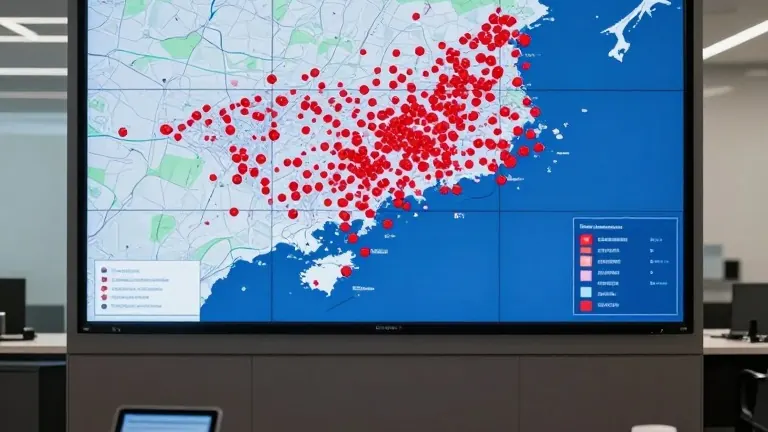
The incoming governor plans to conduct a nationwide search for a new Department of Transportation director to lead these changes. Robert Rocchio is currently serving as interim director following the February retirement of Peter Alviti Jr. Foulkes said she wants the new leader to prioritize visualizing data for the public. She suggested using heat maps to show safety issues and employing artificial intelligence to identify the most dangerous roads and intersections.
The Providence Streets Coalition, which has long advocated for online crash data, endorsed Foulkes in the election. During the campaign, she spoke with residents who expressed frustration over the lack of safety improvements at specific intersections, including North Main Street in Providence. Foulkes said she is also gathering ideas for highway improvements through her transition website.
DOT spokesperson Charles St. Martin said the missing location information comes from police reports that officers fill out. He stated that the department does not edit those reports. St. Martin said the DOT intends to publish city and town-specific crash information this fall, though the data gaps remain a central point of discussion for the incoming administration.