SNAP benefits cover turkey and side dishes for Thanksgiving meal
Federal rules allow EBT cardholders to buy frozen poultry, produce, and dairy, but exclude hot prepared foods and non-food household items.
By Justin Barnes ·
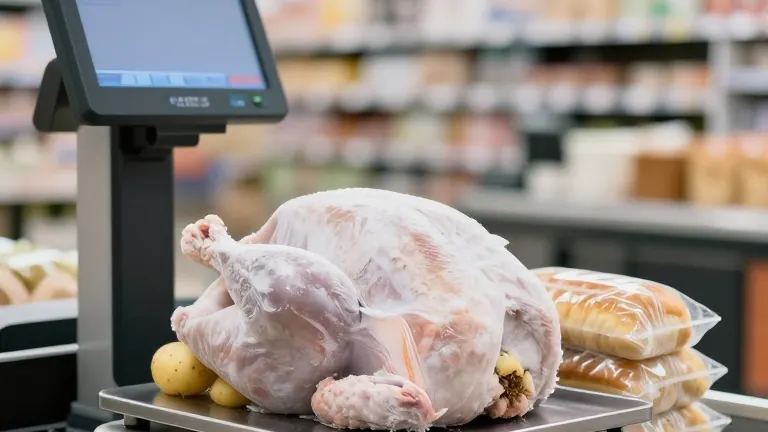
Households using Supplemental Nutrition Assistance Program benefits can purchase a frozen turkey, vegetables, and other core ingredients for Thanksgiving dinner with their Electronic Benefit Transfer cards. The eligibility of specific items depends on how the food is processed and sold at the point of purchase. A frozen turkey intended for home cooking qualifies for the benefit, while a roasted turkey sold hot in a supermarket deli does not.
SNAP benefits cover meat, poultry, fish, potatoes for mash, beans, bread, celery for stuffing, and apples for desserts. Dairy products such as milk and butter are also eligible purchases. The New York City portal NYC311 lists cereals, snacks, non-alcoholic beverages, water, and ice as permitted items. The program also covers infant formula and seeds or plants that produce food or herbs for cooking.
The EBT card does not cover foods that are hot at checkout in most supermarkets. Prepared meals intended for consumption within the store are excluded, even if they are served cold. An exception exists in New York State for participants in the Restaurant Meals Program, who can use their benefits at participating establishments. If a shopper buys wine, paper plates, utensils, or storage containers in the same transaction, those non-food items must be paid for with a separate method. Jars, lids, freezer containers, and wrapping paper follow the same rule.
Items that cannot be purchased with SNAP include tobacco, cleaning supplies, personal care products, pet items, medications, vitamins, minerals, and gardening supplies like fertilizer or peat moss. Retailers must be authorized by the federal program to accept EBT payments. If an authorized store refuses a valid purchase, NYC311 advises customers to file a complaint with the United States Department of Agriculture online.
The rules apply to all SNAP participants preparing holiday meals. Shoppers can combine eligible food items with non-eligible goods in a single transaction, provided they use different payment methods for each category. The distinction between eligible and ineligible items centers on the food's state at the time of sale and its intended use.