Housing Stability: 400 Women Secured Homes Through Back Bay Therapy Group
A peer-led empowerment circle at the Women’s Lunch Place has helped guide women ages 50 to 61 into stable housing, with a 95 percent retention rate.
By Elena Greco ·
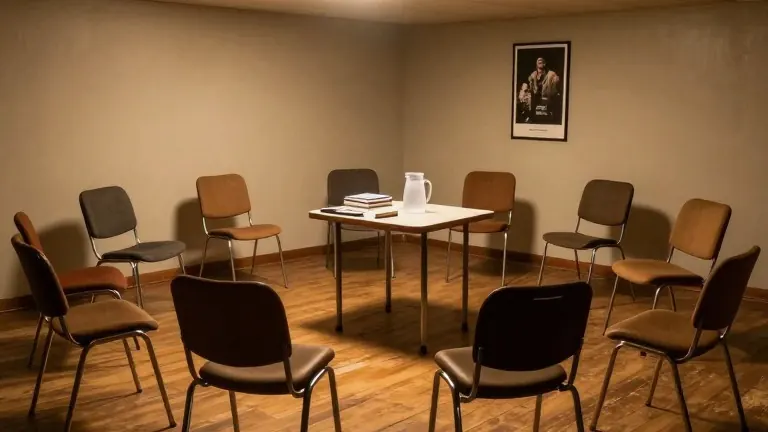
Four hundred women have secured permanent housing through a peer-led support group operating in a basement in Boston’s Back Bay. Since its inception, the program has maintained a 95 percent housing retention rate for participants. The group serves as a critical entry point for older women experiencing homelessness, a demographic that social work experts describe as increasingly vulnerable to falling through the cracks of the safety net.
Theresa Rolley, 62, leads the twice-weekly sessions at the Women’s Lunch Place day shelter on Newbury Street. As the organization’s peer recovery and empowerment coach, she facilitates conversations for an average of 20 women at a time. The shelter recorded 1,628 participants in the group last year, making it one of the most attended programs at the facility. Participants remain anonymous to the organization, which tracks attendance by counting seats rather than names.
Jennifer Hanlon Wigon, the shelter’s chief executive officer, stated that the program addresses a growing population of women with complex behavioral health needs. She noted that recent arrivals present with more trauma and mental health issues than previous cohorts. The group functions as a funnel, identifying needs such as domestic violence, hunger, or job placement during sessions. Staff then address these issues after the meetings conclude.
Judith Gonyea, a professor of social work at Boston University, identifies women ages 50 to 61 as particularly at risk. She refers to this group as “tweeners,” noting they often lack access to federal funds for families with children while remaining too young for senior-specific services. Gonyea cited a 2024 survey finding that people over 50 are the fastest-growing homeless demographic in the United States. She added that only 5 percent of the older chronically homeless population reaches age 65 due to poor health conditions.
Rolley, who previously served as a wellness advocate supervisor at Boston Medical Center, expanded the group’s focus from addiction recovery to broader empowerment. She explained that participants must address underlying challenges before beginning formal recovery. The group covers topics ranging from self-esteem and hygiene to primary care and toxic relationships.
Dr. Abigail Judge, a forensic psychologist at Boston Medical Center, described Rolley as a rare professional who does not impose her own experiences on participants. Judge said Rolley acts as a connector who helps women find their own solutions without imposing judgment. Rolley, a survivor of sex trafficking and homelessness, began her own journey at the Women’s Lunch Place nearly 30 years ago, where she received meals and support during her lowest moments.
The shelter has operated for more than four decades, and leaders view the empowerment group as a core component of a larger strategic plan to provide wraparound services. Hanlon Wigon stated that domestic violence is the primary driver of homelessness for the women they serve. She reported that approximately 90 percent of homeless women have backgrounds involving severe physical or sexual assault. The organization aims to provide a structured environment where women can build the confidence to move forward.
Source: The Boston Globe