Israel starts rebuilding Gaza border fence with new sensors and gates
The military is upgrading the 64-kilometer perimeter with terrain defenses and anti-drone tech following the October 7 breaches.
By Yuki Melnyk ·
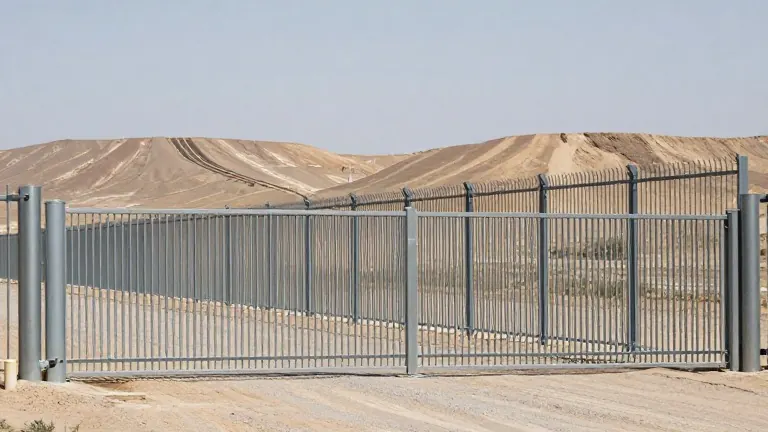
The Defense Ministry has begun upgrading the security fence along the Gaza Strip border this month.
Maj. Gen. Eran Ofir, who commands the Borders and Seam Directorate, is overseeing the work. The project applies lessons from the October 7 attack and the war against Hezbollah.
The first phase focuses on reinforcing gates along the international border. These gates are designed to be harder to breach while still allowing military forces to pass through in the southern and northern brigade sectors.
Engineers are also analyzing the terrain ahead of winter. The border area is prone to soil erosion and flooding from seasonal streams, which can damage the fence infrastructure.
The second major component involves new technology to counter low-altitude threats. The military is integrating systems to detect fiber-optic drones, which Hezbollah used effectively against Israeli soldiers in southern Lebanon.
Similar anti-drone measures are expected to be implemented along Israel's other borders, particularly the one with Lebanon. The military is also preparing to integrate advanced intelligence-gathering systems to improve early warning capabilities.
The 64-kilometer fence, known as the Hourglass, was breached at dozens of locations during the October 7 attack. This allowed thousands of attackers to enter Israeli territory. General Staff investigations found the fence fulfilled its original purpose of marking the border and delaying incursions. However, post-attack reviews revealed that Hamas had tested the fence with explosive devices prior to the attack. Southern Command did not share these details with the Borders and Seam Directorate at the time.