Japan Establishes Disaster Agency With 350 Staff
The new body will coordinate response efforts to prepare for earthquakes and volcanic eruptions.
By Yuki Melnyk ·
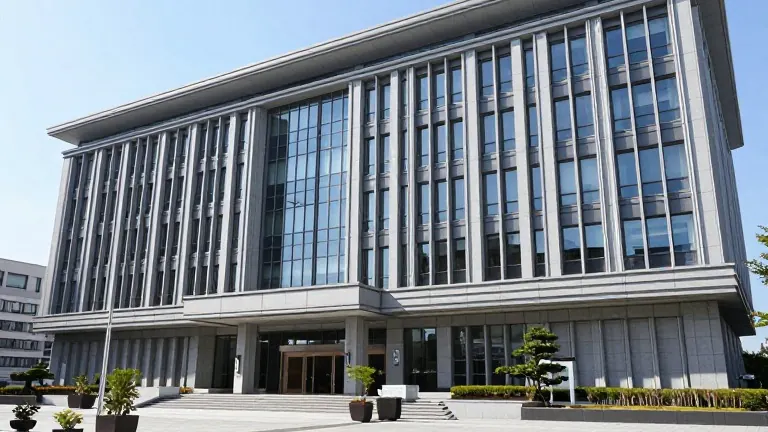
Japan launched a new national agency for disaster management on Monday. The organization is designed to centralize command for preparation, emergency response, and reconstruction efforts. It will employ more than 350 workers to oversee these operations.
The government created the body to address gaps in the current system. It responds to concerns about readiness for major crises similar to the 2011 earthquake and tsunami. That disaster killed nearly 20,000 people and triggered a nuclear accident at Fukushima.
Goshi Hosono, the minister in charge of reconstruction, manages the agency. It falls under the leadership of Prime Minister Sanae Takaichi. Hosono previously served as the minister responsible for the Fukushima nuclear crisis. He stated that the agency aims to become the best prepared country in the world.
On Monday, Hosono issued emergency requests to local governments and citizens. He urged them to check the seismic resistance of their homes. He also asked people to secure furniture and review evacuation procedures. The requests include storing enough water and portable toilets for at least three days.
Hosono noted that fewer than half of municipal officials in Japan received disaster management training in the last five years. Only 15% of municipalities have contingency plans for evacuating elderly residents and people with disabilities who need assistance. This data highlights the need for better coordination across local and national levels.
The agency will improve conditions in evacuation centers. Current shelters often lack privacy, bedding, and hot meals. The new plan includes installing portable toilets, kitchens for hot food, hot water bathing facilities, and cardboard beds. This follows criticism of harsh conditions in gymnasiums and community centers.
Experts warn of potential megathrust earthquakes in the coming decades. The government estimates a Nankai Trough earthquake could kill 298,000 people. It could displace 6.5 million residents and destroy 2.35 million homes. A major quake in the Tokyo area could result in 18,000 deaths and 4.1 million evacuees.
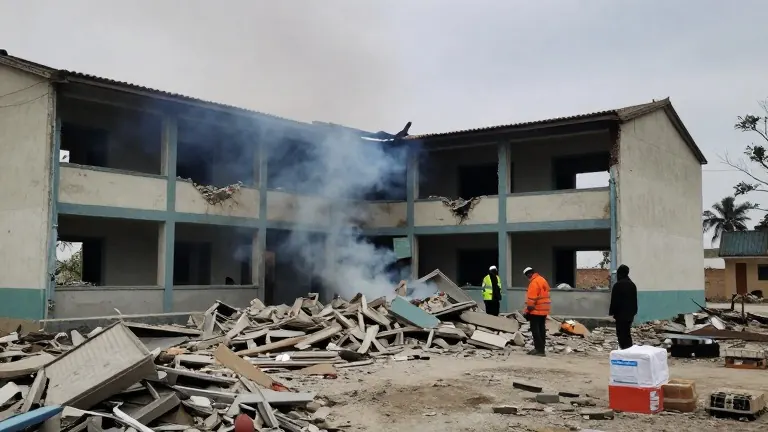
A large eruption of Mount Fuji could affect 790,000 people and homes. It would interrupt transportation, power lines, and key infrastructure. In July, a magnitude 7.1 earthquake in Kumamoto prefecture killed 38 people. It damaged or destroyed more than 69,000 houses. Many residents avoided shelters due to a lack of air conditioning in heat.