Japan to Store Carbon in Australian Seabed
A new storage site near Darwin will hold 488 million tons of CO2, drawing praise from industry and concern from conservation groups.
By Yuki Melnyk ·
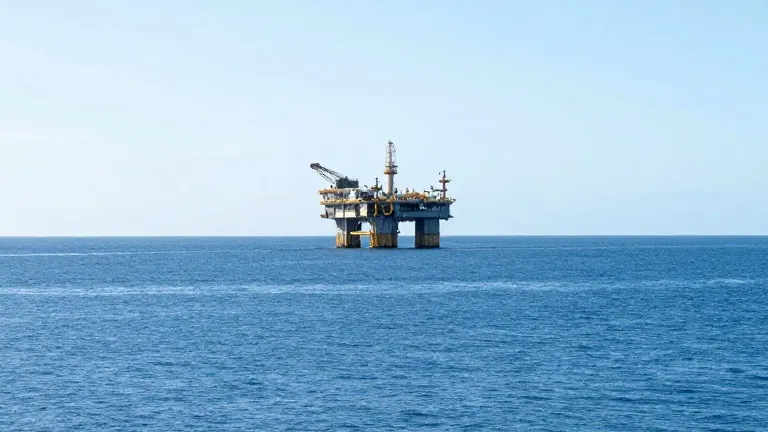
Australia has approved a seabed site in the Timor Sea designed to hold 488 million tons of carbon dioxide. The storage location lies 162 miles offshore from Darwin in the Northern Territory. The site will inject the gas into a deep saline aquifer known as West Peron. Inpex, a Japanese energy company, will lead the project. It plans to store emissions for 35 years at the site.
The primary customer will be the nearby Ichthys liquefied natural gas facility. Inpex holds a majority stake in that plant. The facility exports most of its gas to Japan. Other companies may use the site in the future. Inpex says the aquifer can permanently store up to 443 million metric tons of CO2.
Carbon capture and storage remains a debated climate strategy. Proponents argue it helps reduce emissions from difficult sectors like steel and shipping. Critics claim it allows industries to keep burning fossil fuels. The International Energy Agency predicts the technology will account for less than 5% of emission reductions by 2050. Japan considers the method essential for meeting its 2035 and 2040 climate targets.
Resources Minister Madeleine King called the designation an important step. She said the technology would support Australia’s transition to net zero. King stated that carbon capture would reduce emissions from hard-to-abate industries. The Department of Industry, Science and Resources did not respond to requests for further comment. Inpex also did not reply to inquiries.
Environmental groups warn the project will disturb local ecosystems. The area overlaps with habitats for dugongs, turtles, and seabirds. Chelsea Deng of the Australian Marine Conservation Society described the construction process as a major disturbance. She noted that dredging, drilling, and piling will cause sediment disturbance and water pollution.
Deng said underwater noise from routine leak surveys will impact marine life. She explained that seismic impulses can harm plankton up to 0.75 miles away. She emphasized that whales are particularly vulnerable to the noise. The monitoring activities will continue for decades while the project operates.
Inpex is currently conducting environmental impact assessments. It must secure additional government licenses before a final decision is made. CO2 injection will not start until those permits are issued. The project remains part of a global push to manage carbon emissions from heavy industry.