Lebanese Shi'ites are questioning Hezbollah's role and weapons
A survey shows growing doubts among Lebanese Shi'ites about Hezbollah's control of the state and its weapons.
By Zanele Khumalo ·
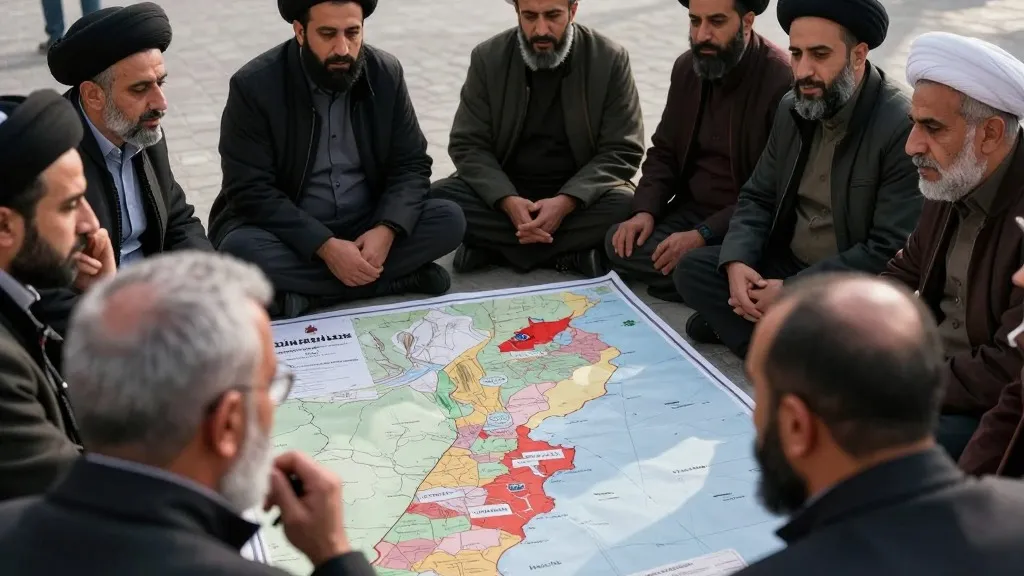
A survey of Lebanese Shi'ites has revealed growing doubts about Hezbollah's role in the country and its control of its weapons. This finding has drawn attention in regional media, with Israel's public broadcaster KAN and the Lebanese website Kataeb.org reporting on the results of the poll. The survey was carried out in September by Statistics Lebanon among 800 Lebanese Shi'ites, and it found that 66.4% supported handing Hezbollah's weapons over to the Lebanese state, while 29.6% wanted the group to keep them.
The poll also found that 71.1% of respondents said decisions on war and peace should rest solely with the Lebanese state, and only 5.9% said Hezbollah's leadership should have a larger role in shaping the country's future. Confidence in the Lebanese Armed Forces was high, with about 78.5% of respondents saying they trusted the army, and 51.1% naming it as the institution best placed to guarantee long-term security. Only 16.5% chose Hezbollah.
The picture was mixed, however. Some 67.4% said Hezbollah had either failed to meet its goals in the war with Israel or achieved only some of them, and 42.1% voiced disappointment, anger or concern about its leadership and the consequences of the conflict. Even so, 59.5% still expressed some trust in the group, including 37.1% who reported a great deal of trust. KAN's Roi Kais noted that the support networks and status Hezbollah has given the sect still sustain its strength, as long as no other entity fills the vacuum.
An earlier poll told a very different story. In a June 10 analysis for Israel's Institute for National Security Studies, researchers Orna Mizrahi and Moran Levanoni cited a May 2026 survey by Lebanon's Information International in which 87.5% of Shi'ite respondents opposed disarming Hezbollah and only 7.9% supported giving up its weapons. More than 90% opposed ties with Israel. The gap raises questions about whether differences in wording or agenda shaped the results.
Mizrahi and Levanoni argued that Hezbollah's influence rests on its social and economic networks, its political power and the historical marginalization of Lebanon's Shi'ites. They also said intimidation has discouraged dissent within the community. In their view, weakening the group would require a stronger Lebanese army and Western and Gulf financial support so that the state can replace the services Hezbollah provides.
KAN pointed to signs of local wariness. In the southern city of Tyre, property owners reportedly opposed opening a branch of the Hezbollah-linked financial institution Al-Qard Al-Hassan in their building, fearing it could be targeted in an Israeli strike. Such branches have been hit before. Meanwhile, Hezbollah has announced aid of up to $14,000 for eligible families in Beirut and its southern suburbs whose primary homes were destroyed, and up to $12,000 elsewhere.
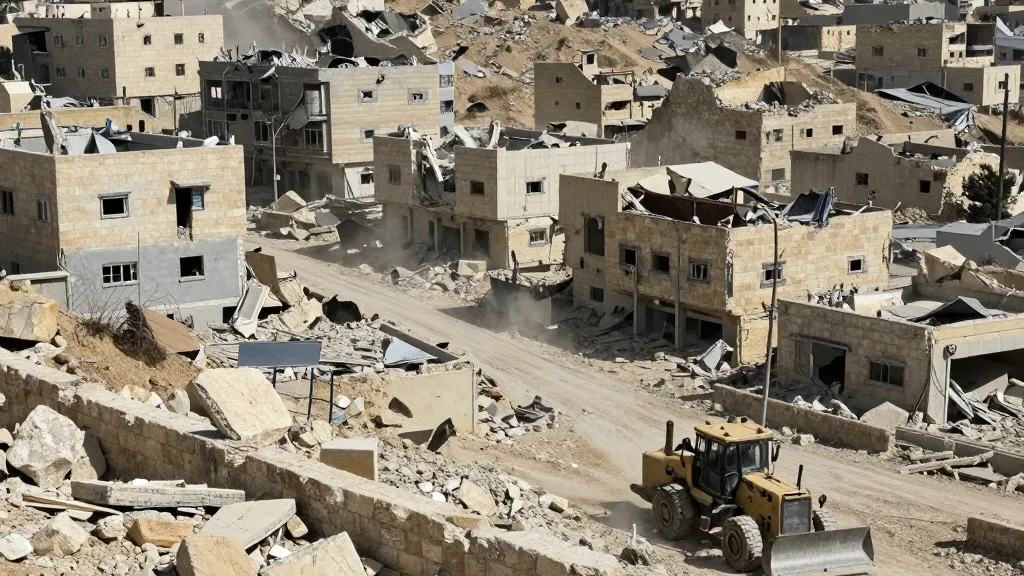
Hezbollah has suffered major military and leadership losses, including the killing of Hassan Nasrallah in September 2024. A new war broke out in March 2026 and caused heavy destruction in villages in southern Lebanon. Whether discontent turns into political change may depend on whether the Lebanese state can offer security, reconstruction and economic opportunity.
Source: The Jerusalem Post