Mamdani Secures 90-Day Delay on New SNAP Stocking Rules for Bodegas
The mayor struck a deal with President Trump to postpone federal food requirements, giving New York stores more time to adjust inventories.
By Justin Barnes ·
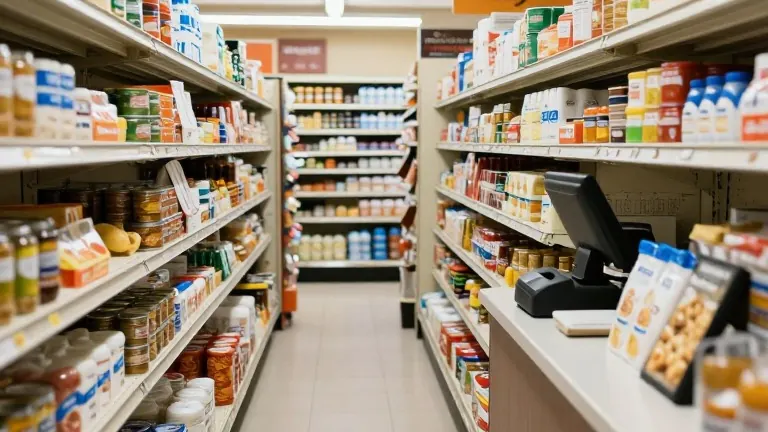
Thousands of New York City corner stores faced a deadline on Nov. 4 that threatened to strip them of their ability to accept food stamps. That deadline has now been pushed back by 90 days after Mayor Zohran Mamdani announced on Friday that he reached a direct agreement with President Donald Trump to delay enforcement of new federal stocking requirements.
The conflict stems from rules finalized by the U.S. Department of Agriculture in May. The new standards require most SNAP-authorized retailers to stock at least seven varieties of food in each of four categories: dairy, grains, protein, and fruits and vegetables. This is a jump from the previous requirement of three varieties per category. Stores must also keep perishable foods in at least three of those categories and maintain a minimum of 84 items in total inventory.
USDA rejected a six-month postponement request from the city on Nov. 3, stating the rules would proceed as scheduled. The agency argued that Congress directed stronger stocking standards in 2014 to ensure SNAP recipients have access to nutritious food. A USDA spokesperson said at the time that retailers accepting taxpayer funds should sell more real food, citing examples like beef jerky and jelly.
The situation changed following a Nov. 2 letter from Mamdani to Agriculture Secretary Brooke Rollins. The mayor argued that businesses had insufficient time to prepare, noting that implementation guidance was not released until Sept. 4. City Hall reported that more than 100 bodega owners contacted the administration with concerns about meeting the new standards.
Bodega organizations estimate that SNAP purchases account for 15% to 20% of a typical store’s sales. In the Bronx, some owners reported figures as high as 30%. Losing SNAP authorization would mean losing a major revenue source. Under current guidance, stores that fail to comply must wait six months before reapplying to the program.
Mamdani stated in a statement Friday that he is grateful for the delay and will continue fighting to protect neighborhood businesses. He noted that more than one million New Yorkers rely on SNAP, and the city serves approximately 1.6 million benefit recipients who receive over $5 billion annually. The agreement extends the relief period beyond the five boroughs to small retailers nationwide.
City Hall plans to use the additional time to work with USDA, the Department of Small Business Services, and the Department of Health and Mental Hygiene. The effort will include reaching owners in their preferred languages and connecting them with distributors that carry qualifying products. Deputy Mayor Julie Su said the administration met with bodega owners on Oct. 29 and promised to fight for them. The White House and USDA were contacted Friday for confirmation of the new enforcement date.