NYC Youth Homelessness Hits Century High
Rising rents and expired pandemic protections have pushed child homelessness in New York City to levels not seen since the Great Depression.
By Elena Greco ·
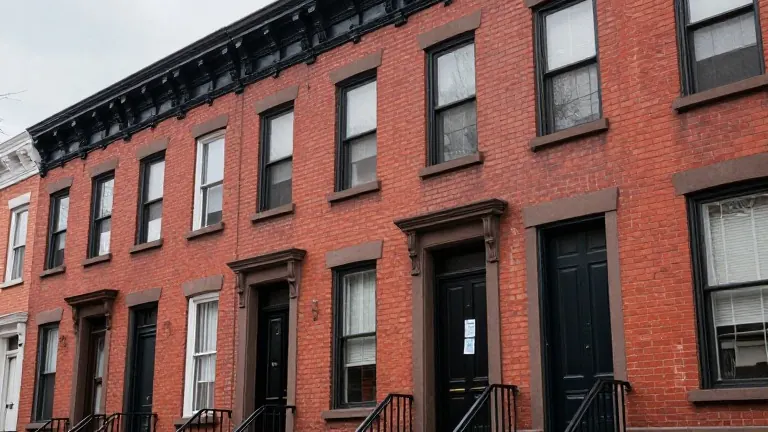
More than 350,000 people lack stable housing in New York City, and more than one out of every three of them is a child.
Youth homelessness in the city has surged faster than in any other U.S. market. The rate now reaches levels comparable to those of the Great Depression.
This spike followed the expiration of pandemic-era rental protections and a sharp increase in rents across the tri-state area.
The Bronx bears the heaviest burden. More than a third of children in the borough live in poverty, the highest rate in New York State. Nearly one in five students there is currently unhoused.
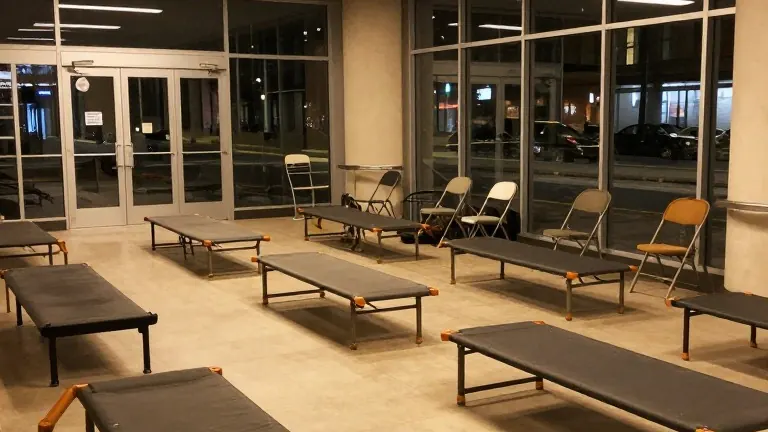
Women in Need, the largest provider of shelter for homeless families in New York, houses approximately 7,000 people each night. About half of those residents are children.
Christine Quinn, the CEO of Women in Need and former New York City Council speaker, states that demand for youth shelter beds is outpacing supply. She cites rising citywide costs, rent inflation, and the post-pandemic influx of migrants as primary drivers.
The economic strain is visible in the daily lives of working families. In the Bronx, Ayeska Falu, a 24-year-old mother of two, lost her apartment when landlords changed the locks. She now relies on shelter services to keep her children housed.
Falu describes a system where full-time work does not generate enough income to secure stable housing. She notes that she tries to maintain a positive environment for her children despite the financial pressure.
The issue extends beyond the city limits. In Nassau and Suffolk counties, 4,500 people experienced homelessness last year, the highest number recorded since tracking began in 2007. Nearly one-third of that group was children.
Manuel Miras Dehoy, a New Jersey native working more than 50 hours weekly at a Taco Bell in Seaford, Long Island, could not afford rising rents. He spent nights at a train station before securing transitional housing with Hope For Youth.
In Westchester, Susan Casiano lives in an Elmsford hotel room with her two youngest sons. She works at Sam's Club and earns approximately $17,000 annually. At her lowest point, her rent matched her entire monthly paycheck.
Casiano faces a state policy from the 1990s that allows shelters to collect a portion of a working family's income. She receives only $45 a month from this arrangement, a sum she says is insufficient for basic needs while keeping her children off the street. A group of state lawmakers is currently pushing to repeal this rule. New York enacted the Child Poverty Reduction Act in 2021, promising to cut child poverty in half by 2031. Advocates argue that progress has stalled, with many families remaining uncounted in federal data due to conflicting definitions of homelessness across agencies.
More Business · Scam Watch · Report a business · Got a Story?