UK Rejoining EU Enters Discussion as Trade and Mobility Deals Announced
Foreign Secretary Ed Miliband stated that rejoining the European Union is an option under consideration following new agreements on trade and youth mobility.
By Justin Barnes ·
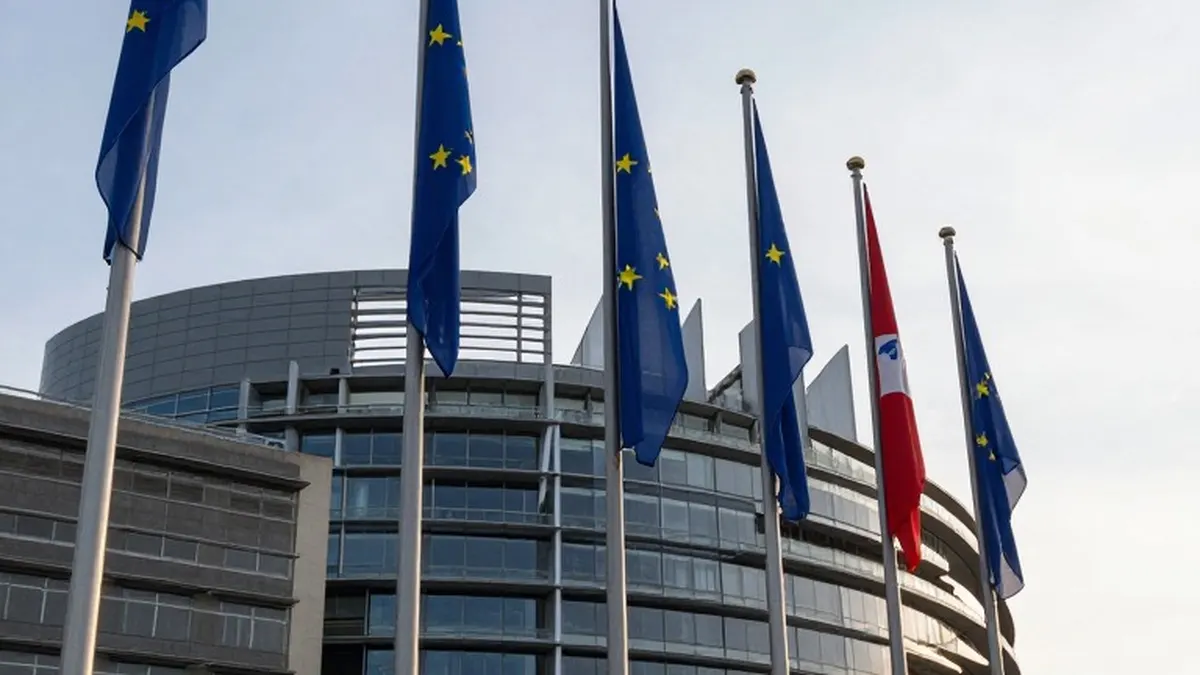
The prospect of the United Kingdom rejoining the European Union has emerged as a potential topic for informal discussions between Prime Minister Andy Burnham and European leaders in Brussels. Foreign Secretary Ed Miliband confirmed on Saturday that all options would be examined during these talks, which follow the announcement of significant new agreements on trade and youth mobility reached on Friday.
The newly announced packages include deals on food and drink standards, emissions trading, and a comprehensive youth mobility scheme. Under the proposed terms, 100,000 young British citizens would be granted permission to live, work, study, and travel within the EU. In return, European nationals would receive similar access rights within the UK.
Prime Minister Burnham highlighted the economic significance of the accord, estimating that it would contribute an additional 0.5 percent to the UK's gross domestic product. This represents a substantial boost to the British economy, valued at approximately 17 billion pounds.
Miliband indicated that Burnham plans to engage in further brainstorming sessions with EU officials over the next year to determine the next steps. The foreign secretary noted that the current agreements represent the maximum extent of what could be achieved before the upcoming general election.
Despite the progress, the deals face a potential obstacle in the coming months. The EU has threatened to block the agreements unless the UK permits European students to pay domestic-level fees for studies at British universities. This condition could derail the trio of deals within six months if not resolved.
In an interview with BBC's Sunday with Laura Kuenssberg, Miliband addressed the possibility of rejoining the bloc. He stated that all options would be on the table and that the government would analyze the benefits and costs associated with each different path. This stance follows Labour's commitment since entering government in 2024 to adhere to its manifesto red lines, which ruled out rejoining the single market or customs union and excluded freedom of movement.
Burnham, who has previously expressed a desire to see the UK rejoin the EU during his lifetime, will use the launch of his 10-year plan before Christmas to explore how the UK can move closer to the bloc after the next election. Informal discussions with Brussels are scheduled to take place prior to the UK-EU summit planned for next year.
Miliband acknowledged the outcome of the 2016 referendum but argued that the global landscape has changed significantly. He noted that Europe is also undergoing transformation, requiring a fresh look at what these changes imply. He emphasized that the current discussions are not about this parliament, as the government is respecting the established red lines for the current term.
On Friday, Burnham described the agreement as a positive day for both Britain and Europe. He argued that the deals address major contemporary challenges, including the cost of living, economic growth, illegal immigration, and issues facing young people. He affirmed that the deal is finalized and that the legislation would enter parliament the following week.
European Commission President Ursula von der Leyen downplayed the existing disagreement over student fees, expressing confidence that a solution would be found. She welcomed the proposed brainstorming process. Meanwhile, Environment Secretary Angela Eagle praised the deal for its benefits to farmers, stating it would open new markets and reduce friction and costs at the border for UK agriculture and food.