Shapiro and Bereaved Families Demand National Cohesion Law in 100 Days
The group behind the Hamechane initiative is urging the incoming Israeli government to draft a framework for social unity within its first term of office, citing internal division as a primary threat to the state.
By Elena Greco ·
Moshe Shapiro, alongside other bereaved relatives, has issued a demand that the next Israeli government establish a national framework for social cohesion within its first 100 days. The initiative, known as Hamechane, seeks to institutionalize a commitment to unity across religious, secular, and ethnic lines. Shapiro, whose son Aner was killed on October 7, 2023, argues that the nation must approach social integration with the same rigor it once applied to protecting wildflowers.
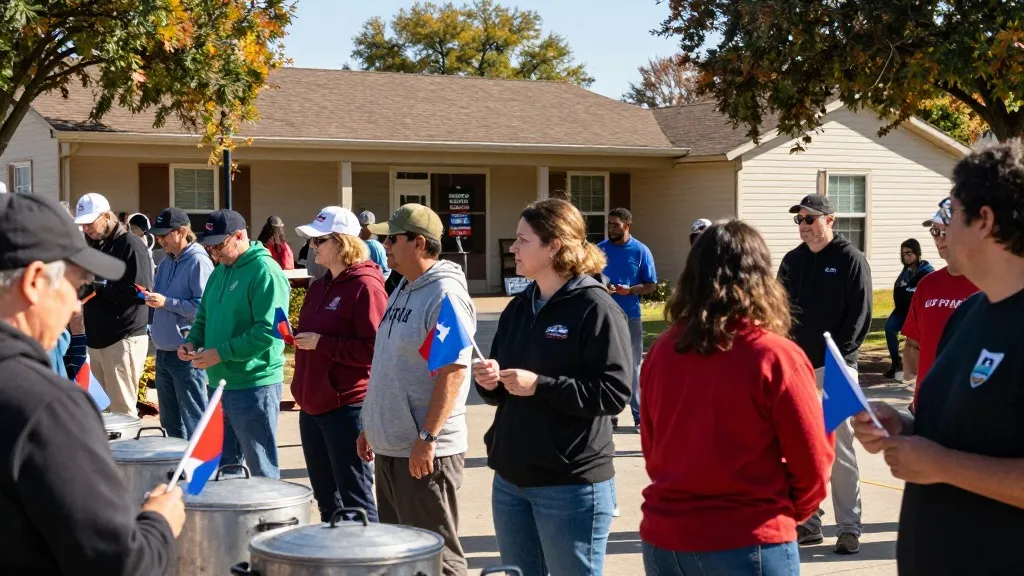
The group’s formation followed a yearlong process of dialogue among diverse members of Israeli society. Participants include family members of the fallen, captivity survivors, and those wounded in the Israel-Gaza War. The name Hamechane translates to "the denominator," reflecting the organization's focus on finding common ground. Members represent various political affiliations and backgrounds, including religious and secular Jews, haredim, Druze, and citizens from both the Right and Left.
Hoda Daxa, whose husband Col. Ehsan Daxa was killed in northern Gaza in October 2024, emphasized that unity must extend beyond the Jewish majority. She noted that belonging is often tested in daily life, such as when speaking Arabic in public spaces. Daxa stated that the group operates on the premise that members are willing to listen rather than assume one side is correct. "We come with an open heart," she said.
Shai Zohar, uncle of Capt. Omer Neutra who was killed on October 7, described internal polarization as the country's greatest existential threat. He argued that pre-existing divisions contributed to the events of that day. Zohar noted that his understanding of the 2018 Nation-State Law deepened after hearing Daxa, who is Druze, speak about its impact on her community. "It went over my head," Zohar admitted regarding the law's implications for non-Jewish citizens.
The 2018 law reserves national self-determination for the Jewish people and defines Hebrew as the state language, while granting Arabic special status. The High Court upheld the legislation in 2021, finding it compatible with existing equality protections. In November 2023, Druze spiritual leader Sheikh Muwaffaq Tarif called for constitutional recognition of the community's rights, a move the then-coalition promised to address with separate legislation.
Shapiro pointed to the wildflower protection campaigns of the 1960s as a historical model for the new framework. That initiative combined legal protections with public education, embedding the cause into the national consciousness over generations. He wants a similar lasting impact for social respect, even in the face of deep disagreement. The group has not defined the specific structure of the body it seeks to create, leaving that decision to elected officials and professionals.
The initiative plans to promote personal connections through schools, workplaces, and local communities. Shapiro advocates for curricula that teach children about different communities and how to handle disagreement. The group also calls for measures to counter online activity that inflames hatred. Shapiro stressed that the goal is not to force uniformity but to ensure that mutual obligations persist despite differing views.
Source: The Jerusalem Post