81.5 Million Set to Drive for Thanksgiving as Gas Prices Drop in Connecticut
AAA projects nearly 90 percent of holiday travelers will drive, with Connecticut gas prices at $3.91 per gallon, down from $4.02 last week.
By Yuki Melnyk ·
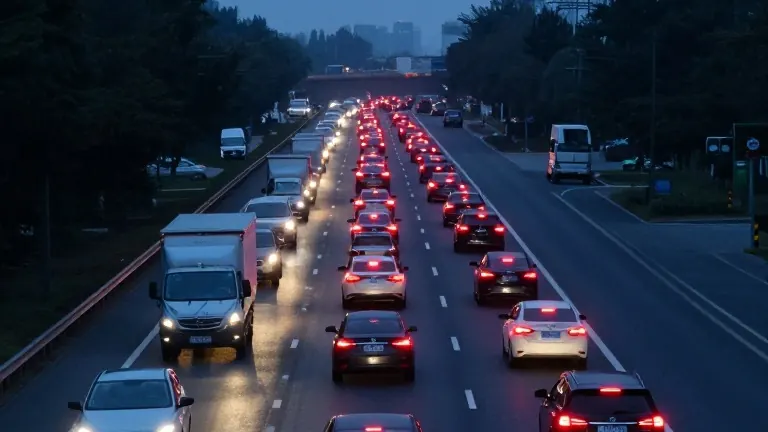
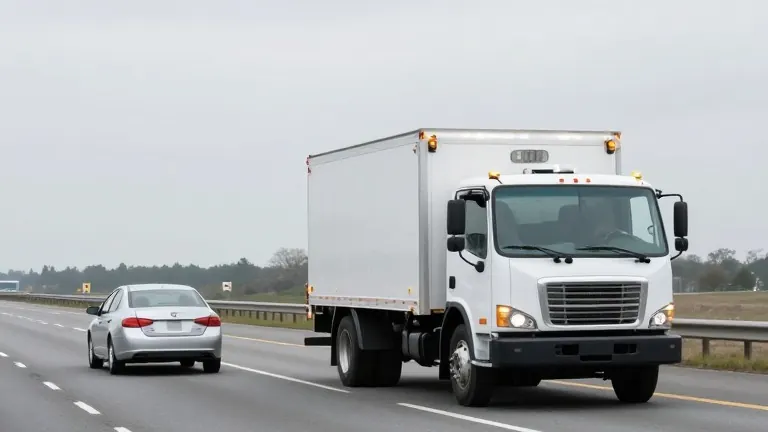
AAA projects that 81.5 million Americans will travel at least 50 miles from home between Tuesday, Nov. 24, and Monday, Nov. 30. Approximately 72.9 million of those individuals are expected to drive, representing nearly 90 percent of all Thanksgiving travelers. This volume of traffic is expected to strain major highways across the United States during the holiday period.
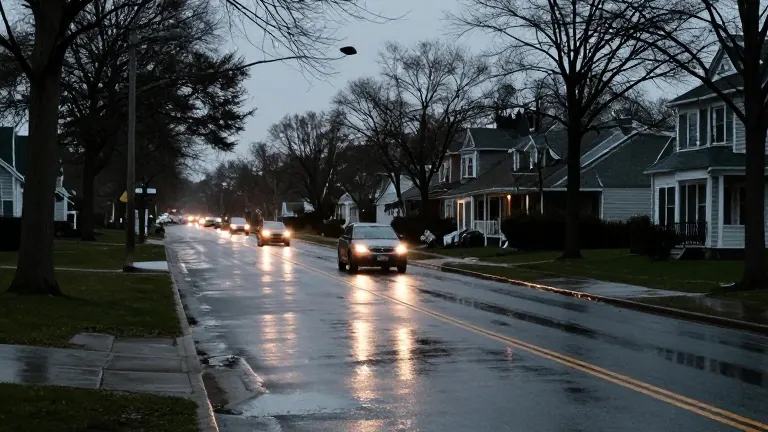
The decision to drive is often driven by fuel costs. In Connecticut, the average price for a gallon of regular gasoline was $3.91 on Sunday, Nov. 22. That figure is down from $4.02 a week prior and $4.33 a month ago. However, the current price remains higher than the $3.10 per gallon average recorded at this time last year.
Drivers are adjusting their routes and timing based on these fluctuations. Tim Storey and his wife departed Atlanta to visit relatives in Massachusetts. Storey noted that gas prices in their current location were significantly cheaper than in Atlanta, making the drive more affordable. He stated, “They are cheaper here than they are in Atlanta. Significantly.”
Eric Guergin, driving a pickup truck from Rhode Island to Upper Darby, Pa., cited recent price drops as a key factor in his travel plans. He estimated the savings at about a dollar per fill-up. “The price just came down about a dollar for my truck. So it’s it’s feasible,” Guergin said. His primary concern is traffic, specifically avoiding a route through New York City.
Benjamin Palazzi, traveling from Boston to Nashville, provided a detailed cost estimate for his 16-hour drive. He calculated the fuel cost at $133 each way, or $266 round trip. He added an estimated $40 to $50 for tolls, bringing his total expected expense to roughly $300 to $316 for the full journey.
INRIX, a transportation data provider, predicts that Tuesday and Wednesday will be the busiest days for outbound travel. Sunday and Monday are expected to see the heaviest return traffic. AAA and INRIX advise drivers to depart in the morning to avoid peak afternoon and evening congestion. Major metropolitan areas, including New York City, Boston, Washington, D.C., and Los Angeles, may experience more than double their normal traffic levels during peak periods.
The total number of travelers is projected to be slightly lower than last year, though AAA notes the difference will be hard to detect on the road. Gas prices are updated daily, so current figures may change throughout the week. Drivers are encouraged to check local price trackers and plan their routes to minimize costs and congestion.