Massachusetts Expands Move-Over Law to Include Utility Crews and Stranded Cars
A bipartisan bill now heads to the governor after the Senate approved a compromise that raises fines and restores protections for disabled vehicles.
By Justin Barnes ·
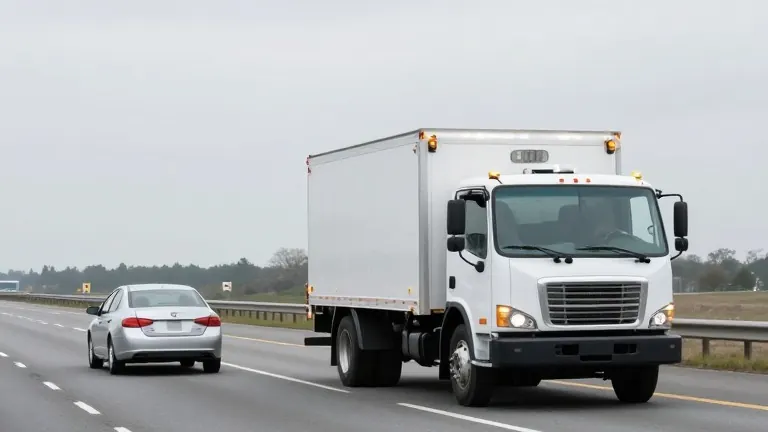
Massachusetts drivers facing utility trucks or broken-down cars on the shoulder would face stricter legal requirements under a bill that cleared the final legislative hurdle on Thursday. The legislation expands the state's existing move-over law to cover workers and vehicles that were previously excluded, creating a unified standard for roadside safety.
The current law mandates slowing down and changing lanes only when passing emergency vehicles, highway maintenance trucks, and town trucks. The new bill adds utility crews working roadside and disabled vehicles with flashing lights or hazard signals. This expansion restores coverage for stranded motorists, a provision the House had dropped in its earlier version.
The Senate agreed to House changes on Thursday and sent a new compromise version back to the House. This version applies the rule to utility workers whenever they are on the road, not just during emergencies as the House originally proposed. The bill passed both chambers unanimously earlier in the session.
Senate Transportation Committee Chair Brendan Crighton said stakeholders agreed that drivers should slow down when vehicles are stopped on the side. He noted that the inclusion of disabled vehicles protects vulnerable individuals from serious accidents and deaths that occur annually in the state.
Penalties under the compromise bill take the middle ground between the chambers' initial proposals. Fines would increase from a current maximum of $100 to $200 for a first offense, $400 for a second, and $1,000 for subsequent violations. The House's proposal for up to a year in jail for violations causing injury was removed. Instead, a second or later violation resulting in injury would carry a $2,500 fine.
The bill now has a clear path to the governor's desk for signature.