Army files appeal to blast Iowa chemicals
Military officials argue that dropping temperatures increase the risk of an uncontrolled explosion of unstable lead azide in Middletown.
By Justin Barnes ·
The U.S. Army filed documents with the 8th U.S. Circuit Court of Appeals on Saturday evening seeking to move forward with the detonation of unstable chemicals in central Iowa. Military lawyers argued that the cold weather arriving in the region makes the material increasingly dangerous.
The court had paused the operation on Thursday after environmental groups challenged the permit. The Army had originally scheduled the blast for Friday but shifted the date to Monday after residents voiced concerns about health and environmental impacts. The filing requests that the court allow the work to proceed despite the pause.
Officials state that the chemicals pose a growing risk of an uncontrolled explosion as temperatures fall below 30 degrees Fahrenheit. They cited the instability of the material, which is expected to degrade further in the cold. Government lawyers wrote that swift action is necessary to protect personnel and nearby communities.
Environmental advocates criticized the legal move as an attempt to bypass the judicial process. The Iowa Environmental Council, Sierra Club, and Earthjustice questioned whether the Army considered all safe alternatives. Thien Chau, an attorney for Earthjustice, said the Army prioritized finding a way around the court over meeting public demands for transparency.
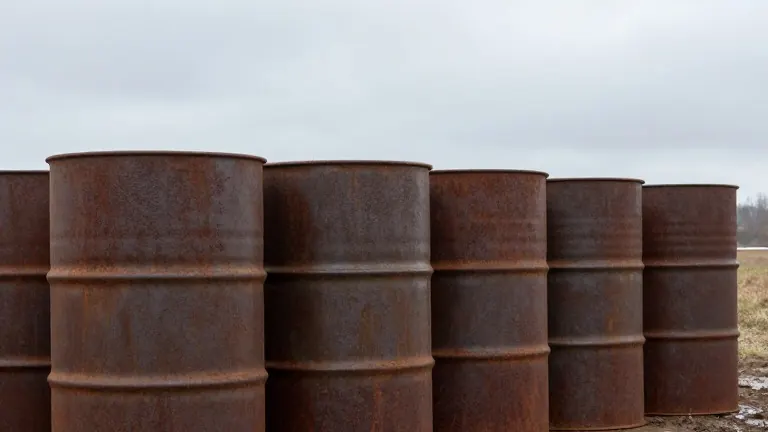
The incident began in March when staff at the Iowa Army Ammunition Plant found barrels of degraded lead azide. The material crystallized, creating a hazardous condition that required a specialized response. EPA documents note that neutralizing the contents with other chemicals was considered but rejected due to the high risk of a fatal accidental detonation during handling.
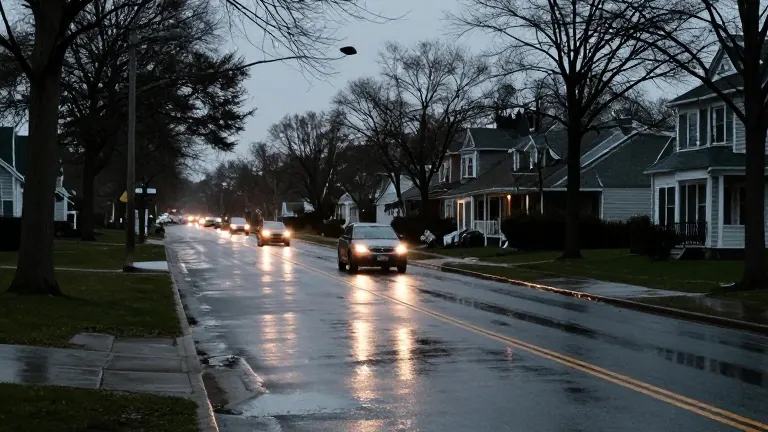
The detonation is planned in Middletown, a town of nearly 400 people located 160 miles southeast of Des Moines. While the vibrations from the blasts are expected to be brief, they may break windows in older homes. Officials advised some residents to leave the area and for others to stay indoors with windows and doors closed.
Residents in the region were told to bring pets and livestock inside and to clean outdoor surfaces after the event. An advisory warned that the detonation will release an air plume containing lead particles. The document noted that lead is toxic to both humans and animals.