AI Transcription: Recording family stories on a phone
Spencer Luo explains how to use built-in phone tools to capture oral histories and process them with chatbots.
By Justin Barnes ·
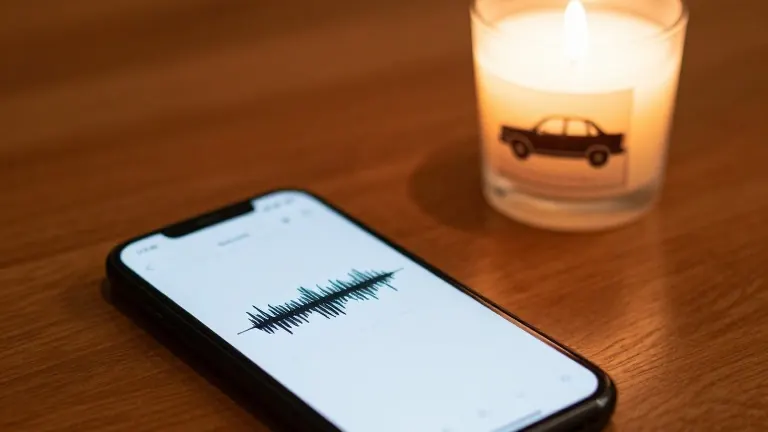
Ten minutes of audio is all it takes to capture a family story, according to Spencer Luo, a Great Neck resident and tech lead at Google. Luo argues that while recording a conversation is easy, typing up the transcript is often where the process stalls. He suggests handing that typing job to artificial intelligence.
Many smartphones now have the tools to handle the first step. On an iPhone 12 or later with current software, users can open a recording in Voice Memos and select View Transcript from the three-dot menu. Owners of a Google Pixel 3 or later can find a Transcript option in the Recorder app. Some Samsung Galaxy models offer a Transcribe feature in their Voice Recorder, though availability depends on the specific model, software version, and language.
Luo advises starting with a short, quiet recording, perhaps over coffee, and asking permission before pressing record. He recommends checking whether the recording app uploads audio or text through automatic backup. Bringing an old photograph to the conversation can help prompt specific memories. A question about a person standing next to a car in an old photo yields more detail than a broad request to talk about life.
During the recording, the listener should leave the phone alone and focus on the speaker. If the story wanders from moving day to a neighbor, Luo says to follow the thread. Afterward, the user should play the recording while reviewing the transcript to fix errors, check names and places, and note unclear words.
Before feeding the text into a chatbot, the speaker must give permission. Luo notes that private details about other people should be left out. If the story is meant to stay within the family, it should not be processed by a chatbot. For passages the speaker is happy to share, users can paste the text into ChatGPT, Gemini, or another tool.
Luo provides a specific prompt for this task. He suggests asking the AI to list the stories in the transcript in order, with one sentence for each. The prompt instructs the AI to keep uncertain dates and names uncertain and to flag anything unclear. It also tells the AI to use the speaker's exact words when quoting.
This step prevents AI from smoothing out uncertainty. If a father says he bought a house in 1978 or 1979, a summary might incorrectly state 1978. Reading the summary against the transcript ensures the uncertainty remains. Luo also suggests asking the AI what questions to ask next time based on the conversation. If a neighbor who lent a truck is mentioned, that becomes a topic for the next call.
Users should save the original recording and the checked transcript together. Naming the files with the speaker and date, such as "Dad, moving to Massapequa, November 2026," makes them easier to find than generic names. Luo, who teaches AI courses at Columbia University, says the views in his piece are his own. He suggests letting the speaker read the final pages before sharing them to preserve their voice.