Breaking: Warm October and Massive Outages Push PJM Grid to Historic Stress Limit
Unseasonable heat combined with 70,000 megawatts of planned maintenance triggered the first ever Capacity Advisory for the region.
By Yuki Melnyk ·
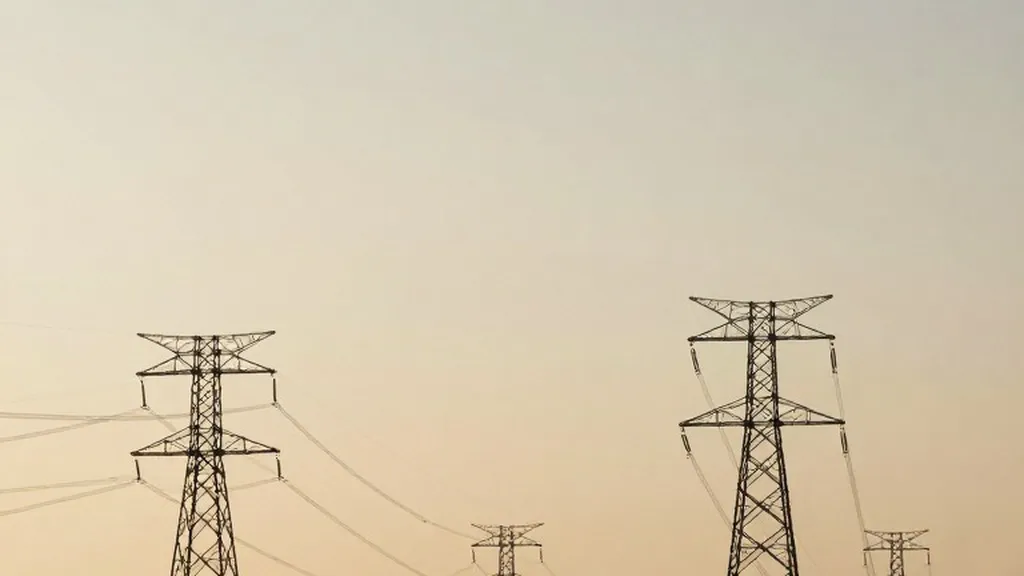
The U.S. Department of Energy declared a power grid emergency on October 12, 2026, granting PJM Interconnection temporary authority to stabilize the regional grid through October 16. Energy Secretary Chris Wright issued the order under section 202(c) of the Federal Power Act to cover 13 states and the District of Columbia. The primary driver of this emergency was a collision between unusually warm October weather and a massive volume of planned maintenance outages. Generator and transmission owners took approximately 70,000 megawatts of equipment offline for upgrades during the shoulder season, a period when most scheduled outages are permitted because the summer peak had ended in mid-September.
PJM Interconnection issued its first ever Capacity Advisory on October 9, 2026, for the upcoming weekend. This procedure was endorsed by PJM members in June 2026 for situations where projected conditions indicate an approaching capacity shortfall. The load forecast for that period was approximately 102,000 megawatts on Monday and 104,000 megawatts on Tuesday. Paul Dajewski, PJM’s senior manager for dispatch, noted that this volume of outages is typical for the shoulder season but created significant strain when paired with the warm temperatures.
On Monday, October 12, PJM escalated its response by issuing a Maximum Generation Alert and a Load Management Alert for the following day. The utility extended the Capacity Advisory through October 14 and issued a Maintenance Outage Recall for that same date. This action followed a forecast that demand would reach approximately 111,500 megawatts or higher. The Maximum Generation Alert signaled to transmission and generation owners that conditions were tight, allowing them to defer or cancel equipment maintenance. It also informed neighboring grid operators that electricity exports from PJM might be curtailed.
The strain was exacerbated by scheduled transmission line outages that limited how much electricity could move between zones. Generation became bottled up in specific areas due to these transmission limits. This was particularly noticeable in resources serving congested zones in Washington D.C., Maryland, and Virginia, specifically the BGE, Pepco, and Dominion zones. PJM called on Demand Response programs on October 13, which pay customers who sign up in advance to cut electricity use when the grid is stressed. Federal officials and PJM stated that no action was required from households and that daily electricity use stayed normal.
The Department of Energy order allowed PJM to direct designated generation units to produce electricity and to use backup power reserves in limited circumstances. The agency specifically wanted to deploy auxiliary, standby, directly connected, and battery storage resources at data centers, including hyperscaler facilities, as well as at other large industrial and commercial customer sites. This new demand profile is changing the grid’s dynamics. PJM states that the shoulder-season reprieve is no longer reliable because most new demand comes from data centers and other energy-intensive large-load customers.
These large consumers do not reduce their usage based on weather patterns. Their consumption is a 12-month, 24/7 phenomenon that is outpacing the addition of new transmission and electricity supply. Unseasonably hot weather now arrives outside traditional peak seasons, creating a new reality for grid operators. PJM had previously used Department of Energy emergency orders during two unseasonably warm periods in September, from August 31 to September 4 and September 15 to 18. In those instances, PJM had to cover net load as solar output fell faster than electricity use after sunset.
PJM coordinates wholesale electricity for about 67 million people across Delaware, Illinois, Indiana, Kentucky, Maryland, Michigan, New Jersey, North Carolina, Ohio, Pennsylvania, Tennessee, Virginia, West Virginia, and the District of Columbia. The emergency was intended to prevent interruptions, and no blackouts or mandatory conservation orders were issued. The region is now entering a tighter operational environment as demand growth continues.
According to PJM’s Winter Outlook released on November 5, 2026, the utility expects sufficient resources to meet demand this winter under expected conditions. However, reserve margins continue to tighten. PJM expects 182,426 megawatts of operational capacity to serve a forecast winter peak of approximately 147,500 megawatts, plus about 3,200 megawatts of average exports. Michael Bryson, PJM’s senior vice president of operations, said the goal is to coordinate operations with generation and transmission owners to proactively manage the system to perform at high levels when consumers need energy the most.