Democrats Take Full Control of Congress, Flip Texas and Five Governorships
Voters rejected the president's party in a sweeping midterm defeat that delivers Democrats a 233-138 House majority and a Senate lead, with key wins in Texas, Ohio, and Iowa.
By Elena Greco ·
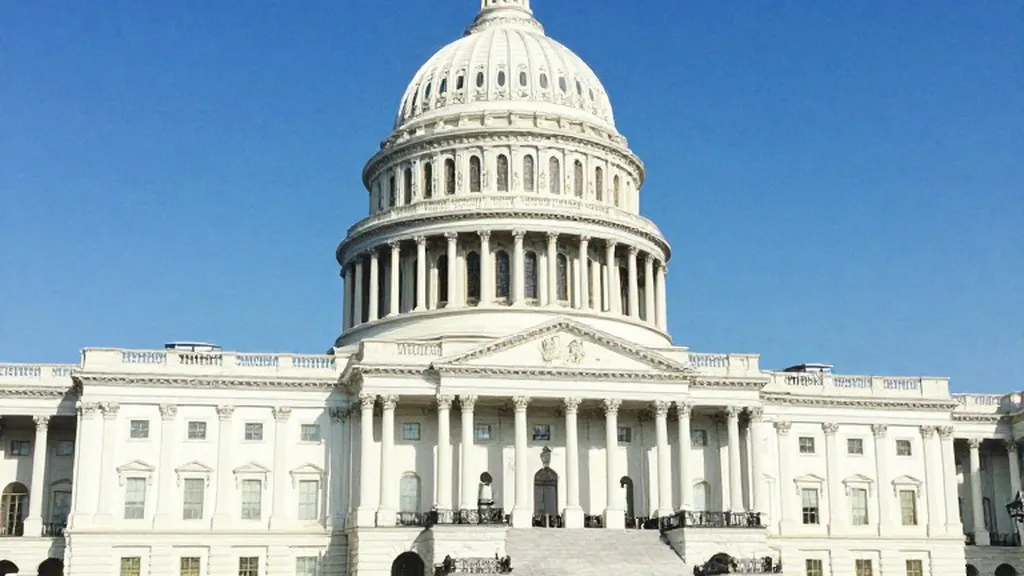
Washington, D.C. (AP) - Democrats have secured control of both chambers of Congress in a decisive midterm victory that marks a fundamental shift in the balance of power in Washington. The party gained a net 30 seats in the House of Representatives, winning 233 of the 435 districts on the ballot, while also taking the majority in the U.S. Senate with 20 seats against the Republican 13, according to Ballotpedia data. This outcome ends two years of unified Republican control and sets the stage for a divided government where Congress is poised to reassert itself as a coequal branch capable of challenging the executive.
The scope of the Democratic wave was historic, with the party flipping Republican-held seats in states that had long been solidly in the GOP column. In Texas, Democrats elected Gina Hinojosa as governor, making her the first Democratic governor in the state since 1994, and took control of the state House of Representatives for the first time since 2002. Republicans retained control of the Texas Senate, but the loss of the lower chamber and the governorship signals a major realignment in the South. Democrats also gained governorships in Georgia, Iowa, and Ohio, breaking decades of Republican dominance in those regions.
House Democratic Leader Hakeem Jeffries of New York, who is expected to become the first Black speaker of the House, addressed the results by pledging to deliver on the dramatic change voters demanded. He emphasized that the new majority is ready to work hard to address the concerns that drove the electorate to the polls. The party is preparing a 100-day agenda that focuses on lowering the costs of gas, groceries, and other essential goods. This plan includes bills to reverse cuts to the Affordable Care Act and Medicaid healthcare programs, directly responding to the financial hardship cited by a majority of voters in recent polling.
The election results were heavily influenced by voter dissatisfaction with the economy and the ongoing war in Iran. The AP Voter Poll indicated that about three-quarters of voters felt angry or dissatisfied with the country's trajectory, with three-quarters describing the economy as poor or not so good. Rising fuel prices and inflation were central themes in the campaign, with many voters feeling that the president's focus on other priorities, such as the construction of a White House ballroom, distracted from the kitchen-table issues that affect their daily lives. The war in Iran, which sent fuel prices soaring, was a significant factor in the Democratic surge, as highlighted by British Prime Minister Andy Burnham who expressed hope that the new Congress would focus on ending the conflict.
Republican efforts to use redistricting as a strategic advantage ultimately fell short. President Donald Trump had urged eight Republican-led states to redraw congressional maps to secure a House majority, but the plan was systematically dismantled by voters. In Texas, Democrats won the redrawn districts in the Rio Grande Valley, defeating incumbent Republican Monica De La Cruz while incumbents Henry Cuellar and Vicente Gonzalez retained their seats. In Florida, Democratic Rep. Jared Moskowitz won reelection in a redrawn district despite a $26 million spending effort by Republicans. Former Attorney General Eric Holder, chair of the National Democratic Redistricting Committee, stated that voters chose to elect a new Democratic majority when given the opportunity.
The Senate race saw Democrats win control by flipping seven seats, including victories in South Carolina, Kansas, Maine, North Carolina, Ohio, and Iowa. These wins were particularly significant as they occurred in states that had not elected a Democratic senator in decades. The loss of the Senate majority also ends an era of rapid judicial appointments for the Republican party, which had used its previous supermajority to reshape the federal courts with conservative judges. The new Democratic majority will now have the power to confirm nominees and shape the judiciary in a different direction, potentially reversing some of the changes made during the previous administration.
State-level races also reflected the national trend, with Democrats gaining full control of both legislative chambers and the governor's office in at least five states where they previously shared power. In Wisconsin, Democrats broke a 16-year Republican majority in the state legislature and retained the governor's office. Similar trifectas were established in Michigan, Minnesota, and Pennsylvania. These state-level victories give Democrats the ability to influence policy on a wide array of issues, including tax rates, education funding, and the regulation of data center development and artificial intelligence. The pressure is now on these state governments to deliver on promises to make life more affordable for their constituents.
President Trump responded to the defeat with a mix of conciliation and deflection. On Wednesday, he gave extended comments justifying the construction of the White House ballroom, mentioning the project for nearly 20 minutes without referencing the sweeping Republican losses. He insisted that if he had been on the ballot, he would have won, and blamed the results on the candidates rather than his own leadership. The AP Voter Poll found that about 6 in 10 voters disapproved of how Trump was handling the presidency, and in losing states like Ohio and Iowa, majorities said the Republican Senate candidates were too supportive of the unpopular president. The president has now pledged to work with Democrats while warning of gridlock and threatening to use his veto power to strike down their agenda.