Trump's $5,000 Dividend Promise Collides With New Democratic Congress
With Democrats now controlling both chambers, the path to the cash payout promised in Dallas faces significant legislative and fiscal hurdles.
By Justin Barnes ·
President Donald Trump promised a $5,000 payment to every adult American citizen if the Republican Party retained control of both the House and Senate, a pledge that has now become a central point of contention following the party's sweeping losses in the 2026 midterm elections. The promise, branded the Trump Dividend, was delivered during the Republican Midterm Convention in Dallas, where the president argued that the nation's economic success justified the distribution of cash to voters. With Democrats now holding majorities in both chambers, the question of whether this payment will materialize has shifted from a campaign slogan to a legislative challenge.
The announcement came during a nearly two-hour speech in which Trump told the crowd, 'If the Republicans win the House of Representatives and the United States Senate, both of them... I will issue a dividend to every adult citizen in the United States of America for $5,000.' He cited 'tremendous economic success' as the primary rationale, comparing the move to successful companies distributing cash to shareholders. At the time, Vice President JD Vance suggested that some of the funding would come from tariff revenue, though the administration had not released a formal plan for implementation.
The cost of the proposal is substantial. The U.S. Census Bureau estimates there are approximately 245 million adult U.S. citizens, meaning the payout would cost roughly $1.2 trillion. PolitiFact has noted that the biggest payment is far from certain, highlighting that the White House provided no details on how Americans would actually receive the funds. The organization also pointed out that while Trump cited tariff revenues as a potential source, lawmakers did not include a separate tariff dividend in the One Big Beautiful Bill Act, the tax and spending legislation that became law in 2025.
Speaker Mike Johnson, who led the House Republicans until this week, stated on Sunday that the proposal requires congressional approval. 'I would assume, yes, he'd need Congress to act, and that's a creative idea,' Johnson said. He pledged to work to get the proposal through despite the party's slim majority at the time, noting that he was committed to implementing the president's 'big ideas.' However, Johnson has since announced he will not seek reelection as House Republican leader, leaving the incoming Democratic leadership to determine the fate of the bill.
Bipartisan criticism of the plan has been vocal. Texas Congressman Chip Roy, a Republican, wrote on social media that 'Dependency is evil and soul-sucking in all its forms.' Election law expert Rick Hasen from the UCLA School of Law noted that while the promise is likely protected by the First Amendment as campaign rhetoric, the president does not have the unilateral power to issue such checks without legislative action. Hasen compared it to other common campaign promises, such as tax cuts or new social programs, which also require legislative backing.
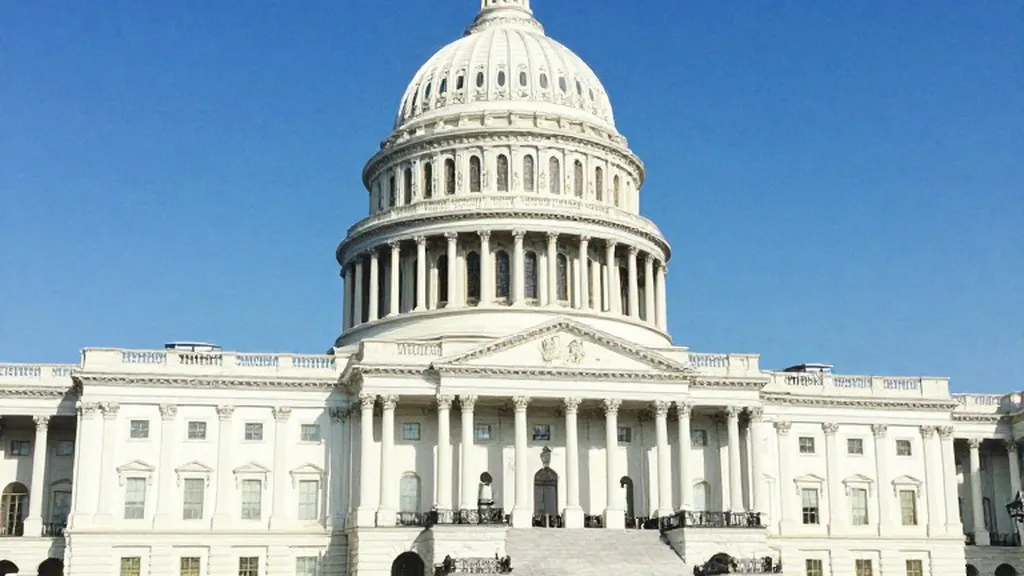
Democrats, who now command the House and Senate, have indicated they will focus on a 100-day agenda that includes lowering the cost of gas, groceries, and other goods. House Democratic Leader Hakeem Jeffries, who is expected to become the first Black Speaker of the House, has vowed to deliver on the 'dramatic change' voters demanded. The new Democratic majority will have the power to introduce, amend, or block the legislation necessary to fund the Trump Dividend, making their stance critical to the promise's survival.
The economic context for the payment remains tense. The country is currently facing a nearly $1.8 trillion annual budget deficit. Kenneth Rogoff, a former chief economist at the IMF and a Harvard University economics professor, warned in an email that the U.S. is already running an unsustainable deficit and that a $1.2 trillion payout would increase the odds of a debt crisis in the coming years. Erica York, a senior economist at the Tax Foundation, wrote that the cost of the checks would spend almost all the revenue that new tariffs are projected to bring in over a decade.
PolitiFact's analysis emphasizes that the administration has announced no formal plan for the checks. While Senator Bernie Moreno of Ohio said he would introduce legislation to fund the proposal immediately after the election, political analysts noted that such legislation would likely need a 60-vote supermajority in the Senate to pass, a threshold that is difficult to reach in a divided government. The fact that the promise was conditioned on Republicans keeping Congress has led some observers to view it as an attempt to buy votes, a strategy that has now been tested by the election results.
The president has defended the plan by pointing to the government's revenue, stating on Fox News that the U.S. is 'taking in $21 trillion.' He added, 'We've never done better.' However, the AP Voter Poll found that about 6 in 10 voters disapprove of how Trump is handling the presidency, with many citing economic concerns as their primary motivation for voting against his party. The new Democratic Congress is poised to scrutinize the budget and the administration's spending priorities, potentially delaying or modifying the dividend.
House Speaker Mike Johnson's departure from leadership adds another layer of complexity. He is not seeking reelection as House minority leader, meaning the new Republican leadership will have to negotiate with the Democratic majority on the specifics of the bill. The incoming Congress is expected to begin its session in January 2027, at which point the legal and fiscal mechanisms for the Trump Dividend will need to be formally established. Until then, the $5,000 payment remains a promise rather than a policy, subject to the will of the new Democratic leadership in Washington.