Estonia calls Baltic Sea drone attack a side effect of Ukraine's war
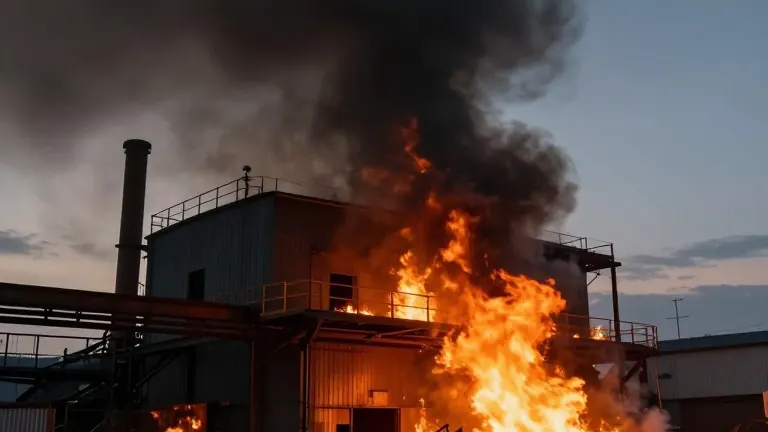
Estonian officials stated that the recent drone strike on a Russian vessel in the Gulf of Finland is a consequence of Russia's war of aggression, while confirming that Estonia had not granted permission for the use of its airspace or waters.
By Yuki Melnyk ·
Estonian Foreign Minister Margus Tsahkna described the recent attack on a Russian dry cargo vessel in the Gulf of Finland as a secondary outcome of Ukraine's self-defence efforts in the ongoing conflict. Speaking to the Estonian public broadcaster ERR, Tsahkna clarified that Estonia had not authorized any foreign nation to utilize its airspace or territorial waters for military operations. He emphasized that the incident does not represent a direct military threat to Estonia and has not raised the overall level of perceived military danger from Russia.
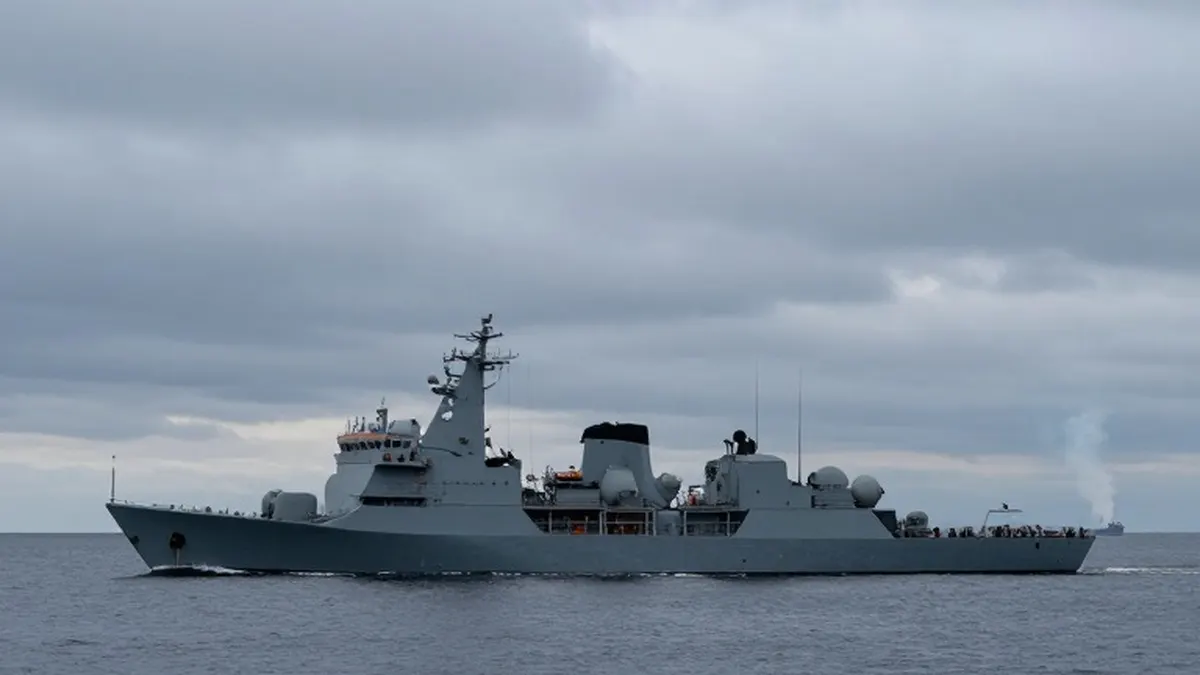
The Foreign Minister noted that Estonia is maintaining close communication with its Finnish counterparts and other allies to manage the situation. At the specific request of Finland, Estonia deployed the Navy vessel Kindral Kurvits to support rescue operations in the area. These efforts include firefighting measures and responses to potential pollution in the waterway. Tsahkna also confirmed that he had held discussions with Finnish Foreign Minister Elina Valtonen regarding the developing events.
Tsahkna stated that the country is coordinating every step with its northern neighbours and acting with decisiveness. He observed that Russia's war of aggression against Ukraine is being felt with increasing proximity to Europe. According to the minister, the incident in the Gulf of Finland serves as another example of the broader consequences of Russia's war and Ukraine's right to defend itself.
In parallel, Estonian Prime Minister Kristen Michal addressed the situation on social media. He reported having discussed the events in the Gulf of Finland with Finnish Prime Minister Petteri Orpo. Michal stressed the importance of reiterating the facts clearly in the current context. He confirmed that Estonia had not given permission for its airspace or maritime areas to be used for attacks against Russia.
The Prime Minister characterized these events as a direct consequence of Russia's war of aggression against Ukraine. He affirmed that Ukraine holds every right to defend itself against the aggressor. Michal added that his Finnish counterpart, Prime Minister Orpo, also emphasized this right of self-defence during their discussions.
Background information indicates that Ilja Iljin, the Commander of the Finnish Border Guard, identified the Russian vessel as having been struck by Ukrainian drones. On November 21, the Finnish Defence Forces detected a drone attack targeting a Russian merchant vessel. The location was west of Suursaari in the eastern part of the Gulf of Finland, which is situated in international waters.
A Ukrainian expert provided further context on the specific vessel involved. The drone reportedly struck the Sparta II, a ship that Russia uses for military operations. This includes the transportation of weapons from Syria, which were potentially intended for use in the war against Ukraine. The incident highlights the expanding reach of the conflict into the Baltic region.
The reactions from Tallinn and Helsinki underline a shared diplomatic stance. Both nations seek to balance support for Ukraine's defensive actions with the reassurance that the immediate military threat to their own territories remains manageable. The deployment of naval assets for rescue and pollution control demonstrates a practical approach to handling the aftermath of the strike.
The event has drawn attention to the strategic importance of the Gulf of Finland as a corridor for both military and commercial activity. The use of drones in this area marks a notable development in the conflict dynamics. Officials from both countries continue to monitor the situation closely to ensure stability in the region.
As the investigation into the incident proceeds, the focus remains on the operational details of the attack and its broader implications for regional security. The statements from Estonian and Finnish leaders aim to provide clarity to the public and international partners. The coordination between the two countries is expected to continue as they manage the immediate and long-term effects of the event.