Gulf Expansion: London Dining Brands Seek Lower Tax Rates
Prominent London restaurant groups are moving capital to the Middle East to avoid high UK tax burdens, despite ongoing geopolitical risks and labor rights concerns.
By Ken Adams ·
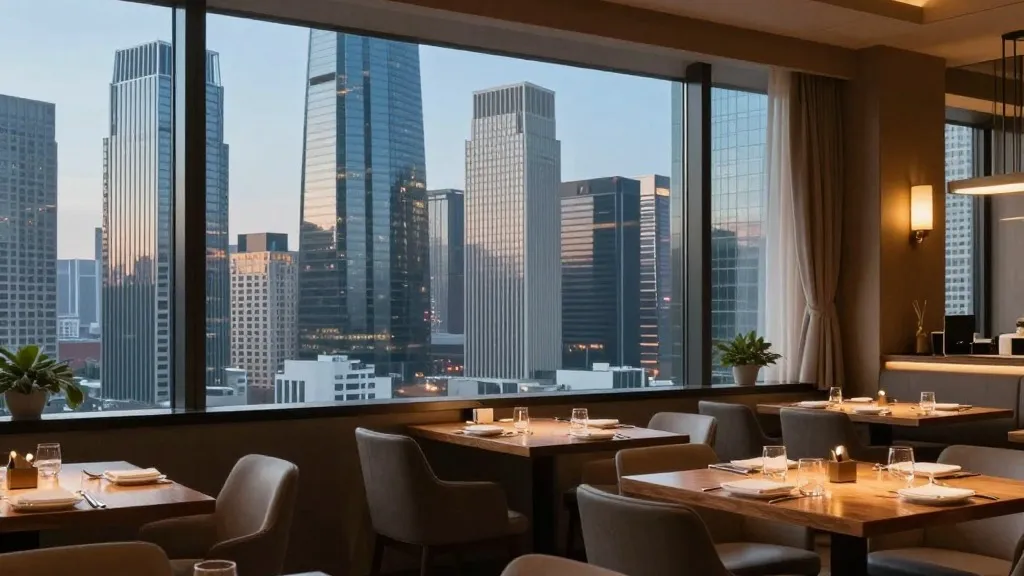
For patrons dining in the capital, the familiar menus of several high-end establishments may soon be served across the water. A wave of London’s most recognized dining brands is establishing operations in the Gulf region. This shift is driven by a combination of domestic fiscal pressures and a perceived operational edge in foreign markets.
James Robson, co-owner of Fallow, a popular spot in St James’s Market serving one thousand customers daily, recently signed a deal for a new location in the region. His decision follows moves by other major players. Scott’s of Mayfair, the two Michelin-starred Gymkhana, and Park Chinois have all opened in Dubai. Additionally, the bakery Bread Ahead and the political hub Isabel’s have expanded into Abu Dhabi. These openings proceed despite the recent conflict between the US, Israel, and Iran, which earlier this year caused an exodus of expats and temporary closures, such as at Dinner by Heston.
The primary financial motivator is the tax environment. Robson describes the situation as a tax tsunami. He contrasts the UK’s 20 percent hospitality VAT with the European average of roughly 12 percent and Italy’s 10 percent rate. While chefs urge the government to lower the rate in next week’s budget, Robson notes that the country has accumulated multiple anti-growth taxes over the last two budgets. He also highlights the 25 percent corporation tax and dividend taxes of 40 percent or more.
Market strategy is shifting toward regions that offer better returns on investment. Robson identifies East Asia, the United States, and the Gulf as key growth targets. He notes that America champions business, the Gulf actively assists companies, and East Asia offers a work ethic and tax system that outpaces the UK. Jason Atherton, a Michelin-starred chef, now spends a third of his time at his Dubai restaurant, finding it easier to make a profit there than in London. Robson argues that UK growth no longer offers a sensible balance of risk and reward, leading him to focus overseas while maintaining a safe base at home.
However, the expansion is not without scrutiny regarding labor standards. Felix Jakens, director of campaigns at Amnesty International UK, urges caution. He points out the UAE’s poor record on workers' rights and the sponsorship system that ties migrant workers to their employers, denying them the right to form trade unions. Jakens argues that heavy spending on the UK image, such as through Manchester City, should not distract from how workers are treated.
The campaigner suggests that any UK business expanding into the Gulf must conduct proper human rights due diligence. This ensures kitchen staff are treated fairly, paid properly, and can raise concerns without fear of losing their job or visa. As these brands seek new revenue streams, the balance between market growth and ethical responsibility remains a central question for investors and consumers alike.
Source: The Guardian