Tesla Claims 1.74 Million FSD Users, But Most May Not Be Paying Monthly
Tesla reports a significant jump in Full Self-Driving users, though the count includes one-time buyers who paid years ago rather than just current monthly subscribers.
By Ama Boateng ·
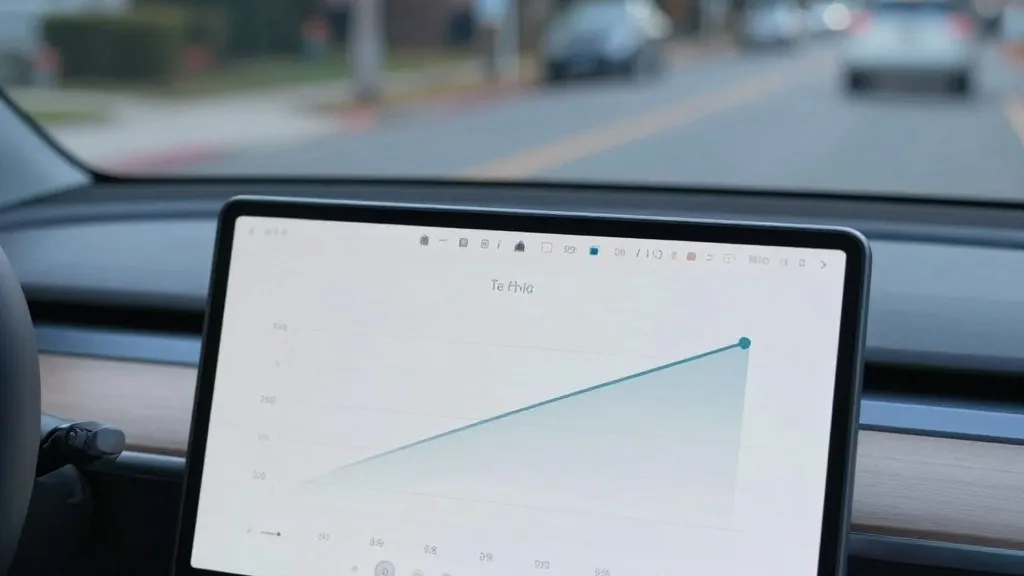
Tesla has reported that it now has 1.74 million active Full Self-Driving subscriptions, a figure that represents a 67% increase from this time last year. This metric is central to the company's current narrative regarding its software growth and investor relations.
The key to understanding this number lies in a footnote within Tesla’s Q3 2026 shareholder letter. The company explains that it calculates this total in accordance with the 2025 CEO Performance Award. Under this specific definition, the count includes both customers who pay a monthly fee and those who purchased the software upfront. Consequently, owners who bought the package years ago at prices reaching up to $15,000 are still tallied as active subscribers, provided their vehicles are still in use. The only category excluded from this total is free trials.
This counting method is significant because hitting 10 million active FSD subscriptions is a specific milestone required for Elon Musk to earn parts of his 2025 compensation package. The issue is complicated by the fact that many of these counted individuals were sold on the promise of unsupervised self-driving, a capability Tesla has not yet fully delivered. Since February 14, 2026, Tesla has stopped selling FSD as a one-time purchase in the US, charging new customers $99 per month. However, the company has not disclosed how many of the 1.74 million current users are actually paying that monthly fee versus those who bought the software outright in the past.
The same accounting approach appears in Tesla’s cumulative delivery numbers, which now stand at 10.2 million. This figure also aligns with the pay package by including unsupervised robotaxis placed into commercial operation. Tesla also claims that over 75% of new deliveries in North America during the third quarter included FSD subscriptions, a jump of nearly twenty percentage points from the previous quarter. The company attributes this demand to the availability of the software, though it does not define whether this attach rate includes introductory offers or how many of those buyers continue paying after the initial period.
Musk’s 2025 award consists of 12 tranches, each requiring both a market cap milestone and an operational goal. These operational goals include delivering 20 million vehicles, achieving 10 million active FSD subscriptions, deploying 1 million Optimus robots, and operating 1 million robotaxis. As of June 30, Tesla considered only the 20 million vehicle delivery target to be probable. While Tesla added 260,000 net FSD subscriptions in the third quarter, its best quarter yet, reaching the 10 million mark at this pace would take approximately eight years. At the average pace of the last 12 months, it could take closer to 12 years. The compensation plan remains active until 2035.
For New England drivers, the distinction matters when evaluating the company's reported momentum. While counting upfront buyers is not inherently incorrect since those cars do have the software, labeling them as subscriptions can obscure the true number of recurring monthly revenue streams. The board wrote this definition, and the CEO’s pay depends on it, yet the company has not provided a breakdown of how many of the 1.74 million are actual $99-per-month subscribers. This lack of clarity leaves investors and consumers to wonder about the long-term retention rates of the newer subscription model compared to the legacy upfront purchases.
Source: Electrek